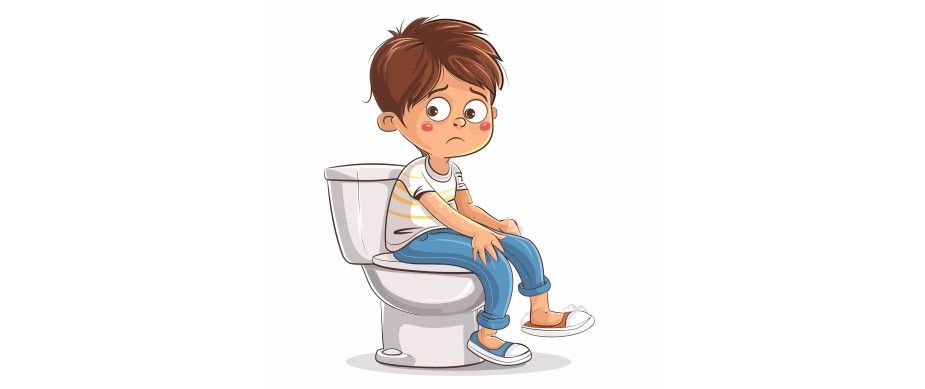
Constipation in Children and the Elderly: Causes and Care Tips
By Dr. Gaurav Patil in Nanavati Max Institute of Gastroenterology & Flexible Endoscopic Surgery
Aug 05 , 2026 | 4 min read

What Is Constipation?
Constipation means having bowel movements less often than usual or passing stools that are hard, dry, and difficult to pass. It can cause discomfort and make a person feel heavy, bloated, or uneasy.
Constipation affects bowel movements because stool moves slowly through the digestive tract. When this happens, the colon absorbs more water from the stool, making it harder and drier. This makes passing stool painful and may lead to straining.
Constipation becomes a concern when it lasts more than two weeks, causes pain, affects appetite, or leads to complications like bleeding, vomiting, or weight loss.
Causes of Constipation
Common Causes of Constipation
- Low fibre intake: Fibre adds bulk to stool and helps it move smoothly. A diet low in fruits, vegetables, and whole grains can lead to constipation.
- Inadequate fluid consumption: When the body is not well hydrated, stool becomes hard and dry.
- Lack of physical activity: Movement supports gut activity. An inactive lifestyle can slow digestion.
Medical and Lifestyle Causes of Constipation
- Certain medications can cause constipation: Some medicines slow bowel movements, especially in older adults.
- Changes in routine and diet: Travel, school schedule changes, stress, hot weather, or sudden diet changes can affect bowel habits. In children, routine changes often trigger constipation.
Read More about the Common Digestive Disorders That Can Affect Anyone
Symptoms of Constipation
General Symptoms of Constipation
- Infrequent bowel movements (often fewer than three times a week)
- Hard or dry stools, sometimes pellet-like
- Straining during bowel movements
- Pain while passing stool
- A feeling of incomplete emptying
Complications Linked to Constipation
- Abdominal discomfort or stomach ache
- Bloating and gas
- Reduced appetite
- Small tears near the anus that may cause blood on the surface of the stool
- In children, stool leakage in underwear can happen when stool gets backed up
Know More about Gastrointestinal Disorders
Constipation in Children
Causes of Constipation in Children
- Toilet training issues: Some children feel pressured during toilet training or fear pain while passing stool, which leads to withholding.
- Dietary habits contributing to constipation: Low-fibre diets, excess processed foods, and insufficient water intake are common causes.
Symptoms of Constipation in Children
- Painful bowel movements: Children may cry, avoid the toilet, or show discomfort while passing stool.
- Stool withholding behaviour: Many children hold stool to keep playing or avoid public toilets. This can make stools harder and worsen constipation.
Care Tips for Constipation in Children
- Fibre-rich foods for children: Offer fruits (apple, pear, prunes), vegetables (peas, broccoli), whole grains (oats), and other fibre-rich foods.
- Encouraging hydration and physical activity: Ensure regular water intake and active play. Encourage a toilet routine, such as sitting on the toilet for 5–10 minutes after meals.
At Nanavati Max Hospital, doctors often guide parents with simple, practical steps for child-friendly constipation care, while also checking for underlying causes when needed.
Constipation in the Elderly
Causes of Constipation in the Elderly
- Reduced gut motility: With age, bowel movements can become slower due to reduced muscle activity in the gut.
- Chronic health conditions: Conditions like diabetes, thyroid disorders, and neurological issues can contribute to constipation. Medications and reduced mobility also play a role.
Symptoms of Constipation in the Elderly
- Persistent discomfort: Ongoing bloating, heaviness, and abdominal discomfort are common.
- Reduced appetite: Constipation can reduce hunger and affect nutrition, which is especially important in older adults.
Care Tips for Constipation in the Elderly
- Diet and hydration adjustments: Increase fibre gradually, include soups and fluids, and keep meals regular.
- Gentle physical activity: Walking, stretching, and light movement can support digestion and bowel regularity, based on the person’s fitness and health condition.
Key Differences Between Constipation in Children and the Elderly
Difference in Causes
Behavioural vs age-related factors:
- In children, constipation often starts due to withholding, diet habits, or toilet routine changes.
- In the elderly, it is more often linked to slower gut motility, chronic conditions, reduced mobility, and medicines.
Difference in Care Approaches
Child-friendly vs age-appropriate care:
- Children need reassurance, routine-building, and food changes that suit their taste.
- Elderly individuals may need careful diet planning, review of medications, and safe activity tailored to their health.
How Constipation Is Diagnosed
Diagnosis usually begins with a medical evaluation, including symptom history, bowel habits, diet, fluid intake, activity level, and medicines. Doctors may check for signs like abdominal tenderness or dehydration.
If constipation is persistent, severe, or linked with warning signs, the doctor may recommend tests to identify underlying causes.
Treatment Options for Constipation
Lifestyle Changes for Constipation Relief
- Dietary improvements: Increase fibre through fruits, vegetables, whole grains, and adequate fluids.
- Daily routine adjustments: Encourage a fixed toilet time (often after meals), reduce screen-time sitting, and promote daily movement.
Medical Treatment for Constipation
- Use of doctor-recommended medicines: In some cases, doctors may suggest stool softeners, gentle laxatives, or suppositories, especially when lifestyle changes are not enough. These should not be started without medical advice in children or the elderly.
- When medical intervention is required: If constipation is ongoing, painful, or linked with bleeding or weight loss, medical care is important to prevent complications.
Read More about Healthy Food Chart
Prevention of Constipation
- Include fibre-rich foods daily
- Encourage regular water intake
- Maintain physical activity suited to age
- Build a regular bowel routine, especially after meals
- Teach children not to ignore the urge to pass stool
- In older adults, review medicines regularly with a doctor if constipation becomes frequent
When to See a Doctor for Constipation
Warning signs in children
Seek medical care if constipation lasts more than two weeks or if there is:
- Blood in the stool
- Severe pain, vomiting, or fever
- Abdominal swelling
- Poor appetite or weight loss
- Stool leakage or repeated withholding due to pain
Red flags in elderly individuals
Older adults should see a doctor if they have:
- New or worsening constipation
- Unexplained weight loss
- Blood in stool
- Severe abdominal pain, vomiting, or swelling
- Constipation, along with weakness or reduced intake of food and fluids
Frequently Asked Questions
1. How long does constipation last?
Mild constipation may improve in a few days with diet and hydration changes. If it lasts more than two weeks, a medical evaluation is recommended.
2. Can constipation be prevented naturally?
Yes. Regular fibre, adequate water, daily activity, and a consistent toilet routine help prevent constipation in many cases.
3. Is constipation common in children and the elderly?
Yes. It is common in both groups, but the reasons often differ, so care needs to be age-appropriate.
4. When is constipation considered severe?
Constipation is considered severe if it causes significant pain, repeated bleeding, vomiting, fever, abdominal swelling, weight loss, or if it becomes persistent despite home care.

Written and Verified by:

Related Blogs


Medical Expert Team
Oct 06 , 2026 | 4 min read

Blogs by Doctor
Most read Blogs



Related Blogs
Medical Expert Team
Oct 06 , 2026 | 4 min read
Blogs by Doctor
Most read Blogs