Colonoscopy Test: How to Prepare With Proper Diet and Prep Tips
By Dr Jignesh Ashwinbhai Gandhi in General & Minimal Access Surgery
Aug 13 , 2026 | 6 min read

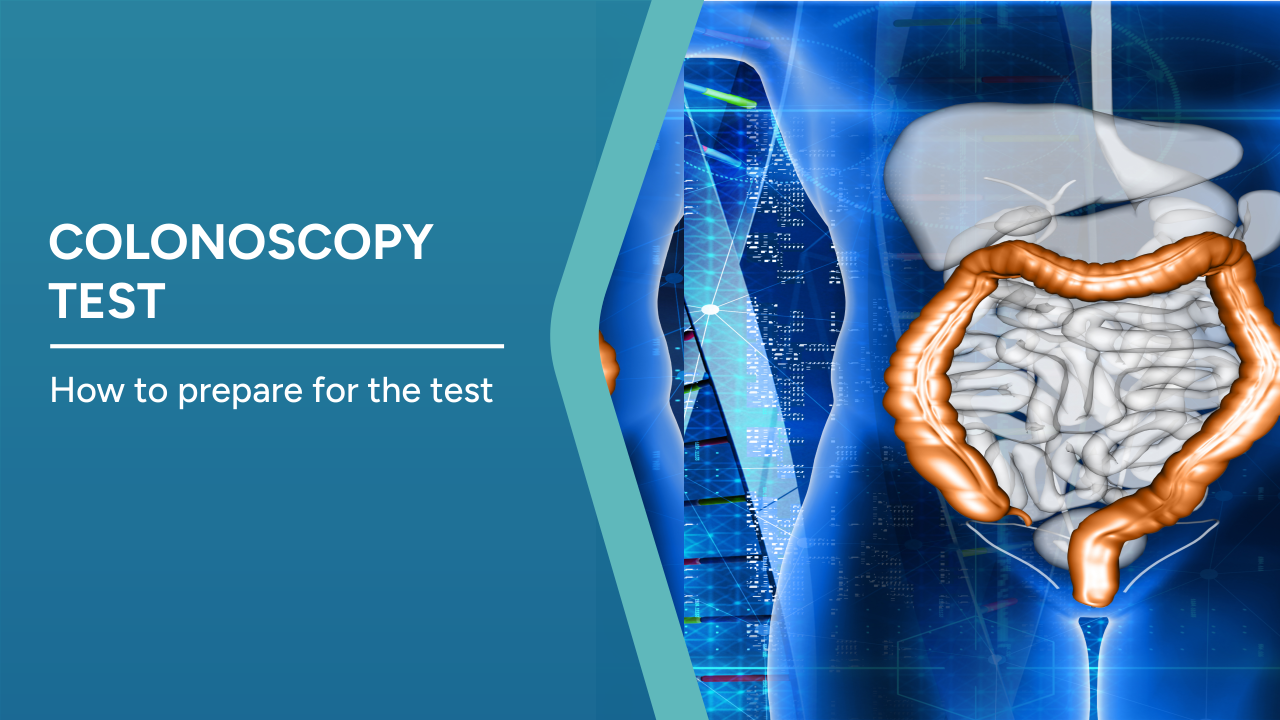
A colonoscopy test is one of the most effective procedures for detecting and preventing colorectal conditions, including polyps, inflammation, ulcers, and colorectal cancer. Unlike other screening methods, colonoscopy allows doctors not only to visualize the entire colon but also to remove polyps and take tissue samples during the same procedure.
Proper preparation plays a critical role in ensuring accurate results and a smooth procedure experience. At Nanavati Max Super Speciality Hospital, our gastroenterology specialists guide patients through every stage of the colonoscopy process. This comprehensive guide explains everything you need to know about preparing for your colonoscopy test, including specific preparation medications, detailed timeline instructions, dietary changes, recovery expectations, and how to recognize when complications require medical attention.
What is a Colonoscopy Test?
A colonoscopy is a medical procedure where a thin, flexible tube called a colonoscope (about 1/2 inch in diameter) is inserted through the rectum to examine the entire large intestine and rectum. The colonoscope has a camera and light source that transmits images to a monitor, allowing the doctor to visualize the intestinal lining in real time.
Purpose & Indications for Colonoscopy
Screening for Colorectal Cancer
- Age 45-50+: Routine screening for average-risk individuals
- Family History: If relatives had colorectal cancer or polyps
- Previous Polyps: Surveillance after polyp removal
Diagnostic (When Symptoms Present)
- Rectal bleeding or blood in stool
- Chronic diarrhea or constipation (lasting >2 weeks)
- Unexplained abdominal pain or cramping
- Unintended weight loss
- Suspected inflammatory bowel disease (Crohn's, ulcerative colitis)
Therapeutic Procedures
- Polyp removal
- Treatment of bleeding sources
- Stricture dilation
- Stent placement
Who needs a Colonoscopy?
Doctors typically recommend colonoscopy for:
- Adults age 45-50+ for routine screening (consensus varies by guideline)
- Those with family history of colorectal cancer
- Patients with GI symptoms mentioned above
- Those with personal history of polyps or inflammatory bowel disease
- Anyone with blood in stool (visible or detected in lab tests)
- Individuals with abnormal results from other screening tests
Detailed Colonoscopy Preparation Timeline
10 Days before your appointment
Schedule Your Consultation:
- Contact Nanavati Max to confirm/ book your appointment date and time
- Discuss any medical conditions with your doctor
- Request specific preparation instructions (your doctor may customize based on your needs)
- Ask about medication adjustments you'll need to make
Arrange Transportation:
- Since sedation will be used, arrange for someone to drive you home
- Avoid driving or operating machinery for 12-24 hours after procedure
- Plan to take the day off work/rest at home
7 Days before your appointment
Start Dietary Preparation:
- Some doctors recommend starting a low-fiber diet 5-7 days before
- Others recommend starting only 3-5 days before
- Follow your doctor's specific instructions
5 Days before your appointment
Low-Fiber Diet Begins
Switch to low-fiber foods that are easier to digest:
Foods to Eat (Low-Fiber):
- White rice, white bread, refined pasta
- Skinless chicken, fish (plain/boiled)
- Eggs (any preparation)
- Plain yogurt, milk, cheese
- Clear broths and soups
- White cereals (without fiber)
- Bananas, canned fruits (not raw)
- Plain biscuits, crackers
Foods to Avoid (High-Fiber):
- Whole grains, brown rice, whole wheat bread
- Nuts, seeds, popcorn
- Raw vegetables and fruits
- Beans, lentils, peas
- Dried fruits
- High-fiber cereals
- Fatty or fried foods
- Spicy foods
- Corn
Hydration (Essential):
- Drink at least 8-10 glasses of water daily
- Include clear fluids: tea, coffee (without milk), clear juice
- Staying hydrated prevents dehydration during prep
Learn More about the Healthy Dietary Habits: Ways to Boost Immunity
2 Days before your appointment
Transition to Clearer Diet:
Morning & Afternoon:
- Continue low-fiber solid foods
- Begin increasing clear liquid intake
- Reduce solid food portions
Allowed Clear Fluids:
- Water (unlimited)
- Clear broths (chicken, vegetable - not creamy)
- Apple juice, white grape juice, white cranberry juice
- Coconut water (without pulp)
- Sports drinks (Gatorade, Powerade - light colors only)
- Tea, coffee (without milk or cream)
- Gelatin desserts (yellow, orange, or green only - No red, purple, or blue)
- Honey (small amounts)
- Lemonade (without pulp)
Strictly Avoid:
- Red, purple, or blue beverages (mimics bleeding and interferes with visualization)
- Milk, cream, or milk-based liquids
- Solid foods
- Thick smoothies or milkshakes
- Alcohol
- Carbonated drinks (optional - some doctors allow)
Clear Liquid Diet (24 hours):
8:00 AM - Breakfast:
- Clear broth with noodles or 1 cup apple juice or tea with honey
12:00 PM - Lunch:
- Clear broth
- White grape juice
- Gelatin (yellow/orange only)
3:00 PM - Snack:
- More broth
- Water with lemon
- Popsicle (not red/purple)
6:00 PM - Final Solid (if not yet starting prep):
- Light broth with noodles
- Last chance for clear liquids before heavy prep
Why Preparation is absolutely critical
Impact of Poor Preparation on Results
The success of your colonoscopy depends almost entirely on bowel cleanliness. If the colon is not properly cleaned:
- Missed Abnormalities: Polyps smaller than 5mm can be hidden behind residual stool
- Missed Cancer: Early-stage colorectal cancer may not be detected
- Procedure Cancellation: If visualization is inadequate, the procedure must be rescheduled
- Repeat Procedures: Inadequate prep requires a second colonoscopy, doubling cost and time
Read More about the Colon Cancer Screening
Colonoscopy procedure details
What to Expect Before the Procedure
Check-in (15 minutes before):
- Vital signs recorded (blood pressure, heart rate, oxygen)
- IV line placed (for sedation and emergency medications)
- Change into procedure gown
- Empty bladder completely
Pre-procedure Talk:
- Doctor will review your medical history
- Anesthesiologist will discuss sedation
- Final opportunity to ask questions
During the Procedure (30-60 minutes)
Positioning:
- Lie on left side with knees bent toward chest
- Staff will adjust positioning as needed for best visualization
Sedation:
- IV medication administered (propofol or midazolam)
- You'll feel relaxed and may fall asleep
- You will not feel pain or remember the procedure
Examination:
- Colonoscope inserted slowly through rectum
- Air pumped into colon to expand it for better viewing
- Doctor examines entire colon lining
- Takes 20-30 minutes for complete examination
If Abnormalities Found:
- Polyp Removal: Snare wire tightens around polyp base, electric current burns it off
- Biopsy: Small tissue forceps take sample
- Cautery: Electric current applied to bleeding sites
- Brushing: Cells collected from suspicious areas
Procedure Duration
- Diagnostic only (no polyps): 15-20 minutes
- With polyp removal: 30-45 minutes
- With biopsies: 45-60 minutes
- Total appointment time: 2-3 hours (includes prep, procedure, recovery)
Colonoscopy results & what they mean
Normal Results
What this means:
- No polyps, inflammation, ulcers, or cancer detected
- Entire colon visualized clearly
- No further testing needed
Next steps:
- Routine screening in 10 years (average-risk individuals)
- Return to normal diet and activities
- Can drive and return to work next day
- No special follow-up needed
Abnormal Results: Polyps Removed
What this means:
- Polyps found and removed during procedure
- Tissue sent to pathology for analysis
- Results returned in 1 week
Based on pathology results:
- Benign/Hyperplastic polyps: Repeat in 10 years (low cancer risk)
- Adenomatous polyps: Repeat in 3-5 years (precancerous)
- Advanced adenoma: Repeat in 2-3 years (higher cancer potential)
Abnormal Results: Inflammation
Possible findings:
- Ulcerative colitis (inflammation of colon lining)
- Crohn's disease (inflammation throughout GI tract)
- Other forms of colitis
Next steps:
- Biopsies taken to confirm diagnosis
- Referral to gastroenterologist
- Medical treatment typically started
- Specialized monitoring needed
Abnormal Results: Cancer Suspected
If concerning areas found:
- Biopsy taken immediately
- Pathology confirms or rules out cancer
- If cancer confirmed: Staging CT scan ordered
- Urgent referral to colorectal surgeon
- Treatment planning begins
Recommended Reading: Colon Cancer: Stages and Process of Treatment
Complications & When to seek medical help
Understanding Complication Frequencies
Colonoscopy is generally very safe. Major complications occur in fewer than 1% of procedures:
- Perforation (puncture): 0.05% (1 in 2,000)
- Bleeding: 0.3-1% (1 in 100-300)
- Infection: <0.1% (1 in 1,000+)
- Anesthesia complications: <0.1%
Complication Urgency levels
Stop any activities and call emergency services if you experience:
- Severe abdominal pain (worst pain you've ever felt)
- Severe rectal bleeding (soaking through multiple pads quickly)
- Difficulty breathing or chest pain
- Signs of shock (extreme weakness, dizziness, fainting)
- Uncontrolled vomiting (inability to keep any fluids down)
- Fever >103°F with severe pain
Disclaimer: This information is provided for educational and informational purposes only and is NOT a substitute for professional medical advice, diagnosis, or treatment. Always seek the advice of your physician or other qualified healthcare provider with any questions you may have regarding a medical condition or procedure.
Final Thoughts
Preparing for a colonoscopy test may feel challenging initially, but proper planning and medical guidance can make the process smoother and more comfortable. Following dietary instructions, staying hydrated, taking bowel preparation correctly, and informing your doctor about medications are important steps for accurate results and patient safety.
Feeling anxious before the procedure is normal, and discussing concerns with your healthcare provider may help ease stress. At Nanavati Max Super Speciality Hospital, experienced gastroenterology specialists provide comprehensive support and patient-centred care throughout the colonoscopy process.
Frequently Asked Questions
1. Can I drink water before a colonoscopy test?
Yes, clear liquids and water are usually allowed during the liquid diet phase, but you must stop all fluid intake as instructed by your doctor, often around 2 to 4 hours before the procedure, to ensure safety during sedation.
2. How long does colonoscopy prep take?
Preparation generally starts one to three days before the procedure, depending on the preparation plan.
3. What happens if prep is not complete?
If the bowel is not fully cleaned, the doctor may need to repeat the colonoscopy test for accurate results.
4. Can I take my regular medicines?
Some medications can be continued, while others may require temporary changes. Always follow your doctor’s advice.
References
- American Cancer Society. Colonoscopy
- American College of Gastroenterology. Colonoscopy
- American Society for Gastrointestinal Endoscopy. Understanding Colonoscopy

Written and Verified by:

Related Blogs

Dr. Manmohan M. Kamat In General & Minimal Access Surgery
Oct 05 , 2026 | 5 min read

Dr. Manmohan M. Kamat In Department of General Surgery , General & Minimal Access Surgery
Aug 22 , 2026 | 6 min read
Most read Blogs


Related Blogs
Dr. Manmohan M. Kamat In General & Minimal Access Surgery
Oct 05 , 2026 | 5 min read
Dr. Manmohan M. Kamat In Department of General Surgery , General & Minimal Access Surgery
Aug 22 , 2026 | 6 min read
Most read Blogs