Understanding the SGOT Test: What It Reveals About Your Liver Health
By Dr. Alisha Chaubal in Nanavati Max Institute of Gastroenterology & Flexible Endoscopic Surgery
Oct 06 , 2026 | 5 min read

SGOT stands for Serum Glutamic-Oxaloacetic Transaminase. This enzyme, also known as AST, means Aspartate Aminotransferase. It’s present in several organs in the human body, but the liver is one of the primary sources.
Why is the SGOT Test done?
Doctors usually recommend this test to check if there's any damage to the liver. It’s a helpful marker if you're trying to understand if the liver is inflamed, injured, or under stress. Having said that, high levels of SGOT can sometimes be a sign of issues in other parts of the body, like the heart or muscles.
SGOT vs AST: Are They the Same?
They are similar. SGOT and AST are two names for the same enzyme. SGOT is the older term, while AST is what you’ll often find in lab reports today.
What Does the SGOT Test Measure?
Role of SGOT (AST) Enzyme in the Body
This enzyme plays a crucial role in how your cells utilise amino acids for energy. It’s normally present inside the cells of organs like the liver, heart, muscles, and kidneys.
Connection Between SGOT Levels and Liver Function
When liver cells are damaged due to an infection, alcohol, or a condition like hepatitis, the enzyme leaks into the bloodstream, that’s when levels in your blood start to rise, and the SGOT test detects it.
Other Organs Where SGOT Is Found
Apart from the liver, SGOT is also found in the heart, brain, kidneys, and skeletal muscles. That’s why doctors look at this test alongside other results to figure out what’s going on.
Read More about Liver Failure - Symptoms, Causes & Stages
When Is the SGOT Test Recommended?
Common Symptoms That May Lead to Testing
- Unusual or constant tiredness
- Pain in the stomach, especially in the upper right side
- Loss of appetite
- Yellowing of the skin or eyes (jaundice)
These symptoms may indicate a liver-related issue and could prompt your doctor to recommend further testing.
Routine Health Screenings and Liver Panels
Even without symptoms, the SGOT test is often part of a regular liver function panel. It’s a smart way to catch early signs of liver stress, especially if you have a history of alcohol use, fatty liver, or diabetes.
Understanding SGOT Test Results
What Is a Normal SGOT Range?
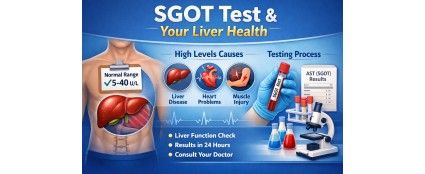
In most labs, normal values fall between 5 to 40 units per litre. These numbers might differ slightly from one lab to another, so it’s best to read your results in context.
Causes of High SGOT Levels
When SGOT is higher than normal, it can mean a few things:
- Liver conditions: Hepatitis, fatty liver, liver cirrhosis
- Heart conditions: A heart attack or muscle injury
- Muscle injury: Heavy workouts or trauma to the muscles
Causes of Low SGOT Levels
A low SGOT level isn’t usually a reason to worry. It can happen when there’s a deficiency in Vitamin B6, but it rarely needs treatment on its own.
Know More about Liver Function Test (LFT)
How SGOT Results Are Interpreted With SGPT
Doctors usually examine SGOT in conjunction with SGPT (also known as ALT). If both are high, it points more strongly toward a liver problem. The ratio between the two can also help your doctor understand the likely cause.
How Is the SGOT Test Performed?
Test Procedure
This test only needs a small sample of blood, drawn from a vein in your arm. It takes a few minutes and is done at a lab or hospital.
Fasting or Preparation Required
Usually, there’s no need to fast. But if you’re getting a full liver function panel, your doctor might ask you to avoid food for 8-10 hours before the test.
Risks and Side Effects
The procedure is safe. You might feel a pinch when the needle goes in and a little soreness afterwards, but there's nothing more.
How to Lower Elevated SGOT Levels Naturally?
Diet and Lifestyle Changes
A balanced diet rich in vegetables, fruits such as papaya and guava, and whole grains can help support liver function. Indian meals like khichdi, pulses-rice, and homemade vegetable curries are good choices.
Importance of Avoiding Alcohol and Toxins
Alcohol can make liver damage worse. If your SGOT is high, staying off alcohol is one of the first things your doctor will suggest.
Role of Medication and Medical Supervision
Some medicines can raise liver enzymes. If you're on long-term medication, ask your doctor whether it might be affecting your liver. Never stop any medicine on your own, though, before speaking with a specialist first.
SGOT Test vs Other Liver Function Tests
SGPT (ALT) Test
While SGOT is found in many organs, SGPT is more specifically associated with the liver. High SGPT usually points more clearly to liver issues.
Bilirubin Test
This test checks how well your liver processes waste. If bilirubin levels are high, it may explain symptoms such as yellowing of the skin.
GGT and ALP Tests
These tests provide more detailed information about bile duct function and other liver-related pathways.
Final Thoughts
If you’ve been diagnosed with liver disease, or even if you’re at risk, tracking your SGOT levels can help your doctor adjust treatment or catch new problems early.
At Nanavati Max Super Speciality Hospital, we believe in staying a step ahead when it comes to liver health. If you’ve been advised to take an SGOT test or need help interpreting your results, we’re here to support you with expert guidance and personalised care. Please reach out to us as early action can make a real difference.
Frequently Asked Questions
1. Is the SGOT test only for liver problems?
SGOT levels can rise because of issues in the heart, muscles, or kidneys, too. That’s why this test is interpreted with others.
2. What are normal SGOT levels in adults?
Typically, between 5 to 40 units per litre. But check your lab’s reference range to be sure.
3. Can exercise cause high SGOT levels?
Intense workouts can temporarily raise levels. This is usually not a cause for concern unless levels stay high.
4. Is fasting required before an SGOT test?
Not always. However, if you’re getting a comprehensive liver panel, your doctor may recommend fasting for better accuracy.
5. How long does it take to get SGOT test results?
Most labs share results within 24 hours, sometimes even on the same day.
6. How often should I take the SGOT test?
If you have liver concerns, your doctor may recommend checking it every few months; otherwise, once a year during your health check-up is a good idea.
7. What happens if SGOT levels stay high for a long time?
Persistent high SGOT could mean chronic liver disease or another ongoing issue. You’ll need further tests to find out the cause and decide on treatment.

Written and Verified by:

Related Blogs

Medical Expert Team
Oct 06 , 2026 | 4 min read


Blogs by Doctor


Most read Blogs



Related Blogs
Medical Expert Team
Oct 06 , 2026 | 4 min read
Blogs by Doctor
Most read Blogs