How Traumatic Brain Injuries Impact the Brain and Body
By Dr. Pradyumna J. Oak in Centre for Neurosciences
Aug 04 , 2026 | 7 min read

Traumatic brain injuries are more common than we realise. A simple fall in the bathroom, a minor road accident, or a cricket ball hitting the head too hard can all lead to a brain injury. Sometimes the symptoms show up immediately. Other times, they creep in slowly.
What makes TBIs serious is not just the initial injury; it is also the potential for long-term consequences. It's what follows. They can influence how a person thinks, feels, moves, and behaves. And because the brain controls everything in the body, the effects of a TBI often go far beyond just memory loss or headaches.
What Are Traumatic Brain Injuries (TBI)?
A traumatic brain injury occurs when the brain is injured due to a sudden force. It could be from a hit, a jolt, or even something that pierces the skull. This can disrupt the brain's normal functioning, either temporarily or permanently.
Common reasons include falling, road traffic accidents, being hit during sports, or any violent injury. TBIs can happen at any age. Older adults may fall at home, young children might bump their heads, and teenagers and adults may get hurt from driving accidents or playing contact sports.
Types of Traumatic Brain Injuries
Not every brain injury is the same. A mild TBI, like a concussion, might lead to dizziness or a brief blackout. These usually heal with rest. Moderate injuries tend to last longer, sometimes accompanied by prolonged periods of unconsciousness. Severe injuries can have a profound and lasting impact on a person's thoughts and movements.
In some cases, the injury doesn't break the skull (called a closed TBI). In others, something enters the skull (called a penetrating TBI). Both require medical attention, and each presents a unique set of risks.
Read More about Blood Clot in Brain: Symptoms, Diagnosis & Treatment
Immediate Impact of Traumatic Brain Injuries on the Brain
Disruption of Brain Function
As soon as a TBI happens, brain function is interrupted. Messages between brain cells may not go through. The flow of blood and oxygen to certain areas might slow down. The brain tissue itself may get bruised or stretched.
These changes can lead to confusion, blurry vision, loss of balance, or even a complete loss of consciousness. The brain stops functioning as it should, and this is evident in everything from speech to thought to physical movement.
Brain Swelling and Hematomas
The brain is packed tightly inside the skull. If it starts to swell, there's no room for that extra pressure to go. This can cause damage to healthy brain cells nearby. This swelling is called cerebral edema, and it's one of the reasons TBIs can get worse quickly.
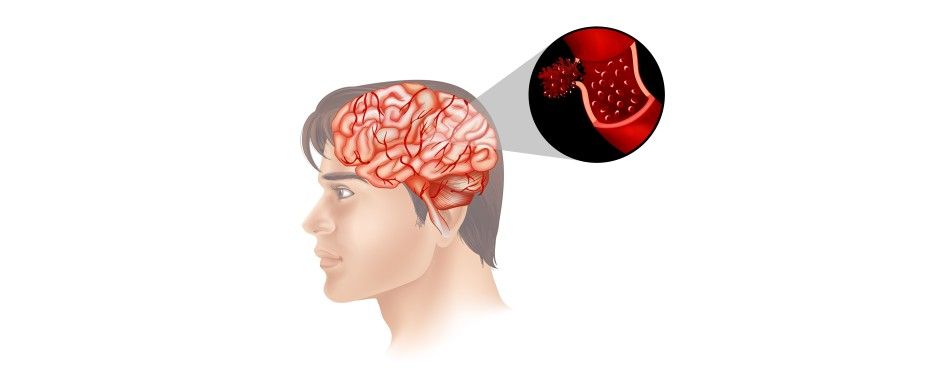
Another danger is the formation of blood clots or hematomas, which occur when blood pools between the brain and the skull. If not treated fast, these can press on the brain and cause serious complications. That's why time matters so much in treating head injuries.
Damage to Specific Brain Regions
Different parts of the brain do different jobs. The frontal lobe is responsible for controlling decisions and emotions. If this area becomes injured, people may act impulsively or struggle to manage their feelings. The temporal lobe plays a vital role in memory and speech; damage to this area can impair memory and make it difficult to follow conversations. The brainstem controls breathing and heartbeat. Injuries here can be life-threatening. Even a minor injury in the wrong spot can create significant challenges in everyday life.
Long-Term Effects of Traumatic Brain Injuries on Cognitive Function
Memory and Learning Difficulties
One of the most common effects of a TBI is trouble with memory. It may be challenging to recall names, appointments, or instructions. Some people struggle to focus on tasks or learn new things. Reading a paragraph and remembering what it said might take longer than it used to. These changes are frustrating, but they're also very common and treatable with support and therapy.
Emotional and Behavioural Changes
After a TBI, some people become more emotional than they were before. Mood swings, irritability, or sadness may occur more frequently. A calm and friendly person may suddenly become short-tempered or anxious.
This doesn't mean they've changed as a person. It simply means that the parts of the brain that control emotions have been affected. Family members may not understand this at first, which is why counselling and awareness are important during recovery.
Cognitive Disorders (e.g., TBI-induced Dementia)
Repeated head injuries can increase the risk of cognitive decline later in life. In some cases, people develop forms of Dementia. Others may show signs of chronic traumatic encephalopathy (CTE), a condition seen in people who've had repeated head impacts, like athletes or military personnel.
These effects don't always appear immediately. Sometimes they take years to appear, which is why long-term care and monitoring are just as important as short-term recovery.
Learn More about Causes of Neurological Disorders
Physical Impact of Traumatic Brain Injuries on the Body
Motor Function and Coordination
A TBI can make everyday movements difficult. Activities like walking, lifting a spoon, or tying a shoelace may feel more challenging. Some people experience tremors, stiffness, or weakness in their arms or legs. Balance problems are also common.
This happens because the areas of the brain that control movement may have been injured. With therapy and rehab, many of these skills can be improved or relearned.]
Sensory Impairments
After a brain injury, the senses may not work the same way. Some people experience changes in their vision, such as blurred vision or trouble with depth perception. Others may have difficulty hearing or feel tingling in their hands and feet. Bright lights or loud noises might become excruciating.
This happens because the brain has trouble processing sensory signals the way it used to. Over time, some of these symptoms may subside, while others may need ongoing therapy to manage.
Chronic Pain and Headaches
Chronic pain is one of the most lingering issues after a TBI. Headaches can range from sharp to dull or constant in intensity. Some people also experience neck pain or muscle tightness. These symptoms can affect sleep, mood, and even relationships.
It's essential to address these symptoms seriously, not just with medication, but with a comprehensive plan that includes rest, therapy, and medical support.
Secondary Effects of Traumatic Brain Injuries on Overall Health
Hormonal Imbalances
The brain controls hormones through small structures, such as the pituitary gland and hypothalamus. A TBI can disturb how these parts work. This may lead to fatigue, weight changes, mood problems, or other unexplained symptoms.
Hormonal changes can be challenging to detect, but once identified, they can be effectively managed with proper treatment and monitoring.
Risk of Seizures
Some people start having seizures after a TBI. This can happen soon after the injury or even months later. These seizures are part of a condition called post-traumatic epilepsy, and they need long-term care.
With the right diagnosis and medication, seizures can be controlled, but regular follow-up is key.
Increased Risk of Other Medical Conditions
People who've had a TBI may also be at higher risk for other health problems. These include sleep disorders, heart conditions, infections, and even neurodegenerative diseases like Parkinson's or Alzheimer's in the long run.
That's why a brain injury isn't just a one-time event. It's something that needs ongoing attention and care.
Conclusion
Traumatic brain injuries can affect how we think, move, feel, and live. But the good news is that with early care and structured rehabilitation, recovery is possible. At Nanavati Max Super Speciality Hospital, we don't just treat brain injuries; we support individuals and families through the entire healing journey. From emergency care to long-term rehab and emotional support, we are here for you.
Frequently Asked Questions
1. What are the most common causes of traumatic brain injuries?
Falls, road traffic accidents, sports injuries, and violent impacts most often cause traumatic brain injuries. They can occur at any age, from childhood to old age.
2. How do traumatic brain injuries affect the brain immediately?
Traumatic brain injuries can disrupt communication between brain cells, reduce blood flow, and cause swelling or bleeding. This often results in confusion, vision problems, dizziness, or loss of consciousness.
3. What are the long-term effects of traumatic brain injuries on mental health?
Long-term effects may include memory loss, difficulty concentrating, mood swings, irritability, depression, and, in some instances, conditions like Dementia or chronic traumatic encephalopathy (CTE).
4. How do traumatic brain injuries impact physical abilities?
TBIs can affect movement, coordination, and balance, making everyday activities like walking or using hands difficult. They may also cause tremors, stiffness, and chronic headaches.
5. Can traumatic brain injuries lead to hormonal changes?
Yes, a traumatic brain injury can disrupt the pituitary gland and hypothalamus, leading to hormonal imbalances. This may cause fatigue, weight fluctuations, mood changes, and other health issues.
6. Do traumatic brain injuries increase the risk of seizures?
Many people with traumatic brain injuries develop post-traumatic epilepsy, where seizures occur soon after or months following the injury. Regular medical care is required to manage this condition.

Written and Verified by: