The Pituitary Gland: Key Functions and Common Disorders
By Dr. Girish Parmar in Endocrinology
Aug 05 , 2026 | 4 min read

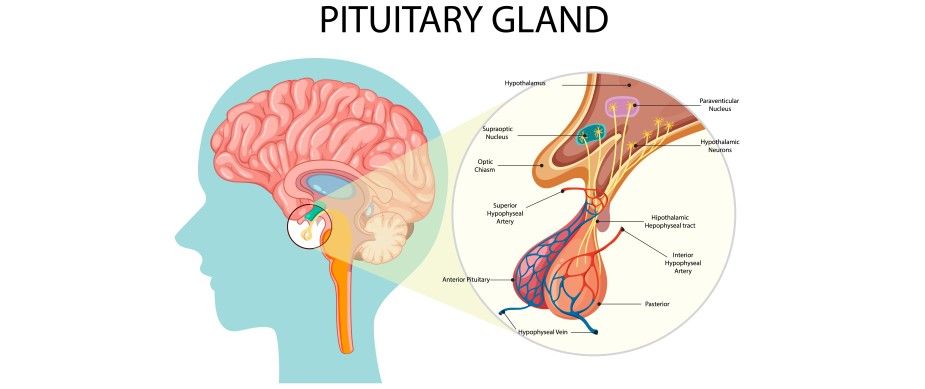
The pituitary is a small but an important tool of the body. The pituitary gland is present at the base of the brain and is commonly called the master gland, as it controls the hormones produced by other glands such as the thyroid and adrenal glands. These hormones control important processes such as growth, metabolism, and reproduction. A problem in any one of those hormones resulting from a problem in the pituitary would paradoxically disturb these functions and create difficulties for the body. This small gland has extensive roles in maintaining the balance in a body.
What is the Pituitary Gland?
The pituitary gland, also known as hypophysis cerebri, is about the size of a pea and sits in a bony pocket called the sella turcica. It has two main parts—the anterior (front) and posterior (back) lobes—that produce and release different hormones.
This gland doesn’t work alone. It takes cues from the hypothalamus, a part of the brain that tells the pituitary when to release hormones.
Together, they act as the body’s internal control system, keeping everything from stress responses to growth on track. The pituitary gland’s location and its connection to the brain make it an integral part of the endocrine system.
Key Functions of the Pituitary Gland
The pituitary gland function is divided between its two lobes, each responsible for specific tasks.
Anterior Pituitary Functions
The anterior lobe produces several key hormones:
- Growth Hormone (GH): Supports physical growth in children and helps maintain muscle and bone mass in adults.
- Thyroid-Stimulating Hormone (TSH): Signals the thyroid gland to regulate metabolism.
- Prolactin: Encourages milk production in breastfeeding women.
- Adrenocorticotropic Hormone (ACTH): Stimulates the adrenal glands to produce cortisol, the stress hormone.
- Luteinising Hormone (LH) and Follicle-Stimulating Hormone (FSH): Manage reproductive functions in both men and women.
Posterior Pituitary Functions
The posterior lobe releases two important hormones:
- Oxytocin: Helps during childbirth and plays a role in bonding and emotional connections.
- Antidiuretic Hormone (ADH): Regulates water balance in the body, ensuring you don’t become dehydrated.
These hormones are essential for everyday processes, making the pituitary gland vital to health.
Pituitary Gland Disorders: Causes and Symptoms
Issues with the pituitary gland can lead to various disorders, each with unique symptoms. The common types include tumours and hypo or Hyperpituitarism, where the normal production of the hormones is impacted.
Pituitary Tumours
Non-cancerous growths in the gland are common. These tumours can cause headaches, vision problems, and hormonal imbalances. Depending on the tumour type, they may either overproduce or suppress hormone levels.
Hypopituitarism
This condition occurs when the gland doesn’t produce enough hormones. Causes include genetic factors, head injuries, or infections. Symptoms range from fatigue and weight loss to low libido and sensitivity to cold.
Hyperpituitarism
Overproduction of hormones can lead to:
- Acromegaly: Excess growth hormone causes abnormal enlargement of hands, feet, and facial features.
- Cushing’s Disease: High levels of cortisol result in symptoms like weight gain, high blood pressure, and a round face.
Diagnosing Pituitary Gland Problems
Diagnosing pituitary gland symptoms involves several steps to pinpoint the issue.
Physical Examination
A doctor checks for visible changes like abnormal growth patterns or swelling.
Blood Tests
These tests measure hormone levels to identify abnormalities. For instance, low thyroid hormones might indicate a problem with TSH production.
Imaging Tests
MRI or CT scans are used to get detailed images of the gland. These tests can reveal tumours or structural changes.
Biopsy
In rare cases, a small tissue sample is taken to check for cancer or other specific conditions.
Treatment Options for Pituitary Gland Disorders
Treatments vary depending on the disorder’s type and severity.
Medical Treatments
Hormone replacement therapy is often used to restore normal levels. Medications can shrink tumours or regulate hormone production.
Surgical Options
Surgery might be necessary for larger tumours. Endoscopic procedures through the nose are common and less invasive.
Radiation Therapy
If surgery isn’t an option or doesn’t fully resolve the issue, radiation can help control tumour growth.
Prevention and Risk Factors
While not all pituitary problems can be prevented, understanding risk factors and adopting certain habits can help. Common risk factors include the following -
- Genetics: A family history of pituitary disorders increases the likelihood of issues.
- Trauma: Head injuries can disrupt the gland’s function.
- Chronic Stress: Persistent stress might contribute to hormone imbalances.
Prevention Tips
- Regular checkups can catch potential problems early.
- Managing stress and following a healthy lifestyle support hormonal balance.
- Knowing family history can encourage earlier screenings.
Living with Pituitary Gland Disorders
Dealing with pituitary disorders requires adjustments, but a good care plan makes a big difference. Regular follow-ups with a doctor are essential to monitor hormone levels and modify treatments as needed. Daily habits also play a role. A balanced diet, consistent exercise, and proper hydration can improve overall well-being. Emotional support from family, friends, or support groups can help manage the mental challenges that sometimes accompany chronic conditions.
Conclusion
The pituitary gland is a small organ with an outsized impact on the body. Its role in controlling hormones affects nearly every system, from growth and metabolism to reproduction. Identifying and addressing pituitary gland symptoms early can make a significant difference in managing disorders effectively. At Nanavati Max Super Speciality Hospital, we’re here to help you with expert diagnosis and personalised care for pituitary-related concerns. If you’re experiencing symptoms or have questions, reach out to us today.
Frequently Asked Questions
1. What is the main function of the pituitary gland?
The pituitary gland controls hormone production that regulates growth, metabolism, reproduction, and water balance.
2. How can I tell if I have a pituitary disorder?
Signs include fatigue, unexplained weight changes, headaches, and vision problems. If you notice persistent symptoms, see a doctor.
3. Are pituitary tumours dangerous?
Most tumours are benign but can still cause symptoms by affecting hormone levels or pressing on nearby structures.
4. Can pituitary disorders affect fertility?
Yes, hormonal imbalances can interfere with ovulation and sperm production, affecting fertility in both men and women.
5. How is a pituitary disorder treated?
Treatments include hormone therapy, medication, surgery, or radiation, tailored to the specific condition. Consult a specialist for personalised care.

Written and Verified by:

Related Blogs
Dr. Girish Parmar In Endocrinology
Sep 10 , 2026 | 8 min read

Dr. Girish Parmar In Endocrinology
Aug 05 , 2026 | 7 min read

Dr. Girish Parmar In Endocrinology
Aug 05 , 2026 | 7 min read
Blogs by Doctor
Insulin Resistance: Early Signs, Risks, and Testing Guidelines
Dr. Girish Parmar In Endocrinology
Sep 10 , 2026 | 8 min read

Top 10 Vitamin D Foods You Can Include in Your Daily Diet
Dr. Girish Parmar In Internal Medicine
Aug 19 , 2026 | 9 min read

Sources of Vitamin D: Natural Ways to Boost Your Levels
Dr. Girish Parmar In Internal Medicine
Aug 12 , 2026 | 6 min read
Most read Blogs



Related Blogs
Dr. Girish Parmar In Endocrinology
Sep 10 , 2026 | 8 min read
Dr. Girish Parmar In Endocrinology
Aug 05 , 2026 | 7 min read
Dr. Girish Parmar In Endocrinology
Aug 05 , 2026 | 7 min read
Blogs by Doctor
Insulin Resistance: Early Signs, Risks, and Testing Guidelines
Dr. Girish Parmar In Endocrinology
Sep 10 , 2026 | 8 min read
Top 10 Vitamin D Foods You Can Include in Your Daily Diet
Dr. Girish Parmar In Internal Medicine
Aug 19 , 2026 | 9 min read
Sources of Vitamin D: Natural Ways to Boost Your Levels
Dr. Girish Parmar In Internal Medicine
Aug 12 , 2026 | 6 min read
Most read Blogs