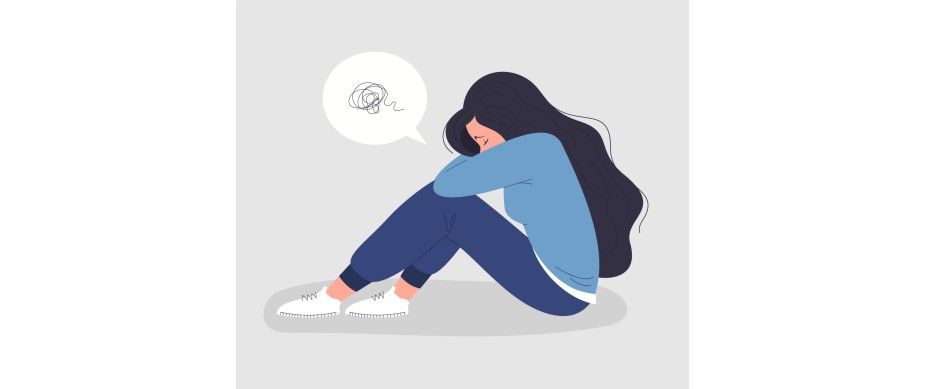
Top 7 Tips to Manage Seasonal Depression and Improve Mental Health
By Dr. Ajit Dandekar in Mental Health (Psychiatry, Psychology)
Oct 05 , 2026 | 5 min read

Seasonal depression is a mood disorder that happens during a certain period in the year, most often during the winter season when days are shorter. It can lead to persistent exhaustion, lack of energy, trouble concentrating, and an overall feeling of sadness that does not lift. It's not simply feeling a bit sad, it can disrupt daily functioning and overall health.
In this blog, we will discuss seven evidence-based and practical tips that can assist you in managing seasonal depression and maintaining good mental health.
Tip #1: Embrace Sunlight
One of the reasons for seasonal depression is the lack of sunlight during certain months. Sunlight regulates the internal clock of our body and our serotonin levels – a primary hormone that helps level out moods. When natural light exposure is lowered, it can make you feel sad and lethargic.
Light therapy is an easy and effective solution if sunlight is missing. Exposure to a lightbox for 20-30 minutes in the morning can be used to simulate natural sunlight and get ahead of symptoms of seasonal depression. These lamps release intense light that triggers the production of serotonin and regulates the sleep-wake cycle.
Read More about Mental Health
Tip #2: Stay Physically Active
Exercise in the cold winter months can be a challenge. However, one of the best natural methods for increasing serotonin and dopamine levels, which can help fight seasonal depression, is regular exercise.
You don't have to have a rigorous gym schedule to benefit. Walking, yoga, or aerobic exercise will do the trick. Exercise promotes the release of endorphins, which boosts mood, combat stress, and provides energy.
Indoor workouts like stretching, dance workouts, or bodyweight exercises can also help you keep moving.
Tip #3: Maintain a Balanced Diet
A nutrient-rich diet plays a crucial role in maintaining good mental health, especially during seasonal changes. Certain foods can stabilise mood, reduce inflammation, and support brain function, making them important for those dealing with seasonal depression.
- Complex Carbs: Found in whole grains, lentils, and millet; help regulate serotonin, boosting energy levels.
- Omega-3 Fatty Acids: Present in walnuts, flaxseeds, and fatty fish; improve mood and reduce symptoms of depression.
- Vitamin D: Supports emotional health; sources include mushrooms, fortified dairy products, and egg yolks.
Tip #4: Establish a Routine
When days feel long and unproductive, a structured daily routine can provide much-needed stability. Keeping a regular wake-up time, eating schedule, and bedtime regulates the internal clock of the body. A routine helps your body receive proper rest and nutrition, minimising mood swings. Adding daily physical activity, social contact, and relaxation periods to your daily routine can keep energy levels stabilised.
Know the Differences Between a Psychotherapist and a Psychologist
Tip #5: Practice Mindfulness and Relaxation Techniques
Stress and worry tend to increase symptoms of seasonal depression, so being able to remain present and effectively control emotions is very important. Mindfulness strategies may help redirect attention away from extreme thoughts and into the current moment.
Meditation, deep breathing, and guided relaxation exercises are all wonderful techniques to lower stress levels and elevate mood. A basic deep breathing exercise can immediately produce a sense of calm.
Journaling can also be a powerful mindfulness practice. Writing down thoughts and emotions helps process feelings, identify triggers, and track progress over time. Even five minutes a day of mindful activities can have a positive impact on mental health.
Tip #6: Stay Connected with Others
When struggling with sadness, it’s easy to withdraw from social interactions and spend more time alone. However, staying connected with friends, family, and community can provide essential emotional support.
Scheduling regular phone calls, in-person meetups, or even virtual hangouts can help combat feelings of loneliness. Engaging in group activities, volunteering, or joining social clubs can also provide a sense of belonging and purpose.
Tip #7: Seek Professional Help if Needed
While lifestyle changes can help manage seasonal depression, sometimes symptoms persist or worsen, making it necessary to seek professional guidance. If feelings of sadness, fatigue, or hopelessness last for weeks or start interfering with daily life, talking to a mental health professional is the best step.
Therapy options like Cognitive Behavioral Therapy (CBT) can help address negative thought patterns and develop healthier coping strategies. In some cases, medication may be recommended to regulate mood imbalances. A personalised treatment plan can be tailored to fit individual needs, ensuring the best possible care.
Conclusion
Seasonal depression can make you overwhelmed, but it doesn't necessarily have to conquer your life. With the help of light therapy, exercise, a healthy diet, mindfulness, social support, and professional aid, seasonal shifting becomes much manageable. At Nanavati Max Super Speciality Hospital, our staff of mental health experts is here to assist you with individualised treatment plans and expert advice.
Frequently Asked Questions
1. What is the best way to treat seasonal depression?
Light therapy, exercise, a healthy diet, and social engagement can help. For persistent symptoms, therapy or medication may be needed.
2. How long does it take for light therapy to show results?
Most people notice improvement within weeks of consistent daily use.
3. Can exercise alone help manage seasonal depression?
Exercise can boost mood, but combining it with other strategies like light therapy and a structured routine is more effective.
4. How do you know if you have seasonal depression?
If you experience low energy, mood swings, difficulty concentrating, or a loss of interest in activities, especially during certain seasons, it may be seasonal depression.
5. What are the causes of depression?
Depression can be caused by genetic factors, chemical imbalances in the brain, stressful life events, chronic illnesses, or seasonal changes. Lack of sunlight, poor sleep, and hormonal shifts can also contribute.
6. Who gives treatment for depression?
Psychiatrists, psychologists, and licensed therapists provide treatment through therapy, medication, or a combination of both. In some cases, general physicians may also help with initial diagnosis and referrals.
7. What foods improve mood during seasonal changes?
Foods rich in omega-3 fatty acids (walnuts, flaxseeds), complex carbs (whole grains, lentils), and Vitamin D (mushrooms, dairy, egg yolks) help improve mood. Reducing sugar and caffeine intake also stabilises energy levels.
8. When should I consider therapy for seasonal depression?
If symptoms persist for weeks and affect daily life, consulting a mental health professional is the best option. At Nanavati Max Super Speciality Hospital, we provide therapy and support.

Written and Verified by:

Related Blogs

Dr. Ajit Dandekar In Mental Health (Psychiatry, Psychology)
Aug 05 , 2026 | 4 min read

Medical Expert Team
Aug 05 , 2026 | 8 min read

Blogs by Doctor
Differences Between a Psychotherapist and a Psychologist
Dr. Ajit Dandekar In Mental Health (Psychiatry, Psychology)
Aug 05 , 2026 | 4 min read

Understanding Schizophrenia: Symptoms, Causes, and Prevention
Dr. Ajit Dandekar In Mental Health (Psychiatry, Psychology)
Aug 04 , 2026 | 5 min read
Most read Blogs



Related Blogs
Dr. Ajit Dandekar In Mental Health (Psychiatry, Psychology)
Aug 05 , 2026 | 4 min read
Medical Expert Team
Aug 05 , 2026 | 8 min read
Blogs by Doctor
Differences Between a Psychotherapist and a Psychologist
Dr. Ajit Dandekar In Mental Health (Psychiatry, Psychology)
Aug 05 , 2026 | 4 min read
Understanding Schizophrenia: Symptoms, Causes, and Prevention
Dr. Ajit Dandekar In Mental Health (Psychiatry, Psychology)
Aug 04 , 2026 | 5 min read
Most read Blogs