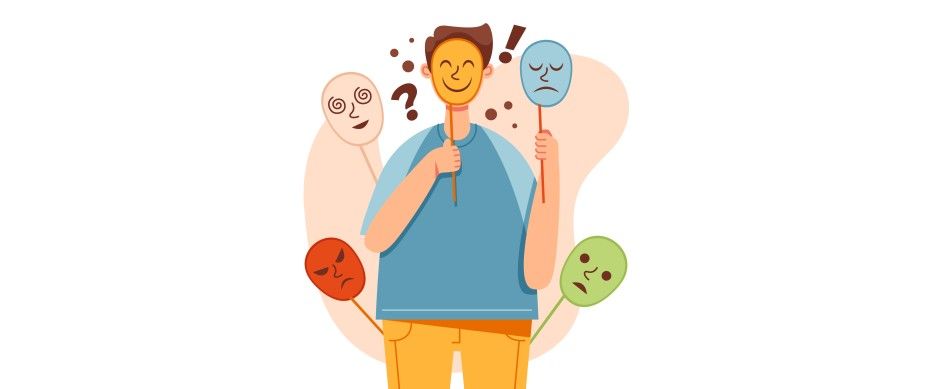
Understanding Schizophrenia: Symptoms, Causes, and Prevention
By Dr. Ajit Dandekar in Mental Health (Psychiatry, Psychology)
Aug 04 , 2026 | 5 min read

What is Schizophrenia?
Schizophrenia is a mental health condition that affects how a person feels, behaves, and thinks. It usually develops slowly, often beginning in the late teens or early twenties. You might notice someone withdrawing from others, speaking in a way that’s hard to follow, or expressing thoughts that seem disconnected from reality.
It’s not about having multiple personalities; it’s more about struggling to separate what’s real from what’s not. With the right support and treatment, though, people with schizophrenia can manage symptoms and live a balanced life. In this post, we talk about everything you need to know about schizophrenia so you are aware of the condition and can get treatment as soon as possible.
Types of Schizophrenia
As per the Diagnostic and Statistical Manual of Mental Disorders or DSM-5-TR, which is an internationally recognised manual on diagnosis and treatment of mental disorders, schizophrenia is no longer categorised into subtypes such as paranoid, disorganized, or catatonic. The treatment focuses more on the pattern of symptoms.
Some patients of schizophrenia experience strong delusions or hallucinations. They feel like they’re being followed, watched, or targeted even when there’s no real reason. But their memory, speech, and thinking might stay mostly clear. They can still talk logically and carry on with many tasks. It’s just that these powerful beliefs make everyday situations confusing and emotionally intense.
Schizophrenia patients can also be hard to understand. Their sentences may jump from one thought to another. Facial expressions can also seem blank or out of sync with emotions. Day-to-day tasks, even simple ones like bathing or cooking, might feel overwhelming. Over time, this disorganisation can affect how the person connects with others or takes care of themselves.
Some patients may react differently to routine situations. It’s less about what someone says and more about how they move or respond. A person may sit still for hours, not speak much, or keep repeating a certain movement. Sometimes, they won’t react even if you call their name. It’s rare, but when it happens, it needs medical attention. Medicines and therapy can help improve response and reduce the rigidity over time.
Know the Tips to Manage Seasonal Depression and Improve Mental Health
Common Symptoms of Schizophrenia
Positive Symptoms (things added to a person’s experience)
- Hearing voices or seeing things that aren’t real (hallucinations)
- Believing in things that aren’t true (delusions)
- Disorganised speech or behaviour that doesn’t match the situation
- These symptoms may come and go, but can cause significant distress when active
Negative Symptoms (things taken away from a person’s abilities)
- Lack of interest in people or activities once enjoyed
- Reduced emotional expression (flat voice or facial expressions)
- Limited speech or long periods of silence
- Often misunderstood as laziness, but it’s a core part of the illness
Cognitive Symptoms (impacting thinking and mental skills)
- Attention deficiency, lapses in working memory or inability to plan, process information or problem-solving.
- Difficulty organising thoughts or making decisions
- Challenges in managing daily tasks like work, studies, or finances
- Often subtle but can seriously affect daily functioning
From the Expert’s Desk: Mental Health Awareness
What Causes Schizophrenia?
There isn’t one clear reason why someone develops schizophrenia. It’s usually a mix of things. Genes play a big part. If it runs in the family, the chances go up. Brain chemicals like dopamine are also involved. Too much or too little of it can affect how the brain sends messages.
Stressful events, childhood trauma, or certain maternal infections during pregnancy may also add to the risk. Drug use, especially at a young age, can trigger symptoms in someone already at risk.
How is Schizophrenia Diagnosed?
Diagnosing schizophrenia isn’t as simple as taking a blood test or doing a scan. It’s a process. A psychiatrist will talk in detail with the person about what they’re feeling and how long it’s been going on. They’ll also speak to close family or friends if needed. They’ll check the person’s medical history and rule out other issues that could cause similar symptoms.
Doctors use the DSM-5-TR as a guide; it helps them see if the symptoms match the criteria for schizophrenia. Diagnosis can take a little time, but it’s important to get it right so the treatment is tailored properly.
Learn More about the Differences Between a Psychotherapist and a Psychologist
Treatment and Management
There’s no permanent cure yet, but treatment can help manage symptoms and improve quality of life. Medication is often the first step. Antipsychotic drugs help control hallucinations and delusions. Some people may need a few tries to find what works best for them.
Psychotherapy is also useful. Talking to a trained therapist helps build coping skills and understand triggers. Family support, occupational therapy, and a stable routine also make a huge difference.
At Nanavati Max Super Speciality Hospital, we offer holistic care, starting with diagnosis and medication and continuing with mental health counselling, nutritional guidance, and community support programs. We believe care should fit into your life, not the other way around.
Read More about Anxiety Disorders: Causes, Types and Treatments
Can Schizophrenia Be Prevented?
There’s no guaranteed way to prevent schizophrenia, but early action helps. If a person is at high risk, maybe they have a family history or show early symptoms, then regular mental health check-ups, therapy, and support can delay or lessen the condition’s impact.
Managing stress, getting good sleep, avoiding alcohol and street drugs, and sticking to routines go a long way. If symptoms do appear, starting treatment early improves the chance of better outcomes.
Frequently Asked Questions
1. Can people with schizophrenia live a normal life?
Yes. With the right treatment and strong support, many people work, study, have families, and enjoy life just like anyone else. It’s not easy, but it’s possible.
2. Is it the same as multiple personality disorder?
No, it’s different. Schizophrenia is about breaks in thinking and perception. Multiple personality disorder, also called dissociative identity disorder, involves having two or more identities within one person.
3. Is schizophrenia treatable?
Yes. Symptoms can be managed with medicines, therapy, and support. Many people see a big improvement and learn to handle their condition.
4. Can people with schizophrenia lead a normal life?
Yes, again. It takes effort, consistency, and care, but many people lead independent and meaningful lives.
5. What triggers schizophrenia?
It depends. Stress, drug use, or major life changes can trigger it in someone who already has a risk. But the actual reason is usually deeper, involving brain chemicals and genetics.
6. What is the last stage of schizophrenia?
There are no fixed stages for schizophrenia, but over time, untreated cases may show more negative and cognitive symptoms. That’s why early care matters.
7. What is the root of schizophrenia?
There’s no single root. It’s usually a mix of inherited risk, brain changes, and life stressors. Ongoing research is helping us learn more.
8. Who is at risk for schizophrenia?
Anyone can develop it, but chances are higher if a close family member has it. Teenagers who use substances heavily or have gone through trauma are also more at risk.
9. Can stress cause schizophrenia?
Stress alone doesn’t cause it, but it can make it show up earlier or make symptoms worse. Managing stress is part of staying well.
10. Who will treat schizophrenia?
A psychiatrist leads the care, but others may be involved, too, like a psychologist, therapist, social worker, or nurse. At Nanavati Max Super Speciality Hospital, we bring together the full team to offer you and your family personalised, respectful, and round-the-clock care.

Written and Verified by:

Related Blogs

Dr. Ajit Dandekar In Mental Health (Psychiatry, Psychology)
Oct 05 , 2026 | 5 min read

Dr. Ajit Dandekar In Mental Health (Psychiatry, Psychology)
Aug 05 , 2026 | 4 min read

Medical Expert Team
Aug 05 , 2026 | 8 min read
Blogs by Doctor
Top 7 Tips to Manage Seasonal Depression and Improve Mental Health
Dr. Ajit Dandekar In Mental Health (Psychiatry, Psychology)
Oct 05 , 2026 | 5 min read
Differences Between a Psychotherapist and a Psychologist
Dr. Ajit Dandekar In Mental Health (Psychiatry, Psychology)
Aug 05 , 2026 | 4 min read
Most read Blogs



Related Blogs
Dr. Ajit Dandekar In Mental Health (Psychiatry, Psychology)
Oct 05 , 2026 | 5 min read
Dr. Ajit Dandekar In Mental Health (Psychiatry, Psychology)
Aug 05 , 2026 | 4 min read
Medical Expert Team
Aug 05 , 2026 | 8 min read
Blogs by Doctor
Top 7 Tips to Manage Seasonal Depression and Improve Mental Health
Dr. Ajit Dandekar In Mental Health (Psychiatry, Psychology)
Oct 05 , 2026 | 5 min read
Differences Between a Psychotherapist and a Psychologist
Dr. Ajit Dandekar In Mental Health (Psychiatry, Psychology)
Aug 05 , 2026 | 4 min read
Most read Blogs