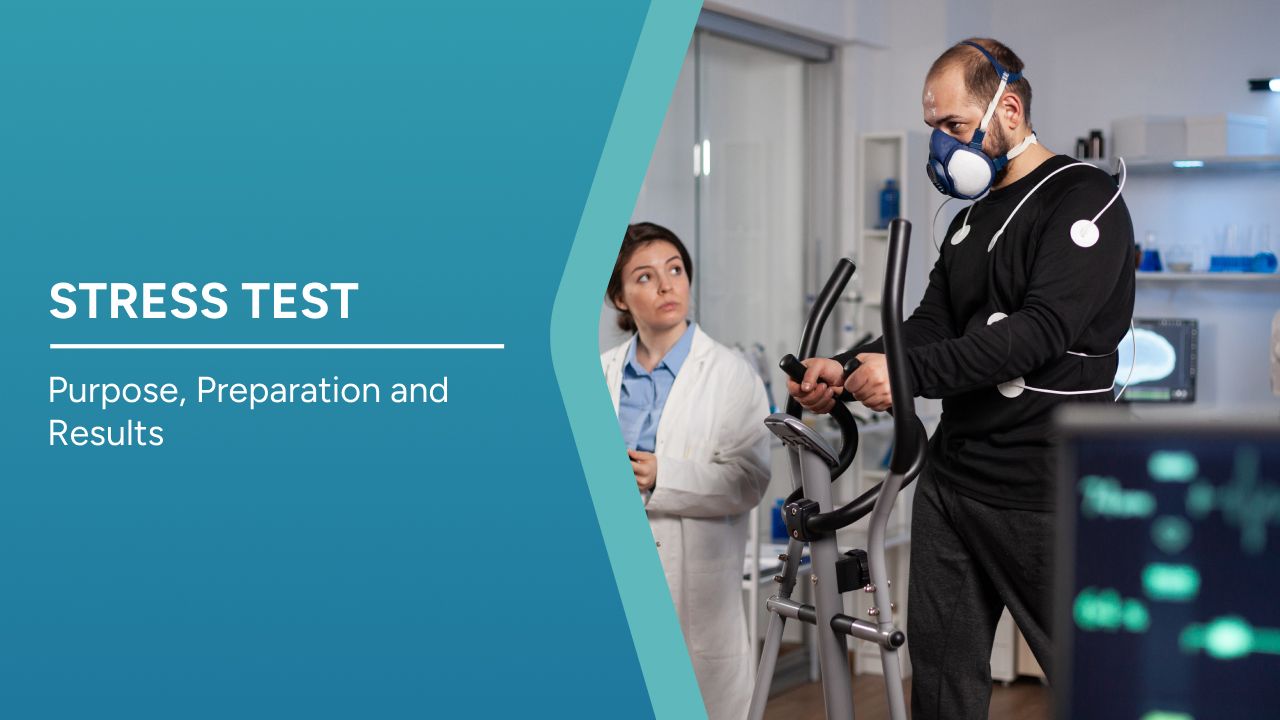
Stress Test: What It Reveals About Your Heart Health
By Dr. Sameer Pagad in Invasive Interventional Cardiology Unit
Aug 05 , 2026 | 8 min read

Cardiac disease remains the leading cause of death globally, claiming millions of lives annually. Yet many people don't realize they have silent heart disease until a heart attack strikes-at which point prevention opportunities have passed. Stress testing changes this narrative by revealing hidden cardiac problems before symptoms become dangerous.
A cardiac stress test is a non-invasive diagnostic procedure that evaluates how your heart performs under controlled physical or chemical stress. While resting heart rate and blood pressure provide baseline information, they often fail to reveal underlying coronary artery disease, reduced blood flow, or dangerous arrhythmias that only emerge when the heart works harder. By monitoring your heart's electrical activity and physical response to increased oxygen demand, stress tests uncover problems that standard exams miss-providing the diagnostic clarity needed to prevent life-threatening cardiac events.
What is a Cardiac Stress Test?
A cardiac stress test (also called an exercise stress test or treadmill test) is a diagnostic procedure that records your heart's electrical activity and physical response during controlled physical exertion. The test works on a simple principle: the heart reveals its true health status when working hard, not at rest.
How Stress Tests Work:
During a stress test, your heart's workload increases through either exercise (walking on a treadmill) or medications (chemical stress). As your heart rate rises and demands more oxygen, doctors monitor:
- Electrical activity via 12-lead electrocardiogram (ECG)
- Blood pressure changes throughout the procedure
- Heart rate response and recovery
- Physical symptoms (chest pain, shortness of breath, dizziness)
- Blood flow to heart muscle (via imaging in some tests)
Know More about the Difference Between a Heart Attack and Cardiac Arrest
Why Do Doctors Recommend a Stress Test?
Physicians use this assessment to evaluate heart performance under physical pressure. The procedure is vital for several clinical reasons:
1. Diagnosing Coronary Artery Disease (CAD)
- Chest pain during exercise or exertion is a classic CAD symptom
- Stress test reveals if chest pain is heart-related or due to other causes
- Detects narrowed or blocked coronary arteries before they cause a heart attack
- ~70% of patients with typical angina symptoms have abnormal stress test results
2. Identifying Arrhythmias (Irregular Heart Rhythms)
- Some arrhythmias only appear during physical activity
- Stress testing captures these exercise-induced rhythm abnormalities
- Critical for patients experiencing palpitations, syncope (fainting), or lightheadedness
3. Assessing Exercise Capacity & Safety
- Post-heart attack or post-surgical recovery: determines safe exercise limits
- Pre-operative evaluation: assesses cardiac risk before elective surgery
- Athletes or high-activity individuals: ensures cardiac fitness for demands
4. Evaluating Treatment Effectiveness
- After cardiac medications prescribed: stress test shows if drugs are working
- Post-angioplasty or stent placement: confirms revascularization success
- Helps adjust medication doses based on functional improvement
5. Risk Stratification in Symptomatic Patients
- Determines if a chest pain patient needs immediate intervention (catheterization)
- Classifies patients as low, intermediate, or high risk for cardiac events
- Guides treatment intensity and follow-up monitoring
Read More about the ECG Vs ECHO
Types of Cardiac Stress Test: Choosing the right test
Different cardiac conditions require different stress test methods. Your cardiologist selects the most appropriate test based on your medical history, physical ability, and clinical question.
|
Test Type |
How It Works |
Best For |
Duration |
|
Exercise Stress Test (Treadmill) |
Walking/running on treadmill with gradually increasing speed & incline while ECG & vital signs monitored |
Patients able to exercise; standard screening |
10-20 minutes |
|
Stress Echocardiogram |
Exercise stress test combined with ultrasound to visualize heart wall & valve motion during stress |
Patients with baseline ECG abnormalities; wall motion assessment needed |
20-40 minutes |
|
Nuclear Stress Test (Myocardial Perfusion Imaging) |
Radioactive tracer injected; camera detects blood flow to heart muscle during stress & rest |
Detailed blood flow assessment; detecting ischemia |
60-90 minutes (including waiting) |
|
Pharmacological Stress Test |
Medications (adenosine, regadenoson, dobutamine) simulate stress response without exercise |
Unable to exercise; arthritis, weak legs, severe deconditioning |
30-60 minutes |
|
Stress MRI/CT |
Advanced imaging during stress; rarely used; requires specialized equipment |
Research settings; complex diagnostic questions |
45-60 minutes |
Learn More about the Silent Heart Attacks: What Are They and How to Detect
Understanding Stress Test Results
Stress test results provide multiple data points about your heart health. Understanding what these markers reveal helps you have informed conversations with your cardiologist.
Key Markers in Stress Test Results:
1. ST Segment Changes (ECG)
- ST segment: part of ECG waveform reflecting the heart's electrical recovery
- ST depression or elevation during stress: indicates inadequate blood flow (ischemia)
- Degree of change: predicts severity of coronary artery disease
2. Heart Rate Response
- Normal response: heart rate increases proportionally with exercise intensity
- Blunted response: failure to increase adequately may indicate cardiac dysfunction
- Chronotropic incompetence: inability to achieve target heart rate; associated with worse prognosis
3. Heart Rate Recovery (HRR)
- Measure: how quickly heart rate drops in first minute after stopping exercise
- Normal: heart rate drops 12-25 bpm in first minute (normal vagal tone)
- Abnormal: slower recovery (<12 bpm drop) indicates autonomic dysfunction, worse cardiac prognosis
4. Blood Pressure Response
- Expected: systolic BP increases 10-20 mmHg per metabolic equivalent (MET) during exercise
- Abnormal: excessive rise (>240 mmHg systolic) or drop = concern for hypertensive response or cardiac dysfunction
- Prognostic value: BP response predicts long-term outcomes
5. Exercise Capacity (Duration & Workload)
- How long patient exercises before stopping (limited by symptoms or target heart rate reached)
- Measured in METs (metabolic equivalents): 1 MET = resting oxygen consumption
- Good prognosis: achieving ≥10 METs; poor prognosis: achieving <5 METs
6. Symptoms During Test
- Chest pain, shortness of breath, or dizziness during exercise may indicate ischemia
- Correlation with ECG changes: if symptoms occur with ST changes, highly specific for CAD
- Absence of symptoms with abnormal ECG: still significant but less classic presentation
7. Ischemic Changes (Blood Flow)
- In nuclear stress tests: perfusion defects = areas with reduced blood flow
- Reversible defects: temporary ischemia during stress (indicates critical narrowing)
- Fixed defects: permanent scar from prior heart attack
Normal vs. Abnormal Stress Test Results
Normal (Negative) Stress Test Results:
- No ST segment changes on ECG
- No chest pain or significant dyspnea during test
- Appropriate heart rate and blood pressure response to exercise
- Normal heart rate recovery
- Exercise capacity appropriate for age and fitness
- Normal blood flow on imaging (if nuclear test)
- Interpretation: Low risk for significant coronary artery disease; excellent prognosis
Abnormal (Positive) Stress Test Results:
- ST segment depression or elevation ≥1 mm (indicates ischemia)
- Chest pain, pressure, or discomfort during exercise (typical angina)
- Significant dyspnea (shortness of breath) preventing exercise
- Excessive blood pressure drop (drop of >10-20 mmHg during exercise)
- Blunted heart rate response (chronotropic incompetence)
- Abnormal heart rate recovery (<12 bpm drop in first minute)
- Perfusion defects on nuclear imaging (indicates reduced blood flow)
- Interpretation: Suggests significant coronary artery disease; may require further testing (coronary catheterization, angiography)
How to Prepare for Cardiac Stress Test
Following specific preparatory steps before the appointment ensures the collected data is precise and useful for diagnosis:
- Avoid caffeine: Do not consume coffee, tea, energy drinks, or chocolate for at least 24 hours if advised, as stimulants can alter heart rate data.
- Medication review: Consult your doctor about current prescriptions. Some patients may be asked to temporarily pause beta-blockers or heart medications that might affect the results.
- Wear appropriate clothing: Choose comfortable, loose-fitting clothes and sturdy walking or running shoes suitable for treadmill use.
- Fast as directed: Avoid heavy meals for a few hours before the test to prevent digestive discomfort during physical exertion.
What to Expect During Your Stress Test
The procedure follows a strict medical protocol to ensure accuracy and patient comfort. The following steps outline the typical experience during the appointment:
- Preparation: A technician places electrodes on the chest to monitor the ECG and fits a blood pressure cuff to the arm.
- Escalation: In many cases, the treadmill's speed and incline increase gradually at set intervals to raise the heart rate steadily.
- Peak moment: The activity continues until the patient reaches a target heart rate, develops limiting symptoms, or can no longer comfortably maintain the pace.
- Cool down: Monitoring continues for several minutes after exercise stops to ensure the heart rate and blood pressure return to safe levels.
Choosing the Right Stress Test for Specific Insights
Different medical histories require different testing methods to gather the most accurate data. Specialists at Nanavati Max Super Speciality Hospital select the most appropriate format based on a patient's physical ability:
- Exercise stress test (treadmill): This standard method involves walking on a treadmill that gradually increases in speed and incline.
- Stress echocardiogram: This version combines the treadmill test with an ultrasound to record how the heart’s walls and valves move while under pressure.
- Nuclear stress test: A small amount of tracer helps create images of blood flow, highlighting areas where blood may not reach the heart muscle properly.
- Pharmacological stress test: For patients unable to use a treadmill, specific medications mimic the effects of physical exertion on the heart.
Is a Stress Test Safe for Everyone?
A stress test is generally safe because it happens under strict medical supervision. A cardiologist and trained technicians monitor vitals throughout the session. However, the test is not suitable for every patient. Those with unstable angina, severe aortic stenosis, uncontrolled arrhythmias, or a very recent heart attack may need alternative evaluation.
While mild shortness of breath and fatigue are normal consequences of exercise, the medical team stops the test immediately if serious symptoms or significant ECG changes occur. Safety remains the primary concern during every stage of the assessment.
Read More about the First signs of stroke in women
Conclusion
A stress test serves as an important roadmap for managing cardiovascular health by offering insights that a simple physical exam may not provide. Evaluating how the heart functions under demand allows patients and doctors to make informed decisions about treatments, lifestyle changes, and exercise safety. These findings help create personalised care plans that address specific risks and health goals. If you experience chest pain, breathlessness, or have a family history of heart disease, schedule a consultation to see if a stress test is a necessary step for your well-being.
Frequently Asked Questions
1. Does a false positive happen often?
False positives can occur, especially in patients with a low risk of heart disease. If results are unclear, doctors may recommend further imaging or alternative tests.
2. How long do the results take to come back?
Preliminary findings may be available soon after the session, but a detailed report from the cardiologist typically takes 24 to 48 hours to complete.
3. Can a stress test predict a future heart attack?
The test cannot predict the future with total certainty, but it can identify current signs of reduced blood flow or blockages that may increase the risk of a future cardiac event.
4. How long can I continue exercising after the test?
If results are normal: You can resume normal activity immediately. If abnormal: Restrictions depend on findings; your cardiologist will specify safe limits.
5. How often should I get stress tests?
Depends on results, symptoms, and risk factors. Low-risk normal results: repeat every 2-5 years. High-risk: more frequent monitoring.
6. Is it normal to feel chest tightness during a stress test?
Mild discomfort is normal with exertion. Significant chest pain is abnormal and may indicate ischemia; test stopped immediately.

Written and Verified by:

Related Blogs
Dr. Sushant C Patil In Invasive Interventional Cardiology Unit
Oct 06 , 2026 | 7 min read

Dr. Praveen Kulkarni In Invasive Interventional Cardiology Unit
Sep 29 , 2026 | 7 min read

Dr. Sameer Pagad In Invasive Interventional Cardiology Unit
Aug 05 , 2026 | 5 min read
Blogs by Doctor
Managing Low Blood Pressure with Simple Remedies
Dr. Sameer Pagad In Invasive Interventional Cardiology Unit
Aug 05 , 2026 | 5 min read
Most read Blogs



Related Blogs
Dr. Sushant C Patil In Invasive Interventional Cardiology Unit
Oct 06 , 2026 | 7 min read
Dr. Praveen Kulkarni In Invasive Interventional Cardiology Unit
Sep 29 , 2026 | 7 min read
Dr. Sameer Pagad In Invasive Interventional Cardiology Unit
Aug 05 , 2026 | 5 min read
Blogs by Doctor
Managing Low Blood Pressure with Simple Remedies
Dr. Sameer Pagad In Invasive Interventional Cardiology Unit
Aug 05 , 2026 | 5 min read
Most read Blogs