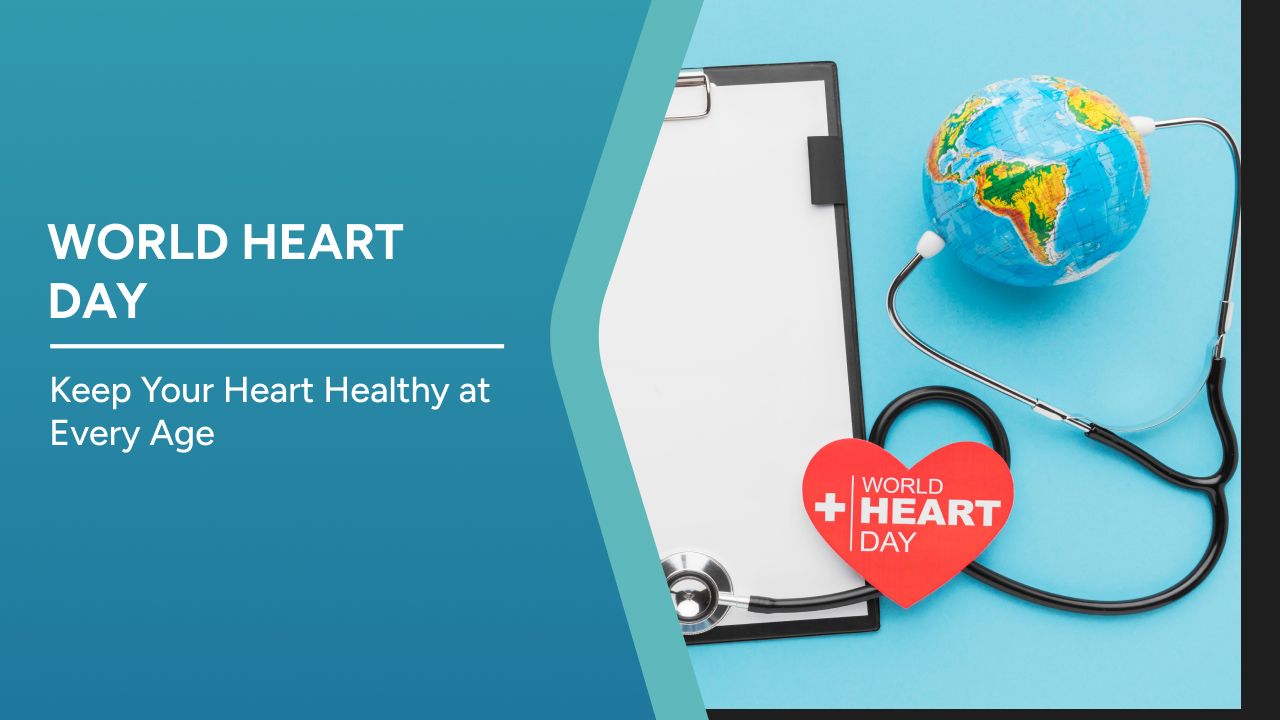
World Heart Day: How to Keep Your Heart Healthy at Every Age
By Dr. Praveen Kulkarni in Invasive Interventional Cardiology Unit
Sep 29 , 2026 | 7 min read

You may feel fit, stay active and have no obvious heart-related symptoms. Even then, high blood pressure, raised cholesterol or diabetes can develop quietly and increase cardiovascular risk over time. These risks may also change as you grow older and your lifestyle, family history and existing health conditions begin to play a bigger role.
World Heart Day, observed on 29 September, reminds us to pay attention to heart health before problems become serious. Protecting your heart involves healthy daily habits, regular health checks and timely medical care when needed. Knowing what to focus on at different ages can help you make practical choices that support long-term cardiovascular health.
Quick AnswerKeeping your heart healthy involves regular physical activity, a balanced diet, avoiding tobacco and maintaining a healthy weight. Blood pressure, blood glucose and cholesterol also need appropriate monitoring. Heart-health priorities can change with age. Healthy habits should begin early, while medical risk factors require greater attention as you grow older. |
Why Does Heart Health Matter at Every Age?
Cardiovascular diseases affect the heart and blood vessels. They include coronary artery disease, stroke, heart failure and several other conditions. Heart-health risks can develop gradually through a combination of age, family history, lifestyle and medical conditions. Smoking, physical inactivity, an unhealthy diet and excess alcohol can contribute to high blood pressure, abnormal cholesterol, diabetes and excess weight. Some of these changes may develop without noticeable symptoms. Regular preventive care can therefore help identify cardiovascular risks before complications occur.
What to Know?Heart health deserves attention even when you feel well, because several cardiovascular risk factors can remain symptomless. |
How Heart Health Priorities Change With Age
Heart-health needs can change as you grow older. Healthy habits remain important throughout life, while monitoring and medical follow-up become more relevant as cardiovascular risk factors increase.
- Children and Teenagers: Regular physical activity, balanced nutrition and maintaining a healthy weight can support long-term heart health. Children with obesity, diabetes, high blood pressure, congenital heart conditions or a strong family history may need medical follow-up.
- 20s and 30s: This stage is important for building habits that support long-term cardiovascular health. Stay active, avoid tobacco, maintain a healthy weight and understand your family history. Check blood pressure periodically, and consider cholesterol and blood glucose testing based on individual risk.
- 40s and 50s: Cardiovascular risk may increase as the effects of high blood pressure, diabetes, smoking, inactivity or abnormal cholesterol accumulate. Regular health reviews can help assess these factors together and guide preventive care.
- 60s and Beyond: Regular monitoring, treatment adherence and physical activity become particularly important. Aerobic, strength and balance exercises can support heart health and mobility. New breathlessness, leg swelling, fainting, palpitations, or reduced exercise tolerance should be medically assessed.
Understanding these changing priorities can help you focus on the right preventive measures and medical checks at each stage of life.
How Much Exercise Does Your Heart Need?
Regular physical activity supports cardiovascular fitness, blood pressure control, weight management and overall health.
Most adults should aim for 150 to 300 minutes of moderate-intensity aerobic activity each week. Another option is 75 to 150 minutes of vigorous activity. You can also include muscle-strengthening activities during the week.
Walking, cycling, swimming, sport and active daily tasks can contribute to these targets. Increase activity gradually if you have been inactive. People with significant heart disease or other medical conditions should discuss a new exercise programme with their healthcare team.
What Should a Heart-Healthy Diet Include?
A heart-healthy diet should focus on foods that support healthy weight, blood pressure, blood glucose and cholesterol levels.
- Eat More Fruits and Vegetables: Include a variety of fresh fruits and vegetables in your daily meals.
- Choose Whole Grains and Pulses: Whole grains, dals, beans and other pulses can support a balanced eating pattern.
- Include Nuts in Moderation: Nuts can be part of a heart-supportive diet when consumed in suitable portions.
- Limit Excess Salt: Reduce foods such as pickles, papads, namkeen, sauces, packaged snacks and heavily salted restaurant meals.
- Reduce Added Sugar: Limit sugary drinks, sweets and foods with high amounts of added sugar.
- Limit Unhealthy Fats: Reduce frequent intake of foods high in saturated and trans fats.
- Watch Portion Sizes: Eating appropriate portions can support weight and overall cardiovascular health.
Following these habits consistently can support better control of weight, blood pressure, blood glucose and cholesterol.
Why Should You Monitor Blood Pressure, Sugar and Cholesterol?
High blood pressure often develops without noticeable symptoms. Measuring it is therefore important for identifying hypertension and assessing cardiovascular risk.
Blood glucose can help identify diabetes or problems with glucose control. Cholesterol tests provide information about blood fats that can contribute to cardiovascular disease.
Doctors interpret these results alongside age, weight, smoking history, family history and existing health conditions. Looking at the complete risk profile can help determine whether lifestyle changes, monitoring or treatment is needed.
Doctor's NoteCardiovascular risk depends on several factors, so assess blood pressure, cholesterol, blood glucose, and lifestyle together. |
Read More about - Healthy Lifestyle Tips for Preventing Lifestyle Diseases
Which Lifestyle Factors Can Affect Heart Health?
Several everyday habits can influence cardiovascular risk over time. Addressing them can support heart health at different ages.
Tobacco Use
Smoking and other forms of tobacco use can damage the heart and blood vessels. Exposure to second-hand smoke can also affect cardiovascular health. Stopping tobacco use can reduce cardiovascular risk. People who find quitting difficult can discuss structured cessation support with a healthcare professional.
Sleep and Stress
Poor sleep and ongoing stress can affect blood pressure, eating habits, physical activity and overall health. Maintaining regular sleep and using practical stress-management strategies can support cardiovascular care.
Alcohol
Alcohol should not be started for presumed heart-health benefits. Excess alcohol use can contribute to high blood pressure and other cardiovascular problems. People with heart disease or those taking medicines that interact with alcohol should follow individual medical advice.
When Should You Have a Heart Check-Up?
The need for a heart check-up depends on your age, symptoms, blood pressure, cholesterol, diabetes status, smoking history, family history and existing health conditions. A doctor may recommend tests based on your individual cardiovascular risk. Assessment can include blood tests, an ECG, echocardiography, stress testing or other investigations when clinically appropriate.
At Nanavati Max Super Speciality Hospital, the Heart Institute provides cardiovascular assessment through non-invasive cardiology and diagnostic services. Further evaluation or specialist treatment can be planned according to symptoms and individual cardiovascular risk. Regular follow-up is particularly important if you already have hypertension, diabetes, abnormal cholesterol, coronary artery disease or another cardiovascular condition.
When Should Heart Symptoms Be Treated as an Emergency?
Some cardiovascular problems can develop suddenly and require immediate medical care.
Seek urgent medical attention for:
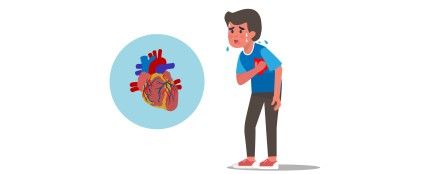
- New or severe chest pain or pressure
- Severe breathlessness
- Fainting or loss of consciousness
- Chest discomfort with sweating or nausea
- Pain spreading to the arm, shoulder, jaw or back
- Sudden severe weakness or marked deterioration
These symptoms can indicate a heart attack or another serious cardiovascular problem.
Emergency Decision PointNew chest pressure, severe breathlessness, fainting or symptoms suggesting a heart attack require immediate emergency medical attention. |
Key Takeaway
- World Heart Day is observed on 29 September.
- Heart-health habits should begin early and continue throughout life.
- Regular physical activity and a balanced diet can support cardiovascular health.
- Avoid tobacco and limit harmful alcohol use.
- Monitor blood pressure, blood glucose and cholesterol when appropriate.
- Existing hypertension, diabetes and cholesterol problems require continued management.
- Heart-health priorities can change with age and medical history.
- New chest pain, severe breathlessness or fainting requires urgent assessment.
Conclusion
Heart health requires attention throughout life because cardiovascular risks can develop before symptoms appear. Children and teenagers benefit from healthy activity and nutrition, while younger adults should establish healthy habits and understand their family history. Blood pressure, blood glucose, cholesterol and existing medical conditions become increasingly important areas of attention during midlife and later years.
World Heart Day reinforces the value of staying active, eating well, avoiding tobacco and monitoring cardiovascular risk factors. Existing heart-related conditions also require regular treatment and follow-up. Knowing your individual risk and recognising warning signs such as chest pain, severe breathlessness or fainting can help you seek appropriate medical care when needed.
Frequently Asked Questions
1. When Is World Heart Day?
World Heart Day is observed every year on 29 September. It aims to increase awareness about cardiovascular health and heart-disease prevention.
2. Can Young People Develop Heart Disease?
Heart and cardiovascular conditions can also affect younger people. High blood pressure, diabetes, obesity, smoking, inherited cholesterol disorders and some congenital conditions can increase risk.
3. How Much Exercise Is Good for the Heart?
Most adults should aim for 150 to 300 minutes of moderate-intensity aerobic activity each week. Exercise needs may vary according to health conditions and fitness levels.
4. How Can I Know if My Blood Pressure Is High?
High blood pressure may not cause noticeable symptoms. Measuring your blood pressure is the appropriate way to determine whether it is elevated.
5. When Should I See a Cardiologist?
Medical evaluation may be appropriate if you have cardiovascular symptoms, abnormal test results, significant risk factors or a strong family history of heart disease. Sudden chest pain or severe breathlessness requires urgent medical attention.
Disclaimer
This information is intended for educational purposes and does not replace professional medical advice, diagnosis or treatment. Cardiovascular screening and treatment needs vary according to age, symptoms, medical history and individual risk factors. Consult a qualified healthcare professional for appropriate evaluation and care.

Written and Verified by:

Related Blogs
Dr. Sushant C Patil In Invasive Interventional Cardiology Unit
Oct 06 , 2026 | 7 min read

Dr. Sameer Pagad In Invasive Interventional Cardiology Unit
Aug 05 , 2026 | 5 min read

Blogs by Doctor

TMT Test: How It Works, When You Need It & What the Results Mean
Dr. Praveen Kulkarni In Vascular and Interventional Radiology
Aug 05 , 2026 | 6 min read
Most read Blogs



Related Blogs
Dr. Sushant C Patil In Invasive Interventional Cardiology Unit
Oct 06 , 2026 | 7 min read
Dr. Sameer Pagad In Invasive Interventional Cardiology Unit
Aug 05 , 2026 | 5 min read
Blogs by Doctor
TMT Test: How It Works, When You Need It & What the Results Mean
Dr. Praveen Kulkarni In Vascular and Interventional Radiology
Aug 05 , 2026 | 6 min read
Most read Blogs