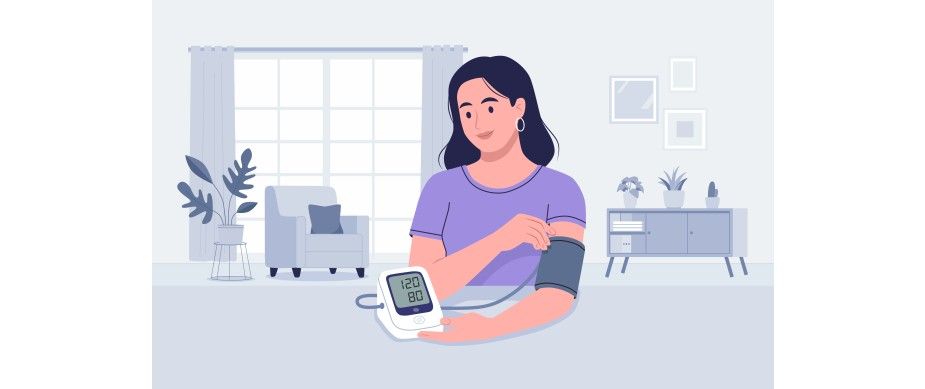
Managing Low Blood Pressure with Simple Remedies
By Dr. Sameer Pagad in Invasive Interventional Cardiology Unit
Aug 05 , 2026 | 5 min read

If you’ve ever felt dizzy after standing up too fast or suddenly weak in the middle of a regular day, you're not alone. Many people experience low blood pressure but often don't know what causes it or how to manage it. In such a situation, low blood pressure remedies can help you take care of it. And yes, some of them are simple things you can do right at home.
What is Low Blood Pressure?
Let’s start with what low blood pressure (BP) means. Doctors call it hypotension, and it usually refers to blood pressure readings lower than 90/60 mm Hg. It occurs when the heart isn’t pushing blood around the body hard enough. And when that happens, your brain and other important organs might not get enough oxygen and nutrients.
Not everyone with low BP experiences symptoms. But if you’re often tired, dizzy, or fainting, it’s worth paying attention. Low BP becomes a real concern when these symptoms start getting in the way of your daily life. In some cases, it can point to other health problems.
Common Causes of Low Blood Pressure
There could be more than one reason your BP might be falling lower than usual. And it’s often the result of a mix of small things going wrong.
- Dehydration is one of the most common. If you aren’t drinking enough water, especially in hot and humid weather, your blood volume goes down, which can drop your BP too.
- Not consuming nutrients like iron, vitamin B12, and folate, nutrients that keep your blood healthy, can cause a dip in your BP.
- Certain medicines, like those for high BP or depression, might have side effects that lower your BP more than needed. And if you’ve got heart problems, that could also be behind it.
Symptoms to Watch For
If you’re feeling lightheaded, especially after standing up too quickly, that’s a classic sign. Some people faint out of the blue, while others just feel constantly drained. Your vision might go blurry, or you might feel your skin get cold and sweaty even when it’s not hot around you.
These symptoms are the body’s way of asking for help. They’re telling you that your brain might not be getting enough blood at that moment. If this happens regularly, it’s needs to be checked by a doctor.
Home Remedies for Low Blood Pressure
You don’t always need medication to fix low BP. Often, small lifestyle changes can help reduce your blood pressure to a healthier level. These blood pressure low remedies are safe, practical, and easy to do at home.
Increase Salt Intake (Cautiously)
Salt can help raise your BP by increasing sodium levels in your blood. But don’t go overboard. If you’ve got heart problems or kidney issues, too much salt can backfire.
For others, adding a bit more salt to daily meals can help. A glass of salted buttermilk is also a nice option during hot days. Just remember that balance is key.
Drink Plenty of Fluids
One of the simplest ways to manage low BP is to stay well-hydrated. Water is great, but you can also go for ORS, coconut water, beetroot juice, ginger tea, or even lemonade.
These drinks help maintain your blood volume and prevent sudden dips in pressure. Especially during summer or if you’ve had a stomach infection, upping your fluid intake is a smart move.
Eat Small, Frequent Meals
Big meals can sometimes make your blood pressure drop, especially in older adults. That’s why breaking your meals into smaller, more frequent portions can really help.
Wear Compression Stockings
This one’s not talked about often, but it’s effective. Compression stockings gently squeeze your legs to help blood move back up toward your heart. They’re useful if your BP drops when you’re standing for long hours or getting out of bed.
You don’t need a prescription for them, but it’s a good idea to ask your doctor which type would suit you best.
Avoid Sudden Position Changes
Many people feel dizziness when they suddenly stand up from lying down or sitting. It’s called postural hypotension, and it’s common, especially in older adults or those recovering from illness.
The fix is to take your time. Sit for a moment before standing up. If you’ve been lying down, move to a sitting position and wait a few seconds before getting up. Stretching your legs a bit can also help improve circulation before you move.
Read More about the Healthy Lifestyle Tips
When to Seek Medical Help
There’s a difference between occasional low BP and something that needs medical attention. If your symptoms happen often or are affecting your daily life, it’s best to consult a doctor.
Conclusion
Low blood pressure might seem less talked about than high BP, but it can interfere with your daily life just as much. From staying hydrated to eating right, small changes go a long way. And remember, if you’re unsure whether your symptoms are harmless or something more, seek guidance from a doctor.
At Nanavati Max Super Speciality Hospital, expert cardiologists and internal medicine specialists provide comprehensive evaluation and treatment for all blood pressure-related conditions using advanced diagnostic tools. From regular check-ups to in-depth cardiac care, our multidisciplinary team can help you.
Frequently Asked Questions
1. Is low BP dangerous?
Not always, but it can be if it causes fainting or if it’s a sign of another health issue. If it interferes with daily life, get it checked.
2. Can it be cured permanently?
It depends on the cause. For some, it’s temporary. For others, it's about ongoing management with food, fluids, and lifestyle changes.
3. How to raise BP if it's low?
Lie down, lift your legs slightly, drink water or ORS, and eat something salty. If it continues to happen, consult a doctor.
4. What is the lowest blood pressure that is safe?
Anything below 90/60 mm Hg is considered low. But whether it’s safe depends on how you feel and what your doctor says.
5. What is eaten when BP is low?
Go for foods that are salty and rich in iron or vitamin B12. Examples include moong dal chilla, mutton curry, rajma chawal, eggs, paneer bhurji, and bananas.
6. Is a banana good for low BP?
Yes, bananas help maintain fluid balance and are a good energy boost.
7. How to increase BP naturally?
Stay hydrated, eat balanced meals, and add a little extra salt (if allowed). Also, move slowly from sitting or lying down positions.
8. How to treat low blood pressure?
A general physician is usually the first person to consult. If the symptoms are frequent or severe, they might refer you to a cardiologist or an internal medicine specialist for further evaluation and treatment.
9. How to treat low blood pressure after surgery?
Treatment depends on the cause, but it often includes drinking plenty of fluids, eating small and frequent meals, and getting enough rest. Doctors may also give medications if needed.
10. How to treat low blood pressure in teenagers?
Often it’s temporary. Eating good meals, drinking more water, and avoiding long gaps between meals can help. If the situation worsens, it is better to consult a doctor.

Written and Verified by:

Related Blogs
Dr. Sushant C Patil In Invasive Interventional Cardiology Unit
Oct 06 , 2026 | 7 min read
Dr. Praveen Kulkarni In Invasive Interventional Cardiology Unit
Sep 29 , 2026 | 7 min read

Blogs by Doctor
Stress Test: What It Reveals About Your Heart Health
Dr. Sameer Pagad In Invasive Interventional Cardiology Unit
Aug 05 , 2026 | 8 min read
Most read Blogs



Related Blogs
Dr. Sushant C Patil In Invasive Interventional Cardiology Unit
Oct 06 , 2026 | 7 min read
Dr. Praveen Kulkarni In Invasive Interventional Cardiology Unit
Sep 29 , 2026 | 7 min read
Blogs by Doctor
Stress Test: What It Reveals About Your Heart Health
Dr. Sameer Pagad In Invasive Interventional Cardiology Unit
Aug 05 , 2026 | 8 min read
Most read Blogs