
Understanding the Role of an Oncologist: What You Need to Know
By Dr Vaibhav Choudhary in Gynaecological Oncology Program
Aug 03 , 2026 | 4 min read

What is an Oncologist?
An Oncologist is a specialist in diagnosing and treating cancer. They have years of medical training, exclusively focusing on cancer care. They provide different treatments and therapies, making sure patients get the best care suited to their needs.
Types of Oncologists
There are various types of oncologists, as per their specialisation and scope of work.
Medical Oncologist
A medical oncologist treats cancer using chemotherapy, hormonal therapies, biological therapies, and other targeted treatments.
Radiation Oncologist
These specialists use radiation therapy to target cancer cells. Radiation therapy can be used alone or with other cancer treatments to manage effectively.
Surgical Oncologist
Surgical oncologists perform operations to remove tumours and the surrounding tissue.
Pediatric Oncologist
These oncologists specialise in diagnosing and treating cancer in children.
Gynecologic Oncologist
These specialists focus on cancers of the female reproductive system, including ovarian cancer, uterine cancer, and cervical cancer.
Hematologist-Oncologist
These doctors specialise in cancers of the blood and related diseases, such as Leukaemia, Lymphoma, and Myeloma.
When to Visit an Oncologist?
Knowing when to visit an oncologist can help you detect and diagnose cancer promptly.
Analyse the Symptoms and Conditions
Check for signs like losing weight without trying, feeling very tired, sudden health changes, lumps on the body, or unexplained bleeding. Noticing these signs early and consulting with an oncologist are the first important steps.
How to Get a Referral to an Oncologist
Most people are referred to an oncologist by another specialist after cancer detection. A referral is usually needed so the oncologist has all the necessary information to make a correct diagnosis and treatment plan.
Read More about the Different Types of Doctors & Their Roles Explained
What Does an Oncologist Do?
Oncologists provide comprehensive care from diagnosis to treatment. The process includes:
Diagnosis of Cancer
The diagnosis often begins with a review of patient history and a physical examination, followed by diagnostic tests like biopsies, blood tests, X-rays, CT scans, and MRIs. These tools help oncologists determine the type of cancer and its stage.
Treatment Planning and Management
Oncologists develop a treatment plan based on the cancer type, stage, and patient's health. This plan may include chemotherapy, radiation therapy, and surgical oncology approaches tailored to the patient's specific needs.
Ongoing Monitoring and Follow-Up Care
After treatment, oncologists provide ongoing monitoring and follow-up to prevent recurrence.
How to Choose the Right Oncologist?
Selecting the right oncologist relies on multiple factors.
Important factors include the oncologist’s experience, areas of specialisation, and affiliations with reputable hospitals or cancer treatment centres. Patients should also consider the oncologist’s approach to care and communication, making sure they feel comfortable and informed.
Advancements in Oncology Treatments
Recent developments in oncology offer new hope for cancer patients. Let's check out some of them in detail.
Immunotherapy
This treatment uses the body’s immune system to fight cancer, offering an alternative to traditional treatments like chemotherapy and radiation therapy.
Targeted Therapy
These therapies target specific genes or proteins that contribute to cancer growth and spread, differing from traditional methods that affect quickly dividing cells.
Know More about Cancer Prevention: How Can a Healthy Lifestyle or Diet
Related Specialists Who Work with Oncologists
Cancer treatment often involves a multidisciplinary team, which includes inputs from specialists like;
Haematologists
These specialists treat blood-related concerns, working closely with oncologists to provide comprehensive care.
Palliative Care Specialists
They focus on improving the quality of life for patients through pain management and symptom relief, often working alongside oncologists to address the broader needs of cancer patients.
What to Expect During Your First Visit to an Oncologist
Patients can prepare for their first oncology visit by gathering all medical records, test results, and a list of prescribed medications. It’s also helpful to prepare a list of questions or concerns to discuss during the consultation.
Learn more about What are 10 Ways to Prevent Cancer?
Conclusion
Oncologists are essential in diagnosing, treating, and managing cancer, and we at Nanavati Max Super Speciality Hospital understand that. Choosing the right oncologist and understanding the advancements in cancer treatments can significantly impact the care and outcome of cancer patients. This comprehensive blog aims to equip you with the knowledge needed to navigate the complexities of oncology care.
Disclaimer: The information provided in this blog is for educational purposes only and does not substitute professional medical advice. Always consult a qualified healthcare provider for diagnosis and treatment.
Frequently Asked Questions
1. Do oncologists treat all types of cancer?
Yes, oncologists are doctors who treat all kinds of cancer. Some oncologists specialise in specific types of cancer, like breast cancer or lung cancer. Depending on your cancer type, you might see different oncologists who focus on treating it with medicine, surgery, or radiation.
2. What disease is under oncology?
Oncology is the part of medicine that deals with cancer. Cancer is a group of diseases where somebody cells grow out of control, spread to other parts of the body, and can harm normal tissue.
3. How long does cancer treatment take with an oncologist?
How long you need cancer treatment can vary a lot. It depends on the kind of cancer you have, how early it was found, the treatment you're getting, and how well it's working. Treatment can be as short as one day or last many months or even years. Your oncologist will tell you how long your treatment might take.
4. How often should I follow up with my oncologist after treatment?
After your cancer treatment ends, you'll need to see your oncologist regularly to check if the cancer is coming back. At first, these visits might be every few months. If you keep doing well, the visits could be less often.
5. What should I bring to my first appointment with an oncologist?
When you go to see your oncologist for the first time, bring:
- All your medical records related to your cancer.
- Any test results, like X-rays or lab tests.
- A list of medicines you are taking.
- Questions you want to ask about your cancer and its treatment.
- It's also a good idea to bring someone with you to help remember the information and for moral support.
References
1. American Society of Clinical Oncology. (2023). The Oncology Team.https://www.cancer.net/navigating-cancer-care/cancer-basics/cancer-care-team
2. National Cancer Institute. (2022). Dictionary of Cancer Terms: Oncologist.
https://www.cancer.gov/publications/dictionaries/cancer-terms/def/oncologist
3. World Health Organization. (2024). Early Diagnosis of Cancer.
https://www.who.int/news-room/fact-sheets/detail/cancer

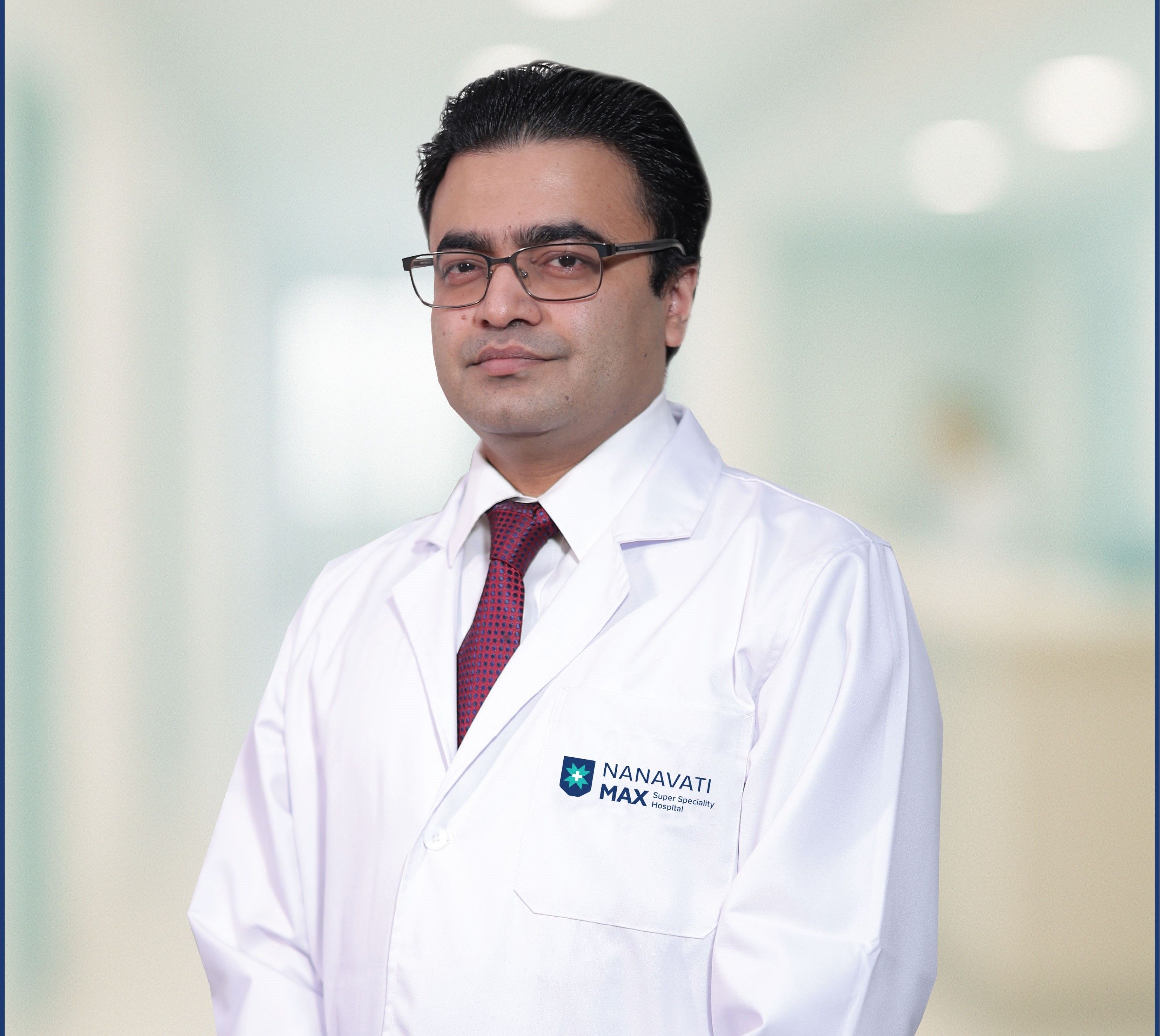
Written and Verified by:
Related Blogs


Dr. Hemant B. Tongaonkar In Gynaecological Oncology Program , Nanavati Max Institute of Cancer Care
Aug 04 , 2026 | 2 min read

Dr. Hemant B. Tongaonkar In Gynaecological Oncology Program
Aug 03 , 2026 | 9 min read
Blogs by Doctor

Surgical Oncologist vs Medical Oncologist: Understanding Their Roles in Cancer Treatment
Dr Vaibhav Choudhary In Medical Oncology
Aug 05 , 2026 | 4 min read
Most read Blogs



Related Blogs
Dr. Hemant B. Tongaonkar In Gynaecological Oncology Program , Nanavati Max Institute of Cancer Care
Aug 04 , 2026 | 2 min read
Dr. Hemant B. Tongaonkar In Gynaecological Oncology Program
Aug 03 , 2026 | 9 min read
Blogs by Doctor
Surgical Oncologist vs Medical Oncologist: Understanding Their Roles in Cancer Treatment
Dr Vaibhav Choudhary In Medical Oncology
Aug 05 , 2026 | 4 min read
Most read Blogs