
Surgical Oncologist vs Medical Oncologist: Understanding Their Roles in Cancer Treatment
By Dr Vaibhav Choudhary in Medical Oncology
Aug 05 , 2026 | 4 min read

Cancer care often involves many specialists, as treatment depends on the type, stage, and location of the disease. Among the key experts are surgical oncologists and medical oncologists. Understanding the difference between a surgical oncologist and a medical oncologist helps you make informed decisions during your treatment journey. Knowing how each specialist contributes builds confidence and enables you to stay actively involved in your care.
Who is a Surgical Oncologist?
A surgical oncologist is a cancer specialist who treats the disease by performing surgery to remove tumours or affected tissues. They play a key role in both diagnosing and managing cancer, especially when it is detected early or confined to one area. From removing a breast lump or part of the colon to reconstructing tissues after tumour removal, these experts often take the lead in a patient's treatment plan.
They may also carry out biopsies to confirm a diagnosis. Beyond the operation itself, the surgeon guides decisions on whether surgery is needed, which type is best, and when it should be performed.
Read More about the Role of an Oncologist
Training and Qualifications
Becoming a cancer surgeon involves completing an MBBS degree, followed by postgraduate training in general surgery (MS or equivalent). After that, doctors pursue further specialisation in surgical oncology, which typically takes about three years. Many also complete fellowships in specific areas such as head and neck, gastrointestinal, or breast cancer surgery. This extensive training ensures they develop the precision and expertise needed to operate around complex body structures while minimising risk.
Who is a Medical Oncologist?
A medical oncologist is a cancer specialist who treats cancer with medications rather than surgery. These may include chemotherapy, immunotherapy, hormone therapy, or targeted therapy. They play a key role when cancer has spread beyond its original site or requires treatment before or after surgery.
Often, cancer medicine specialists coordinate a patient's long-term treatment plan. They assess reports, track progress, and modify therapies based on the patient's response. Though they do not perform surgeries, their expertise is essential in managing complex and advanced cancers.
Training and Qualifications
To become a cancer medicine specialist, doctors first complete an MBBS degree, followed by an MD in Internal Medicine or a related speciality. They then pursue a DM (Doctor of Medicine) or DNB in Medical Oncology, during which they receive advanced training in systemic cancer treatments. Because oncology evolves constantly, these specialists stay up to date by attending conferences, conducting research, and participating in continuing medical education.
Key Differences Between a Surgical Oncologist and a Medical Oncologist
Nature of Treatment
The main difference between the two specialists is their way of treating cancer. An oncology surgeon removes the tumour or affected tissue through an operation. A cancer specialist treats cancer using medicines such as chemotherapy, hormone therapy, or immunotherapy. Some patients may need one specialist, while others benefit from both.
Patient Interaction
A cancer surgeon usually works with patients before and soon after surgery. Their focus is on planning, performing the operation, and supporting recovery. A cancer medicine specialist remains involved for an extended period, often for months of treatment and follow-ups, to monitor progress and manage side effects.
Collaboration in Cancer Care
Both specialists work together as part of a cancer care team. For example, in breast cancer, the surgeon removes the lump, and the medical specialist may recommend chemotherapy afterwards. This teamwork ensures complete and adequate care.
Decision-Making Roles
A surgical oncologist decides whether a tumour can be removed safely. An oncology expert plans whether medicines are needed before or after surgery. Together, they help doctors choose the best treatment plan based on cancer type, stage, and overall health.
Know More about an Oncologist: A Cancer Doctor
When to Consult a Surgical Oncologist vs a Medical Oncologist
If scans or a biopsy show a tumour that can be safely removed, your doctor may refer you to a surgical oncologist. Surgery is often advised for early-stage cancers or when removing the tumour helps relieve symptoms and improve comfort.
If the cancer has spread or requires medicines to shrink it before surgery, a medical oncologist usually takes the lead. These specialists are also crucial in long-term management for conditions like blood cancers or cancer that has spread. In many cases, such as breast or colon cancer, both types of oncologists work together. This combined approach helps ensure that every stage of treatment is carefully planned and supports the best possible recovery.
Read More about the Different Types of Doctors
Frequently Asked Questions
1. What is the main difference between a surgical oncologist and a medical oncologist?
A cancer surgeon treats cancer by removing tumours or affected tissues through surgery, while an oncology expert uses drug-based treatments such as chemotherapy, immunotherapy, or hormone therapy. Both approaches often work together as part of a complete cancer care plan.
2. Can a patient see both types of oncologists?
Yes. Many patients meet both specialists during their treatment. Surgical and cancer medicine specialists often collaborate to ensure that each stage of care, before, during, and after treatment, is well coordinated.
3. Which type of oncologist manages chemotherapy?
A medical oncologist oversees all medication-based treatments, including chemotherapy, immunotherapy, and targeted therapy.
4. Does every cancer patient need surgery?
Not always. Some cancers can be treated with medication or other therapies alone. The decision depends on the type, stage, and spread of the cancer, as well as the patient's overall health.
5. How do these oncologists coordinate a patient's care?
Both specialists usually work as part of a multidisciplinary cancer care team. They discuss each case together to plan the most effective combination of treatments for the best possible outcomes.
Conclusion
Understanding the differences between the two helps you feel more informed and confident about your care. While one focuses on removing cancer through surgery and the other manages it using medication, both are equally essential in ensuring effective treatment and long-term recovery.
At Nanavati Max Super Speciality Hospital, we believe that cancer treatment works best when specialists come together. Our teams of surgical and medical oncologists collaborate closely to create personalised treatment plans that focus on your safety, comfort, and well-being.

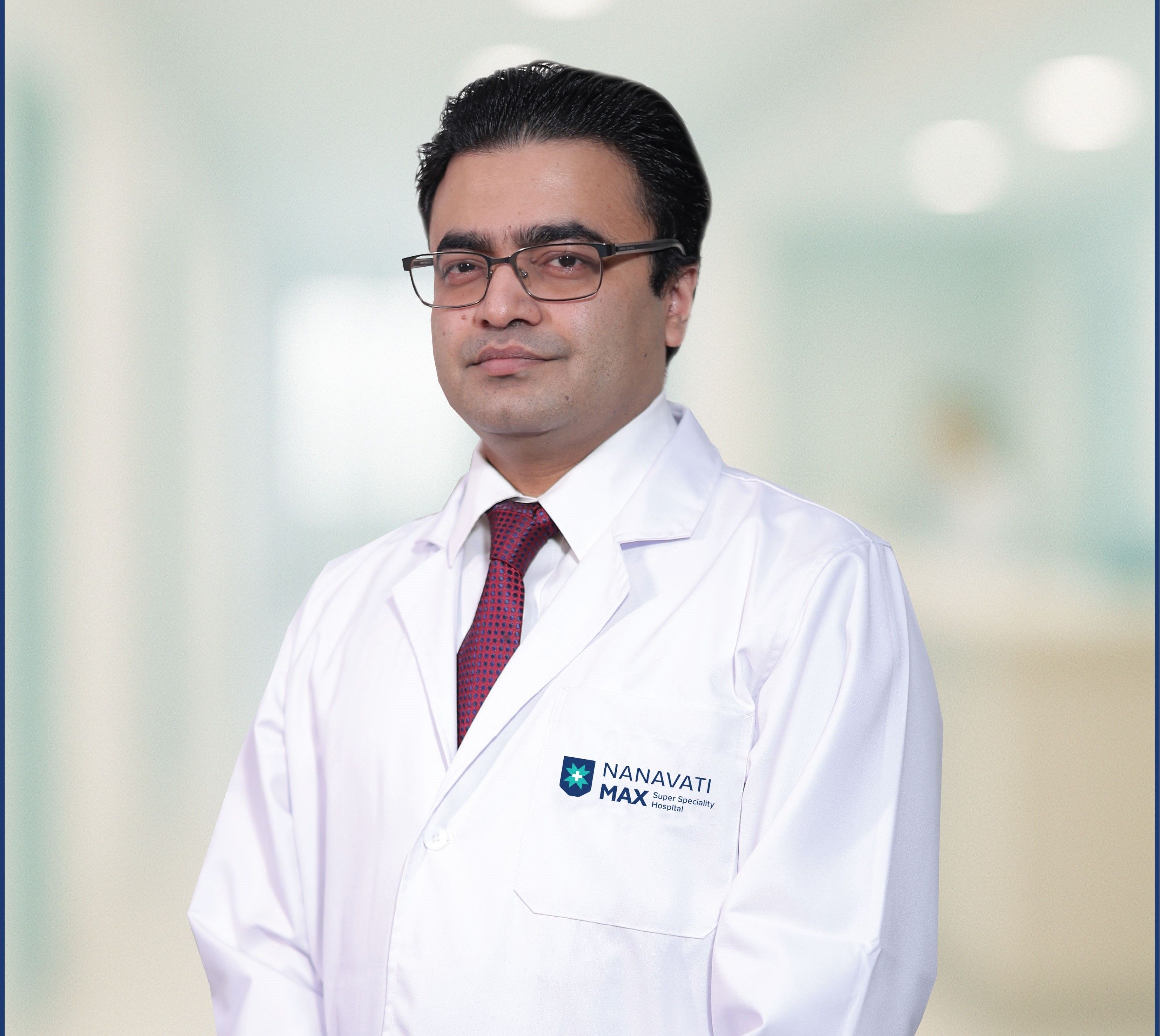
Written and Verified by:
Related Blogs

Dr. Muzammil Shaikh In Medical Oncology
Oct 06 , 2026 | 4 min read

Dr. Muzammil Shaikh In Medical Oncology , Head, Face and Neck Cancer Program
Oct 06 , 2026 | 4 min read

Dr. Muzammil Shaikh In Medical Oncology , Nanavati Max Institute of Cancer Care
Oct 06 , 2026 | 2 min read
Blogs by Doctor

Understanding the Role of an Oncologist: What You Need to Know
Dr Vaibhav Choudhary In Gynaecological Oncology Program
Aug 03 , 2026 | 4 min read
Most read Blogs



Related Blogs
Dr. Muzammil Shaikh In Medical Oncology
Oct 06 , 2026 | 4 min read
Dr. Muzammil Shaikh In Medical Oncology , Head, Face and Neck Cancer Program
Oct 06 , 2026 | 4 min read
Dr. Muzammil Shaikh In Medical Oncology , Nanavati Max Institute of Cancer Care
Oct 06 , 2026 | 2 min read
Blogs by Doctor
Understanding the Role of an Oncologist: What You Need to Know
Dr Vaibhav Choudhary In Gynaecological Oncology Program
Aug 03 , 2026 | 4 min read
Most read Blogs