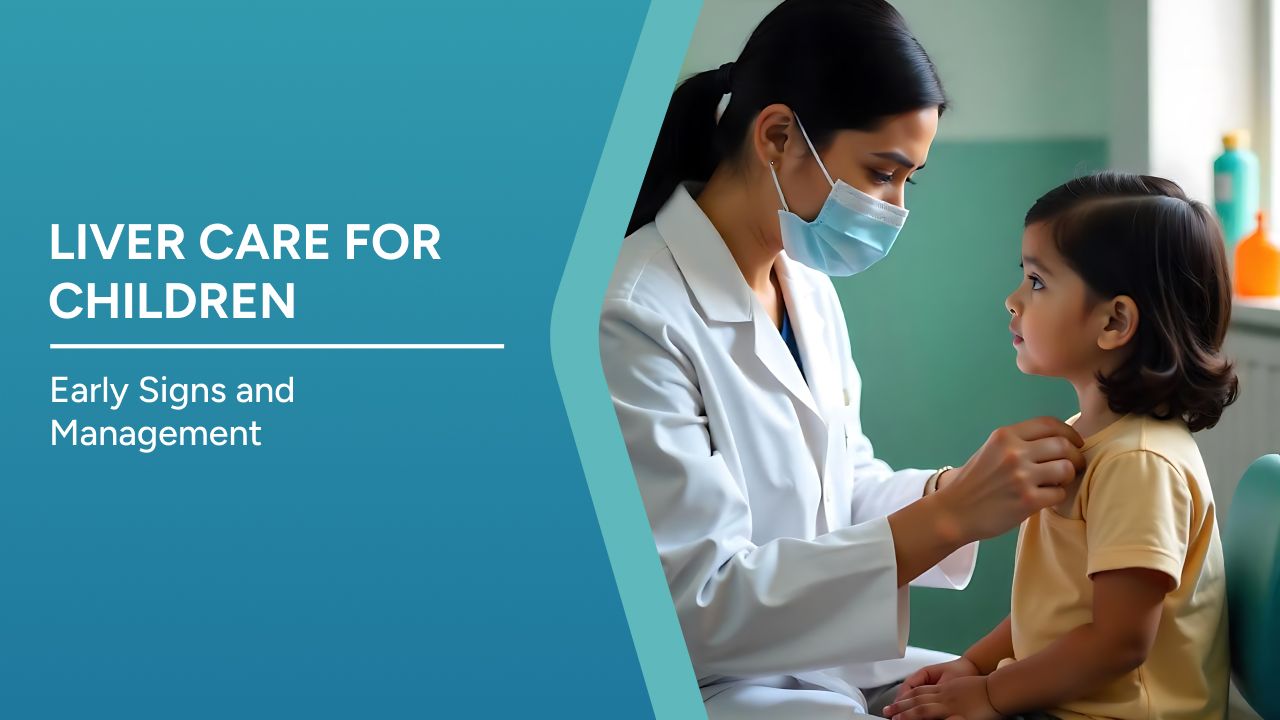
Liver Care for Children: Early Signs and Management
By Dr. Gaurav Chaubal in Nanavati Max Institute of Gastroenterology & Flexible Endoscopic Surgery
Aug 03 , 2026 | 4 min read

The liver is one of the body's most resilient organs and is often slow to show obvious signs of disease. In children, liver disorders can be particularly difficult to recognise because symptoms such as fatigue, mild yellowing of the eyes, or a slightly enlarged abdomen may not be immediately noticeable.
By the time parents realise something is wrong, the condition may already have been progressing for some time.
This is why awareness of early warning signs and available treatment options is important. Early detection and timely treatment can help improve long-term health outcomes and support a child's overall growth and development.
Common Causes of Paediatric Liver Disease
Vaccination programmes and regular healthcare have helped reduce many infectious causes of liver disease in children. However, other liver conditions related to genetics, metabolism, and immune system dysfunction continue to be important causes of paediatric liver disease.
Examples include:
- Metabolic dysfunction-associated steatotic liver disease (MASLD)
- Wilson's disease
- Progressive familial intrahepatic cholestasis (PFIC)
- Alagille syndrome
- Autoimmune hepatitis
- Biliary atresia
Many of these conditions may be present from birth or develop during childhood, but can remain undiagnosed because the symptoms are often subtle.
Read More about the Diabetes And Fatty Liver: Causes & Treatment Process
Early Warning Signs of Liver Disease in Children
Most paediatric liver diseases respond better to treatment when detected early. Parents and caregivers should be aware of potential warning signs.
Persistent Jaundice
Yellowing of the skin or eyes that persists beyond the expected newborn period or develops later in childhood may indicate an underlying liver condition and should be medically evaluated.
Pale Stools and Dark Urine
Changes in stool and urine colour can sometimes indicate problems with bile flow and may be an early sign of liver disease.
Unexplained Fatigue, Poor Appetite, or Slow Growth
Children with liver disease may experience:
- Ongoing tiredness
- Reduced appetite
- Difficulty gaining weight
- Slower growth than expected
These symptoms should not be overlooked when they persist without an obvious cause.
Persistent Itching Without a Rash
Itching that occurs without visible skin changes may sometimes be related to liver conditions that affect bile flow.
Abdominal Enlargement
An enlarged or firm abdomen may be caused by enlargement of the liver or spleen and requires medical assessment.
Know More about Lifestyle Changes After a Liver Transplant
Why Early Screening Is Important
Early diagnosis can make a significant difference in the management of many liver conditions.
In some cases, lifestyle changes introduced at an early stage may help prevent disease progression. In autoimmune liver diseases, timely treatment can help reduce inflammation and protect liver function.
For certain inherited cholestatic liver diseases, newer treatment options are now available that may help improve symptoms, support growth, and enhance quality of life.
Advances in Diagnosis and Treatment
Modern diagnostic techniques have improved the ability to identify liver diseases accurately and at an earlier stage.
Advanced genetic testing, including next-generation sequencing, can help:
- Identify inherited liver disorders
- Support an accurate diagnosis
- Guide treatment decisions
- Reduce the need for more invasive investigations
These advances are helping clinicians provide more personalised and effective care for children with liver disease.
Learn more about Liver Failure - Symptoms, Causes & Stages
The Importance of Timely Medical Evaluation
Many childhood liver diseases can be managed more effectively when recognised early. Parents should seek medical advice if they notice persistent jaundice, unexplained fatigue, growth concerns, changes in stool or urine colour, itching, or abdominal swelling.
Timely evaluation can lead to earlier diagnosis, appropriate treatment, and better long-term outcomes, helping children achieve healthier growth and development.
Read More about the Fatty Liver Diet
Disclaimer: This blog is for informational purposes only and should not be considered a substitute for professional medical advice, diagnosis, or treatment. Always consult a qualified healthcare provider regarding any medical concerns.
Conclusion
Liver care for children is a vital yet often overlooked aspect of paediatric health. Because the liver rarely shows dramatic early symptoms, subtle signs such as persistent jaundice, unexplained fatigue, poor growth, itching, or changes in stool and urine colour deserve close attention. Recognising these warning signs early can make a life-changing difference in a child's health journey.
Know More about Liver Function Test (LFT): Purpose, Types, Procedure
Frequently Asked Questions
1. What are the first signs of liver problems in children?
The earliest signs of liver problems in children often include persistent jaundice (yellowing of the skin or eyes), pale or clay-coloured stools, dark urine, unexplained fatigue, poor appetite, slow growth, and unexplained itching.
2. Can liver disease in children be cured?
The outcome depends on the underlying cause. Some conditions, such as viral hepatitis or autoimmune hepatitis, can be effectively managed or resolved with timely treatment. Genetic and inherited liver disorders may require long-term care or medication.
3. When should I take my child to a doctor for liver-related symptoms?
You should consult a doctor if your child shows persistent jaundice, unexplained tiredness, poor weight gain, itching without a rash, abdominal swelling, or changes in stool or urine colour. Even if symptoms seem mild, timely evaluation is important because liver disease can progress silently.
4. Are liver diseases in children hereditary?
Some liver diseases in children, such as Wilson's disease, Alagille syndrome, and progressive familial intrahepatic cholestasis (PFIC), are inherited genetic disorders. If there is a family history of liver disease, inform your paediatrician so appropriate screening can be considered.
5. Can diet alone prevent liver disease in children?
While a healthy diet plays a major role in preventing conditions like fatty liver disease, it cannot prevent all liver conditions - especially those that are genetic or autoimmune in nature.
6. Is jaundice in newborns always a sign of liver disease?
No. Mild jaundice is common in newborns and usually resolves within the first two weeks of life. However, jaundice that persists beyond two weeks, or appears later in childhood, should always be evaluated by a doctor as it may indicate an underlying liver condition such as biliary atresia.
7. Which specialist should I consult for my child's liver problems?
For liver care for children, consult a paediatric hepatologist or a paediatric gastroenterologist. These specialists are trained specifically in diagnosing and managing liver and digestive conditions in infants, children, and adolescents.

Written and Verified by:

Related Blogs

Medical Expert Team
Oct 06 , 2026 | 4 min read

Blogs by Doctor

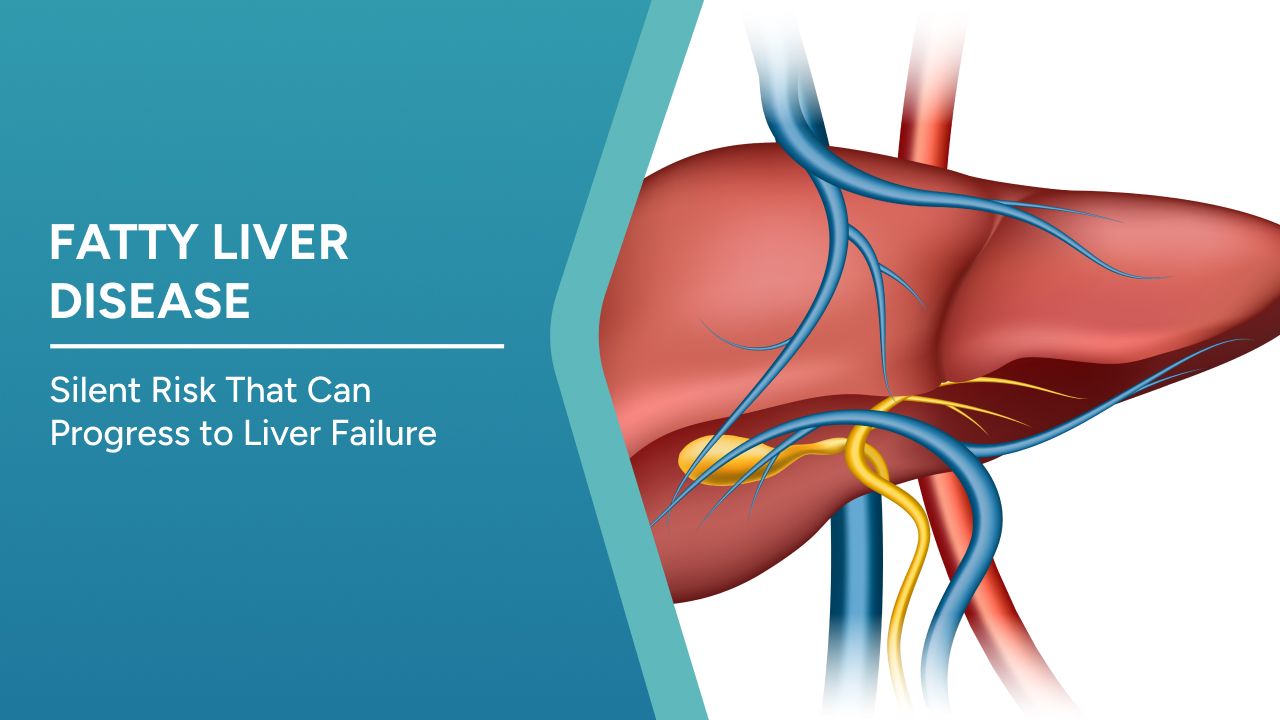
Fatty Liver Disease: The Silent Risk That Can Progress to Liver Failure
Dr. Gaurav Chaubal In Liver Diseases Unit
Aug 05 , 2026 | 1 min read

Whipple Procedure Unveiled: Essential Steps for a Successful Surgery
Dr. Gaurav Chaubal In Organ Transplant Intensive Care Unit
Aug 02 , 2026 | 12 min read
Most read Blogs



Related Blogs
Medical Expert Team
Oct 06 , 2026 | 4 min read
Blogs by Doctor
Fatty Liver Disease: The Silent Risk That Can Progress to Liver Failure
Dr. Gaurav Chaubal In Liver Diseases Unit
Aug 05 , 2026 | 1 min read
Whipple Procedure Unveiled: Essential Steps for a Successful Surgery
Dr. Gaurav Chaubal In Organ Transplant Intensive Care Unit
Aug 02 , 2026 | 12 min read
Most read Blogs