
Liver Function Tests Explained: Everything You Need to Know
By Dr. Samir R. Shah in Nanavati Max Institute of Liver, Intestine & Pancreas Sciences
Aug 05 , 2026 | 5 min read

Introduction to Liver Function Test
The Liver Function Test (LFT) is an excellent diagnostic tool that measures whether your liver is working as it should. Tests taken in a blood test panel measure different enzymes, proteins, and substances the liver produces or processes. Your doctor can assess whether the levels of these substances have been affected by a liver condition such as hepatitis, fatty liver, or jaundice.
The Liver Function Test's purpose goes beyond the identification of illnesses. It tracks the course of treatment as well as makes sure your liver is healthy.
Types of Liver Function Tests
LFTs are a group of blood tests based on specific parameters that focus on different aspects of liver health. Some of the most common ones are:
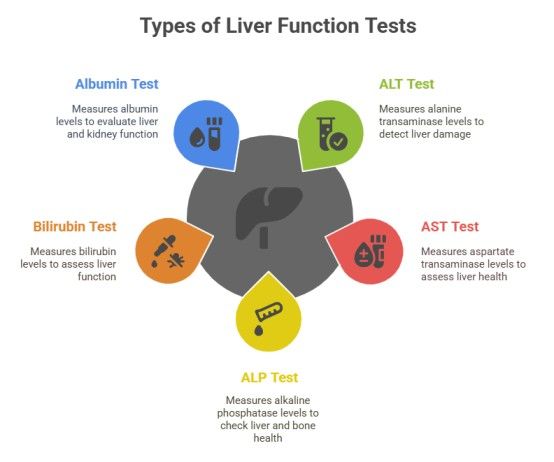
1. ALT Test (Alanine Transaminase)
This enzyme is usually found in the liver. Elevated levels can show liver damage or disease.
2. AST Test (Aspartate Transaminase)
This is present in the liver and muscles; thus, high levels might call for either liver or muscle issues.
3. ALP Test (Alkaline Phosphatase)
This enzyme helps break down proteins and is often checked to look for blockages in the bile ducts or liver problems.
4. Bilirubin Test
Bilirubin is a substance produced when red blood cells break down. High levels may suggest jaundice, liver disease, or bile duct obstruction.
5. Albumin Test
Albumin is a protein made by the liver. Low levels can signal liver disease or other chronic conditions.
Each of these tests gives valuable information, and together, they give a comprehensive picture of your liver's health.
Why Are Liver Function Tests Important?
The importance of liver function tests lies in their ability to detect problems before they become severe. The liver performs over 500 functions daily, from processing nutrients to removing toxins. Any disruption can lead to serious health concerns. LFTs help in several ways, such as:
- Identifying liver damage: Whether due to alcohol consumption, infections like hepatitis, or medication side effects, LFTs can pinpoint the issue early.
- Monitoring disease progression: If you have conditions like fatty liver or cirrhosis, regular LFTs track how the disease is progressing.
- Evaluating treatment effectiveness: For those undergoing treatment for liver diseases, these tests make sure that the medication is working as intended.
Preparation for Liver Function Test
Getting ready for a Liver Function Test is straightforward but requires a little attention to detail. Here’s what you need to know:
- Fasting for liver test: Your doctor might ask you to fast for 10-12 hours before the test. This means you cannot have any food or drink anything except water. Fasting gives you accurate results, especially for tests like bilirubin.
- Medication and liver tests: Inform your doctor about any medications or supplements you’re taking. Some drugs can affect liver enzyme levels and may need to be paused before the test.
- Stay hydrated: Drinking water can make the blood draw process smoother.
Proper preparation gives you the most reliable liver function test results.
Liver Function Test Procedure
The Liver Function Test process is simple and quick, involving just a routine blood draw. Here’s how it works:
- During the Test: A healthcare provider will clean the area on your arm and insert a small needle to collect a blood sample. While you may feel a pinch, the procedure is usually painless and over in minutes.
- Post-Test: Once the sample is collected, you can go about your day as usual. The blood is sent to a lab for analysis, and results are available within 24-48 hours.
Understanding Liver Function Test Results
Interpreting liver function test results can feel overwhelming, but breaking it down makes it easier:
- Normal Values: For most tests, normal ranges are well-established. For example, ALT levels are usually under 35 U/L for women and 45 U/L for men. Similarly, bilirubin levels should be below 1.2 mg/dL.
- Abnormal Results: Elevated or reduced levels suggest issues. High ALT or AST levels might suggest liver damage, while low albumin could point to chronic liver disease.
If your results are abnormal, don’t panic. Your doctor will explain what they mean and suggest additional tests or treatments if necessary.
Conditions Detected by Liver Function Tests
LFTs can reveal a range of liver-related conditions, including:
- Hepatitis: Inflammation of the liver caused by viral infections or other factors.
- Fatty Liver Disease: Excess fat in liver cells, often linked to obesity or alcohol use.
- Cirrhosis: Scarring of the liver due to long-term damage.
- Liver Cancer: Abnormal growths or tumours in the liver.
- Jaundice: A yellowing of the skin and eyes caused by high bilirubin levels.
Detecting these conditions early can lead to better outcomes and more effective treatments.
Read more about - Types of Liver Cancer and Liver Cancer Symptoms.
Risks and Limitations of Liver Function Tests
Although the Liver Function Test is a safe procedure, it’s better to be aware of potential risks. There may be minor bruising or discomfort at the site of the blood draw in some individuals. These are usually temporary and resolve on their own.
The test also has limitations. For example, abnormal results don’t always pinpoint the exact cause of a liver issue. Additional tests, such as imaging or a biopsy, might be needed for a full diagnosis. Despite these limitations, LFTs remain a very important tool for liver health monitoring.
When to Get a Liver Function Test
Knowing when to test liver function is important for maintaining your health. Here are some scenarios where LFTs are recommended:
- Symptoms of liver disease: Fatigue, abdominal pain, yellowing of the skin (jaundice), or dark urine.
- Routine check-ups: For those with risk factors like alcohol use or obesity.
- Monitoring existing conditions: Such as hepatitis or fatty liver.
- Medication side effects: If you’re on long-term medications that could affect the liver.
Conclusion
Regular Liver Function Tests will help monitor treatment progress and ensure the liver continues to perform its critical functions. At Nanavati Max Super Speciality Hospital, you can rely on expert care for accurate diagnosis and comprehensive liver health management.
Frequently Asked Questions
1. What is the liver function test for?
The liver function test checks the health of your liver by checking different enzymes, proteins, and substances present in your blood. It helps identify conditions like hepatitis, fatty liver, or jaundice and monitors the liver’s performance.
2. What is a normal LFT level?
Normal ranges vary depending on the specific test. For example:
- ALT: Typically less than 35 U/L for women and 45 U/L for men.
- Bilirubin: Less than 1.2 mg/dL. Your doctor will interpret your results based on these and other factors.
3. What are SGOT and SGPT in a liver function test?
SGOT (AST) and SGPT (ALT) are enzymes that refer to liver health. Elevated levels suggest liver inflammation or damage, often due to conditions like viral infections, alcohol use, or medication side effects.
4. Can liver function tests detect cancer?
While LFTs can suggest liver dysfunction, they don’t directly detect cancer. However, abnormal results may require further investigations like imaging or a biopsy.
5. How do I prepare for a liver function test?
Preparation includes:
- Fasting for 8-12 hours.
- Staying away from alcohol for at least 24 hours.
- Informing your doctor of all medications or supplements taken.
6. What does a high ALT level mean?
High levels of ALT denote inflammation or damage to the liver. This may occur due to diseases such as hepatitis, fatty liver, and excessive alcohol consumption.

Written and Verified by:

Related Blogs


Medical Expert Team
Aug 04 , 2026 | 4 min read

Medical Expert Team
Aug 04 , 2026 | 3 min read
Most read Blogs



Related Blogs
Medical Expert Team
Aug 04 , 2026 | 4 min read
Medical Expert Team
Aug 04 , 2026 | 3 min read
Most read Blogs