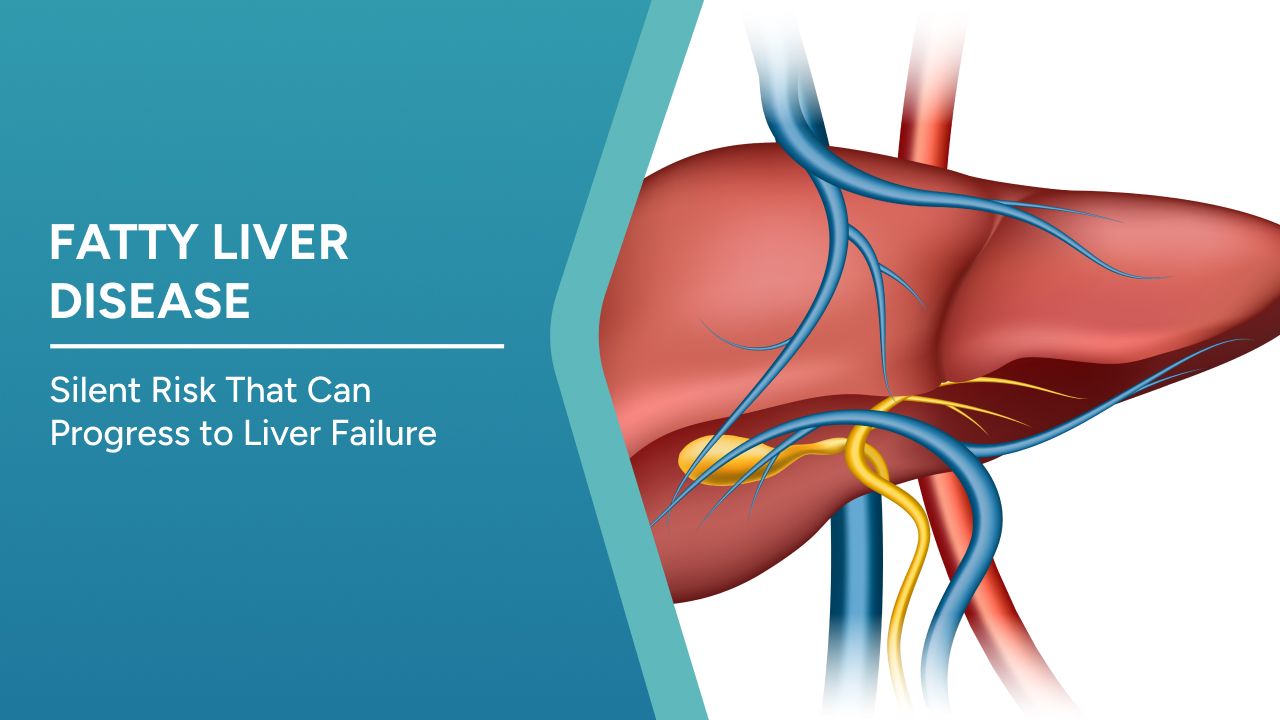
Fatty Liver Disease: The Silent Risk That Can Progress to Liver Failure
By Dr. Gaurav Chaubal in Liver Diseases Unit
Aug 05 , 2026 | 1 min read

Understanding MASLD and Its Growing Burden
Metabolic dysfunction-associated steatotic liver disease (MASLD), a condition indicating excess build-up of fat in the liver not associated with alcohol, has become an increasingly important health concern in India, specifically due to the existing higher prevalence of obesity, diabetes and other metabolic problems.
Being one of the most common chronic liver diseases worldwide, MASLD is closely linked with type 2 diabetes, high blood pressure, abnormal cholesterol and excess weight.
Why Fatty Liver Disease Often Goes Unnoticed
One of the biggest challenges in timely management or treatment of MASLD is that fatty liver disease often stays silent for a long time. Many people do not realise they have a liver problem until damage has already progressed.
In its early stage, the liver may simply have excess fat, and the course can sometimes remain mild. But in some people, the disease becomes more aggressive, leading to inflammation, scarring and, over time, cirrhosis or even liver cancer.
The Impact of Metabolic Risk Factors
This is why ignoring risk factors can be dangerous. Diabetes can double the risk of overall and liver-related death in people with fatty liver disease, while metabolic syndrome can raise liver-related mortality even further. The more these risk factors build up together, the greater the danger.
Recognising Early Warning Signs
Although the disease may not cause obvious symptoms early on, people should not dismiss warning signs such as unexplained tiredness, abnormal liver test results, or health issues linked to obesity and diabetes.
When Fatty Liver Disease Progresses
Once the disease reaches advanced stages, it can lead to liver failure, complications of cirrhosis, or liver cancer. At that point, some patients may ultimately need a liver transplant. In fact, MASLD has been one of the fastest-growing reasons for liver transplantation in many parts of the world.
The Importance of Early Screening and Specialist Consultation
For people, the message is simple: do not wait for an acute pain in the liver before seeking help. Those with diabetes, weight gain, high cholesterol, high blood pressure or abnormal liver reports should consider timely screening and specialist consultation. Early evaluation can help identify risk sooner, guide the right care, and possibly prevent the disease from progressing to a stage where major treatment, including transplantation, becomes necessary.

Written and Verified by:

Related Blogs

Blogs by Doctor



Whipple Procedure Unveiled: Essential Steps for a Successful Surgery
Dr. Gaurav Chaubal In Organ Transplant Intensive Care Unit
Aug 02 , 2026 | 12 min read
Most read Blogs



Related Blogs
Blogs by Doctor
Whipple Procedure Unveiled: Essential Steps for a Successful Surgery
Dr. Gaurav Chaubal In Organ Transplant Intensive Care Unit
Aug 02 , 2026 | 12 min read
Most read Blogs