Heart Failure: Symptoms, Causes, and Treatment
By Dr. Sushant C Patil in Invasive Interventional Cardiology Unit
Aug 04 , 2026 | 6 min read

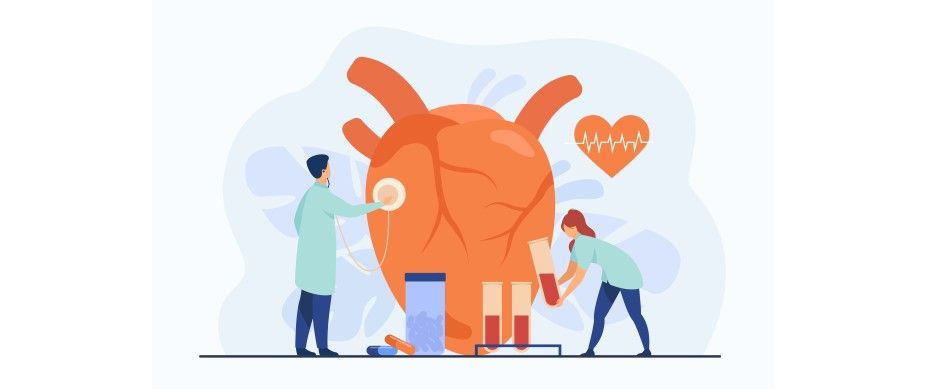
Heart failure is a result of inefficient myocardial performance that results in compromised blood supply to the body. It is a condition in which the heart cannot pump blood in the required way. This problem can happen to anyone, but older people are more likely to get it. Knowing the signs and reasons behind heart failure helps you handle the illness better. Let's look at the main symptoms, causes, and treatments for heart failure.
Symptoms of Heart Failure
Early Warning Signs
- You can get out of breath when you move around, chill out, or even sleep. It happens because your lungs fill up with fluid.
- You may be extremely exhausted or too weak to perform easy tasks like climbing stairs or picking things up.
- If your heart is not working correctly, fluid can collect, which may cause puffing in your foot, ankles, and feet.
Advanced Symptoms
- Abnormal heartbeat — Your heart may beat too fast or irregularly because it works extra hard to move blood through your vessels.
- Fluid accumulation in the lungs is manifested by a chronic cough or sneeze, typically with whitish-pink sputum.
- There will be increased urination, mainly at night when your body is trying to eliminate extra fluid.
Read More about What are the Four Things That Can Lead to Heart Failure?
Symptom Management and When to Seek Medical Help
- Eat Food That's Good for Your Heart: Choose foods low in salt, fat, and cholesterol to help maintain a well-balanced diet.
- Exercise: If it comes to exercising, do as your doctor prescribes – for instance, take 5-minute walks or swim. It should be in moderation, neither excessive nor insufficient.
- Take Your Medicine: You should take your pills in the same manner as your doctor prescribed them.
Seek medical attention when there is:
- Quick weight gain of over 2-3 pounds in a day or 5 pounds in a week
- Trouble breathing
- Belly swelling or swelling in legs, ankles, and feet.
- Fast or irregular heartbeat, especially if this has caused chest pain or fainting
- Long-term cough or wheezing with pink, frothy mucus
Learn More about Heart Failure: Screening, Stages & Treatment
Causes of Heart Failure
1. Coronary Artery Disease (CAD): CAD occurs when the blood vessels that feed your heart become narrowed or blocked. This occurs because substances like cholesterol are deposited within the vessels, making blood flow through those vessels very difficult.
Impact on heart health:
- Reduced Blood Flow
- Heart Attack
- Heart Failure
- Arrhythmias
2. High Blood Pressure, or Hypertension: When the blood's pumping force is higher than usual, it is called hypertension or high blood pressure. This additional load on the heart and the arteries can cause different problems. The constant pressure makes the heart work harder, which can cause problems.
Role in heart attack:
- Increased Heart Workload
- Decreased Efficiency
- Heart Muscle Weakening
- Heart Stiffness
Gradually, the heart becomes weak, and the malfunction of heart muscles may cause arrhythmias.
4. Heart Valve Diseases: Heart valve disease occurs when one or more of the heart's four valves fail to function as they should. These valves allow blood to flow adequately through the heart. Sometimes, the valve fails to open or close, further compromising blood circulation, starting from the heart. There are irregular heartbeats, very fast, very slow, or irregular.
How do they cause heart failure?
- Reduced Cardiac Output
- Increased Heart Rate
- Disrupted Heart Function
- Precipitation of Heart Failure
- Increased Risk of Complications
Connection with heart failure:
- Increased Cardiac Workload
- Blood Volume Overload
- Pressure Overload
- Reduced Oxygenation
- Chronic Stress on the Heart
6. Lifestyle Factors: High cholesterol levels, hypertension, high blood sugar levels, high triglyceride levels, smoking, and excessive alcohol consumption are considered risk factors for heart disease.
Advocating for a healthy diet, exercising, refraining from smoking, and avoiding excessive alcohol consumption can greatly reduce the chances of heart disease.
Know more about Different Types Of Heart Diseases
Treatment of Heart Failure
- Diet and Exercise: The patients should modify their diet, avoid junk food, and eat plenty of fruits, vegetables, whole grain products, and lean proteins. They must also reduce their sodium intake, saturated fats, and cholesterol consumption. They should also exercise to get stronger and have a healthier heart. Going for quick walks or swimming can help. It's good to do these things often to strengthen the heart and keep it in good shape.
- Stress and Weight Management: Get tips on how to manage stress or learn activities such as yoga. Eating habits also help maintain a good weight, so the heart does not have too much work to do and thus is not in danger of cardiac arrest.
- Medications: The available primary medications include ACE inhibitors, beta-blockers, and diuretics administered by doctors for heart failure. These medicines bring comforting results by relieving symptoms of heart disease, diminishing fluid retention, and improving heart performance.
- Surgical Options: Other measures to improve the heart condition and alleviate symptoms include valve surgery, CABG, and implanted devices, such as pacemakers or defibrillators.
- Continuity of Care: The patient should consult the doctor frequently regarding his heart and the possibility of changing the treatment plan. It is crucial to be aware of any other health issues that may be present, such as diabetes or high blood pressure, which also affect the heart and can lead to adverse effects if not well managed.
Know More about the Heart Attack Symptoms in Women
Conclusion
Heart failure is an outcome of chronic health issues related to the heart. In rare cases, effective care will include lifestyle changes with a heart-healthy diet, regular exercise, cardiac medications, and surgical intervention.
Follow-up and treatment are vital in maintaining symptoms within reasonable control, managing associated conditions that may have developed, and ensuring a better quality of life. Proactivity in managing and optimising the risk factors can considerably reduce cardiovascular and general health risks.
Frequently Asked Questions
1. What are the early symptoms of heart failure?
- Shortness of breath.
- Waking up short of breath at night.
- Chest pain.
- Heart palpitations.
- Fatigue when you're active.
2. How does high blood pressure cause heart failure?
High blood pressure increases pressure on the walls of the blood vessels and makes the heart work harder to circulate blood in the body.
3. Can lifestyle changes prevent heart failure?
Consuming fruits, vegetables, whole grain products, lean meats, and fish will help you have a healthier heart.
4. What are the symptoms of advanced heart failure?
- Shortness of breath with activity or when lying down.
- Fatigue and weakness.
- Swelling in the legs, ankles and feet.
- Rapid or irregular heartbeat.
- Reduced ability to exercise.
5. How does coronary artery disease lead to heart failure?
Coronary artery disease, or CAD, narrows and/or blocks the blood vessels, particularly the coronary arteries that deliver blood to the heart muscle.
6. What is the role of diet in managing heart failure symptoms?
The purpose of changing your diet is to lessen the amount of effort your heart has to do.
7. How effective are surgical treatments for heart failure?
Heart failure can be defined as a long-term condition, and it generally tends to deteriorate. All treatments, such as surgical treatments, are not curative, but they help people feel better, enjoy a good quality of life, and live longer.
8. How often should I get my heart checked if I have risk factors for heart failure?
Your doctor can use the test to find out why you have heart failure and then regularly monitor your status every three to six months.
9. What should I do if I experience heart failure symptoms?
Decrease weight, exercise, consume less salt, and control stress.
10. Do cardiologists treat heart failure?
Cardiologists can work in even more specific areas of heart care, such as treating heart failure, heart rhythm disorders, and congenital (born-with) conditions.

Written and Verified by:

Related Blogs
Dr. Sushant C Patil In Invasive Interventional Cardiology Unit
Oct 06 , 2026 | 7 min read
Dr. Praveen Kulkarni In Invasive Interventional Cardiology Unit
Sep 29 , 2026 | 7 min read

Dr. Sameer Pagad In Invasive Interventional Cardiology Unit
Aug 05 , 2026 | 5 min read
Blogs by Doctor
Silent Heart Attacks: What Are They and How to Detect Them?
Dr. Sushant C Patil In Invasive Interventional Cardiology Unit
Oct 06 , 2026 | 7 min read


Hypertension in Young Adults & Teens: Causes, Symptoms, Risks & Management
Dr. Sushant C Patil In Heart Institute
Aug 05 , 2026 | 4 min read
Most read Blogs



Related Blogs
Dr. Sushant C Patil In Invasive Interventional Cardiology Unit
Oct 06 , 2026 | 7 min read
Dr. Praveen Kulkarni In Invasive Interventional Cardiology Unit
Sep 29 , 2026 | 7 min read
Dr. Sameer Pagad In Invasive Interventional Cardiology Unit
Aug 05 , 2026 | 5 min read
Blogs by Doctor
Silent Heart Attacks: What Are They and How to Detect Them?
Dr. Sushant C Patil In Invasive Interventional Cardiology Unit
Oct 06 , 2026 | 7 min read
Hypertension in Young Adults & Teens: Causes, Symptoms, Risks & Management
Dr. Sushant C Patil In Heart Institute
Aug 05 , 2026 | 4 min read
Most read Blogs