Understanding the EEG Test: Procedure, Benefits, and What to Expect
By Medical Expert Team
Aug 05 , 2026 | 5 min read

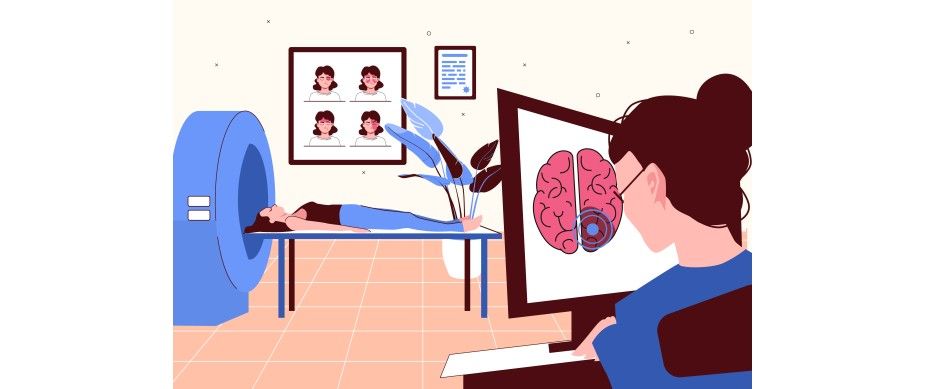
An electroencephalogram (EEG) is a non-invasive, sophisticated medical test that measures and records the continuous electrical activity of the brain. By using small metal discs (electrodes) attached to the scalp, expert technologists can detect minute abnormalities in brain waves to provide a comprehensive eeg definition and assist neurologists in diagnosing complex neurological conditions. If your doctor has suggested this test, it is to evaluate the functional health of your brain at rest and during specific stimuli.
Why You Might Need an EEG Test
While the primary use of an eeg test is to confirm or rule out epilepsy, it is also a vital diagnostic tool for various unexplained neurological symptoms. You may be referred for this procedure if you experience:
- Episodes of confusion, "blanking out," or absence seizures
- Unexplained syncope (fainting) or loss of consciousness
- Rapid cognitive decline or acute changes in behavior
- Persistent vertigo or "spells" that mimic seizure activity
- Assessment of brain function following severe head trauma or concussion
Know More about Neurologist vs. Neurosurgeon: Key Differences and Roles
How the EEG Test Works
Think of your brain as a complex electrical grid. Every thought or movement triggers electrical signals between neurons. The eeg test captures these microvolt signals through electrodes placed in specific configurations (often following the International 10-20 system) on your head. These signals are amplified and recorded as waves on a computer, allowing experts to verify if cortical activity is within normal parameters. It is a completely painless and non-invasive procedure.
When and Why an EEG Test Is Used
Clinical indications for an eeg test extend beyond epilepsy to include the evaluation of encephalopathy, sleep disorders, and even the monitoring of depth of anesthesia. If a patient experiences recurring headaches, memory deficits, or unexplained sleep disturbances, doctors may order this test to rule out underlying electrical dysregulation. In both pediatric and adult populations, it serves as a "real-time" window into the brain's functional state.
What Does an EEG Test Diagnose?
The eeg test is the clinical "gold standard" for identifying epileptiform discharges—the "spikes" or "sharp waves" associated with seizure disorders. However, its diagnostic utility is much broader:
- Sleep Disorders: Identifying disrupted cycles in conditions like Narcolepsy or REM sleep behavior disorder.
- Structural Lesions: Helping assess how a brain tumor or injury is affecting local brain function.
- Infections: Assisting in the diagnosis of encephalitis or other inflammatory conditions.
- Dementia & Metabolic Disorders: Monitoring the "slowing" of brain rhythms common in Alzheimer’s or hepatic encephalopathy.
- Critical Care: Providing definitive evidence for brain death in patients in a deep coma.
Types of EEG Tests
Depending on your symptoms, your doctor may recommend different variations:
1. Routine EEG
A routine eeg test typically takes about 30 to 60 minutes to complete. It records brain waves while you are awake and may involve activation procedures like photic stimulation (flashing lights) or hyperventilation to trigger specific patterns.
2. Ambulatory EEG
For symptoms that are infrequent, an ambulatory device allows for 24 to 72 hours of continuous recording while you maintain your daily routine at home.
3. Video EEG Monitoring
This involves simultaneous video and electrical recording, usually in a hospital setting, to correlate physical movements with brain wave changes. This is essential for differentiating epileptic seizures from psychogenic non-epileptic seizures (PNES).
4. Sleep EEG
Conducted while the patient is asleep, this test is crucial for capturing abnormalities that only appear during specific sleep stages, such as sleep spindles or K-complexes.
EEG Test Procedure: Step-by-Step Guide
How to Prepare
To ensure the highest signal quality, preparation is critical:
- Hair Care: Wash your hair the night before. Ensure the scalp is free of oils, gels, or conditioners, as these increase "impedance" and can distort the recording.
- Diet: Eat a light meal to prevent hypoglycemia, which can alter brain patterns.
- Caffeine Restriction: Strictly avoid caffeine (coffee, tea, cola, or chocolate) for at least 8 to 12 hours before the test, as it is a central nervous system stimulant that can mask certain abnormalities.
- Medications: Consult your neurologist regarding whether to continue or pause anti-seizure medications.
What Happens During the Test?
A certified technologist will measure your head and mark the scalp. They will use a mild abrasive gel to clean the skin and ensure a strong connection before applying the electrodes with conductive paste. You will then relax in a recliner or bed. The process is entirely passive; the machine does not send any electricity into your body.
What to Expect After the Test
Once the electrodes are removed, you can wash the paste out with warm water. There is no downtime, and you can resume normal activities immediately. If the test was "sleep-deprived," ensure you have a ride home for safety.
Key EEG Test Benefits
One of the primary eeg test benefits is its ability to provide functional data that imaging like MRI or CT scans, cannot capture.
|
Feature |
EEG Test |
MRI / CT Scan |
|
Primary Goal |
Records Functional/Electrical Activity |
Shows Physical Anatomy/Structure |
|
Best For |
Tumors, Bleeding, Stroke, Trauma |
|
|
Radiation |
Zero (Completely Safe) |
CT has Radiation; MRI has Magnetism |
|
Time Frame |
Real-time continuous monitoring |
Static "snapshot" of the brain |
Additional eeg benefits include its high sensitivity in detecting "subclinical" seizures—seizures that occur in the brain without any outward physical symptoms.
EEG Test in India: Choosing the Right Center
When seeking an eeg test in India, it is essential to choose a facility with NABL accreditation and experienced neurophysiologists. At Nanavati Max Super Speciality Hospital, our diagnostic labs utilize high-density EEG equipment and follow international guidelines to ensure the highest diagnostic accuracy for our patients.
How to Read an EEG Test Report
A neurologist or neurophysiologist classifies brain waves by their frequency:
- Alpha (8-13 Hz): Relaxed, eyes-closed wakefulness.
- Beta (13-30 Hz): Active thinking and focus.
- Theta (4-8 Hz): Drowsiness or light sleep.
- Delta (<4 Hz): Deep sleep; if present while awake, it may indicate brain dysfunction.
Conclusion
An eeg test is an indispensable, risk-free tool for modern neurology. Whether you are seeking a diagnosis for a one-time "spell" or managing long-term epilepsy, this test provides the electrical map your doctor needs to tailor your treatment. Early diagnostic intervention often leads to significantly better clinical outcomes.
Medical Disclaimer
The information provided in this blog is for educational purposes only and does not constitute medical advice, diagnosis, or treatment. Always seek the advice of a qualified healthcare provider regarding a medical condition or the interpretation of diagnostic tests.
Frequently Asked Questions
1. What is EEG used to diagnose?
An EEG is primarily used to diagnose epilepsy, but it is also critical for evaluating sleep disorders, brain infections (encephalitis), and assessing brain function after a head injury.
2. How long does an eeg test take?
A standard routine eeg test take about 45 to 60 minutes. However, sleep-deprived or ambulatory EEGs can take several hours to multiple days depending on the clinical requirement.
3. For what purpose is an EEG done?
The eeg test is performed to map the brain's functional activity. It helps distinguish between different types of seizures, monitors the brain during surgery, and evaluates the depth of a coma.
4. Can I eat before an EEG test?
Yes, you should eat a balanced meal to keep your blood sugar stable. However, avoid all caffeine-containing products for at least 8–12 hours prior to the test.
References
1. Fisher, R. S., et al. (2014). ILAE Official Report: A practical clinical definition of epilepsy. Epilepsia, 55(4), 475-482.https://doi.org/10.1111/epi.12550
2. Wijdicks, E. F., et al. (2010). Evidence-based guideline update: Determining brain death in adults. Neurology, 74(23), 1911-1918.https://doi.org/10.1212/WNL.0b013e3181e242a8

Related Blogs
Dr. Sushant C Patil In Invasive Interventional Cardiology Unit
Oct 06 , 2026 | 7 min read

Dr. Praveen Kulkarni In Invasive Interventional Cardiology Unit
Sep 29 , 2026 | 7 min read

Dr. Sameer Pagad In Invasive Interventional Cardiology Unit
Aug 05 , 2026 | 5 min read
Most read Blogs



Related Blogs
Dr. Sushant C Patil In Invasive Interventional Cardiology Unit
Oct 06 , 2026 | 7 min read
Dr. Praveen Kulkarni In Invasive Interventional Cardiology Unit
Sep 29 , 2026 | 7 min read
Dr. Sameer Pagad In Invasive Interventional Cardiology Unit
Aug 05 , 2026 | 5 min read
Most read Blogs