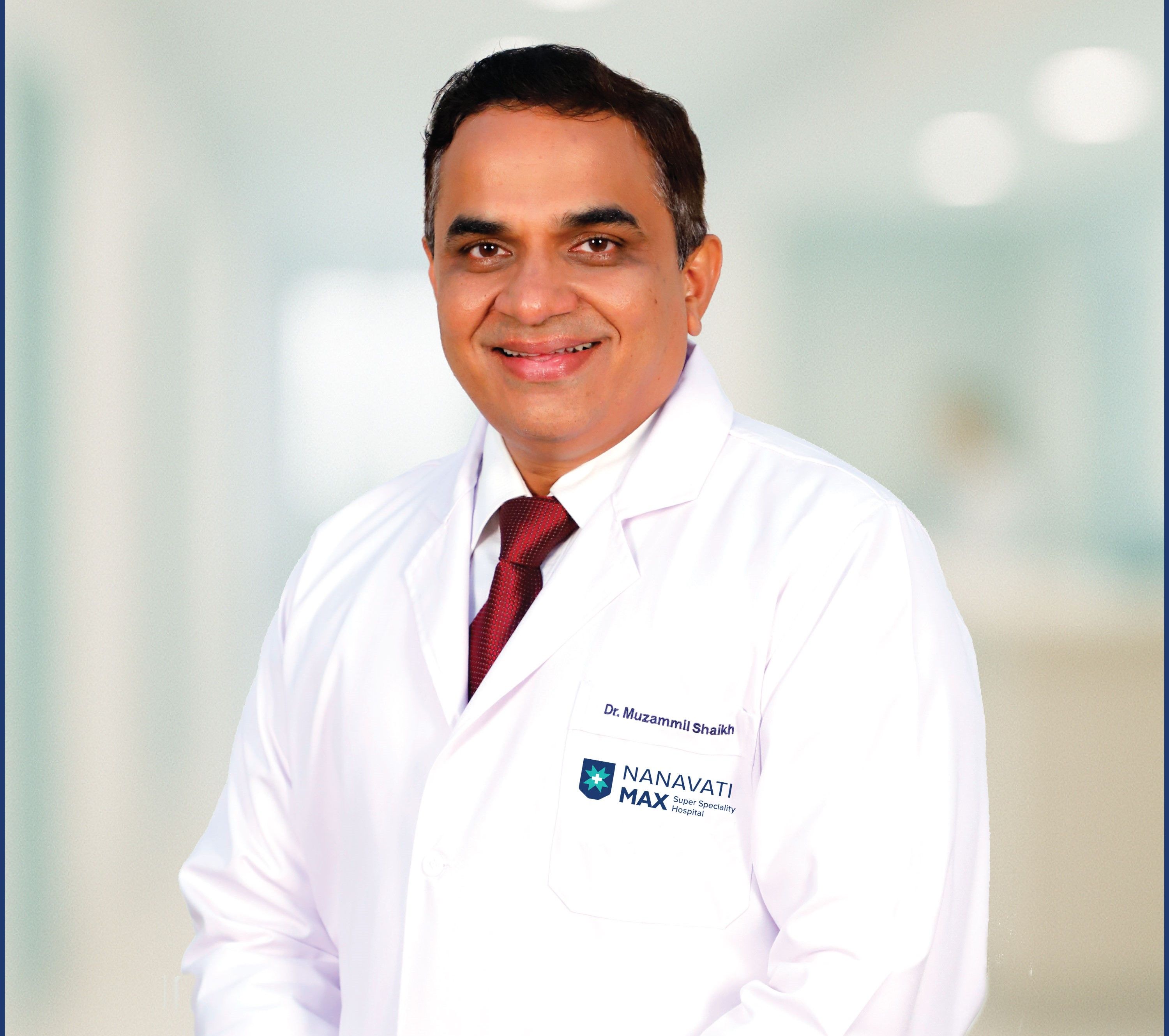
Our Medical Experts
Nanavati Max Hospital is home to eminent doctors in the world, most of whom are pioneers in their respective fields. Additionally, they are renowned for developing innovative and revolutionary clinical procedures.
Find a DoctorEmergency:

Helpline:
Sarcoma is cancer that begins in the body's connective tissues like bones (bone sarcoma) and other soft tissues (called soft tissue sarcoma) like muscles, fat cells, blood vessels, tendons, and nerves. There are over 70 types of sarcoma. The treatment varies based on the type of the sarcoma; its location, stage, spread; and the overall age of the patient.
Sarcomas are rare, and according to the American Society of Clinical Oncology (ASCO), sarcomas account for just 1% of all adult cancers. However, sarcomas are relatively more common in children and makeup 15% of childhood cancers. Around 60% of sarcomas begin in the arm or the leg, while 30% begin in the abdomen. Only 10% of sarcomas start in the head and neck region.
The five-year survival rate for soft tissue sarcomas is 80%. However, the prognosis depends upon the type and stage of cancer at the time of diagnosis and the cancer’s response to treatments.
While the signs of cancer are objective or physically observable manifestations, symptoms are subjective experiences. The most common signs and symptoms of sarcoma are:
The exact reason why sarcomas occur is unknown. Like most cancers, sarcomas occur when abnormal changes (mutations) occur in the cells. These mutations prompt these cells to grow, divide and multiply uncontrollably, leading to cancer. Sarcomas may occur without any family history. Some suggested risk factors of this cancer are:
As mentioned earlier, sarcomas are primarily of two types – bone sarcomas and soft tissue sarcomas.
Types of bone sarcomas include:
Types of soft tissue sarcomas depend upon where the sarcoma begins. These include:
There are four main stages of sarcoma, based on their size and spread:
When the sarcoma is smaller than 5 cm in size and does not spread to the nearby lymph nodes or body parts, it is said to be grade 1a. If the sarcoma is larger than 5 cm and does not spread to the lymph nodes, it is designated as grade 1b sarcoma. It is usually difficult to assess the sarcoma at this stage.
When the sarcoma is around 5 cm or lesser and has not spread to the nearby lymph nodes or other parts of the body, the cancer is said to be grade 2.
When the sarcoma is between 5 cm to 10 cm in size but has not spread to nearby lymph nodes or other parts of the body, it is said to be a grade 3 cancer.
This is an advanced stage of cancer and can be of any size. The cancer cells may have spread to the nearby lymph nodes, and sometimes, even other parts of the body.
After evaluating your symptoms, your doctor may conduct a thorough physical examination to check for any lumps or growths. Other diagnostic tests that may be prescribed include the following:
The treatment options for sarcoma depend upon multiple factors– stage and grade of cancer, spread, and the patient's overall health. The standard cancer treatment options include:
There are no specific preventive measures to stop one from getting a sarcoma. When someone is at high risk due to genetic or familial history, it may be advisable to undergo routine monitoring to catch the condition early. Reducing risk factors can help reduce the risk of developing sarcoma.
Not diagnosing or treating sarcoma in the early stages can spread cancer cells to other parts of the body (a process called metastasis). Advanced-stage sarcomas are challenging to treat and cause different complications in treatments, wound healing, and impact one’s quality of life.
Regardless of the type of sarcoma one has, the goals are early diagnosis, prompt treatment, and symptomatic relief. It is best to speak to the doctor and the multidisciplinary team treating your sarcoma for any queries or concerns one may have.
Nanavati Max Hospital is home to eminent doctors in the world, most of whom are pioneers in their respective fields. Additionally, they are renowned for developing innovative and revolutionary clinical procedures.
Find a Doctor