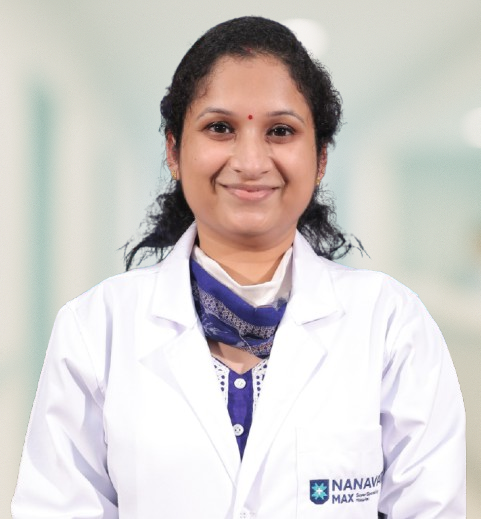
Our Medical Experts
Nanavati Max Hospital is home to eminent doctors in the world, most of whom are pioneers in their respective fields. Additionally, they are renowned for developing innovative and revolutionary clinical procedures.
Find a DoctorEmergency:

Helpline:
Primary liver cancer includes
Cholangiocarcinoma is the cancer of bile ducts. The bile duct connects the liver to the gall bladder and intestine. There are three types of cholangiocarcinoma:
Physical examination: Your doctor will examine your abdomen to look for any pain and swelling in the upper abdomen. He also examines your eyes and skin to look for evidence of jaundice.
electrolytes, coagulation profile, HIV, HCV & HBV
Surgical resection of the diseased liver, liver transplantation and loco-regional ablative techniques like TACE, RFA, MWA and chemotherapy. Loco regional ablative techniques are considered in patients who are not candidates for surgery patients with portal hypertension, poor liver functions, functional liver remnant (FLR) less than 40%, poor general condition, metastasis).
Secondary liver cancer or metastasis is the most common cancerous condition of the liver. It depends on the location of original cancer. Primary cancers that are most likely to spread to the liver are cancers of the:
Even if the primary cancer is removed, liver metastasis can still occur years later. If you've had cancer, it's important to learn the signs of liver metastasis and get regular checkups. Liver cancer signs and symptoms may include:
Physical examination: Your doctor will examine your abdomen to look for any pain or swelling in the upper abdomen. He also examines your eyes and skin to look for evidence of jaundice.
Laboratory Investigations
Chemotherapy shrinks the tumour by slowing or stopping the growth of cancer cells and relieving the symptoms. It may be given after the surgery to lower the risk of recurrence.
Targeted therapy is used to control the growth of liver metastases. They are given intravenously or orally. It is most often used along with chemotherapy.
Cirrhosis is due to long-term injury to the liver. It can be alcoholic or non-alcoholic cirrhosis seen in patients with fatty liver. The most common causes are hepatitis and alcohol abuse. Cirrhosis by itself is not cancer but increases the risk of liver cancer.
Once cirrhosis (or scarring of the liver) has set in, it is generally not reversible. Therefore, the best way to prevent liver cancer is to avoid liver damage by treating any underlying hepatitis and avoiding excess alcohol use.
In general, survival rates are higher for people who can have surgery to remove their cancer, regardless of the stage. Overall survival is over 50-70% in patients with small resectable tumors who do not have cirrhosis or other health issues. For early-stage HCC with cirrhosis and liver transplant, the 5-year survival rate is 60-70%.
You must consult your doctor every 3 to 6 months for the first 2 years, then every 6 to 12 months. Then, the longer you are cancer-free, the less often the visits are needed. After 5 years, they may be done once a year.
Side effects of chemotherapy include nausea, vomiting, hair loss, infection, and loss of appetite. These symptoms will settle down once the patient has completed chemotherapy. Side effects of radiotherapy include skin changes where the radiation is given and fatigue.
Bile leak, wound infection, post-surgery hepatic insufficiency, and intra-abdominal collection. Most of the complications are managed conservatively. In case of complications, hospital stay, and expenses may increase.
In solitary and resectable liver metastasis, the survival rate is 60-70%, in multiple resectable liver metastases, the survival rate is 25-30%.
There are several options available for Liver Cancer Treatment in Mumbai, including surgery, chemotherapy, radiation therapy, and targeted therapy. The treatment plan depends on factors like the stage and location of the tumour and the patient's health. A liver transplant can also be a significant treatment solution in some cases of liver cancer.
You should look for a hospital with a cancer disease management group (DMG), experienced doctors, state-of-the-art equipment, and a good track record of successful liver cancer treatments. You may also seek recommendations from your primary care physician and explore online reviews from former patients.
The success rate of liver cancer treatment depends on several factors, including the stage of cancer, the type of treatment, underlying conditions and the patient's age or overall health. Generally, the sooner cancer is detected and treated, the greater the chances of a successful outcome.
The duration of liver cancer treatment depends on the type and stage of cancer, as well as the treatment plan recommended by the doctors. Some treatments, such as surgery, may take a few hours, while others, such as chemotherapy, may require several cycles of treatment over several months. Follow-ups and monitoring after the treatment are also crucial parts of the journey to detect the recurrence of cancer.
The side effects of liver cancer treatment vary depending on the type of treatment and the patient's physiological conditions. Surgery may cause pain, bleeding, and infection. Chemotherapy may cause nausea, vomiting, hair loss, and fatigue. Radiation therapy may cause skin irritation, fatigue, and diarrhoea. Targeted therapy may cause skin rashes, diarrhoea, and high blood pressure. Thus, always opt for hospitals with a strong supportive care system to manage the side effects of treatment.
Nanavati Max Hospital is home to eminent doctors in the world, most of whom are pioneers in their respective fields. Additionally, they are renowned for developing innovative and revolutionary clinical procedures.
Find a Doctor