Best Heart Surgeons In Mumbai, India
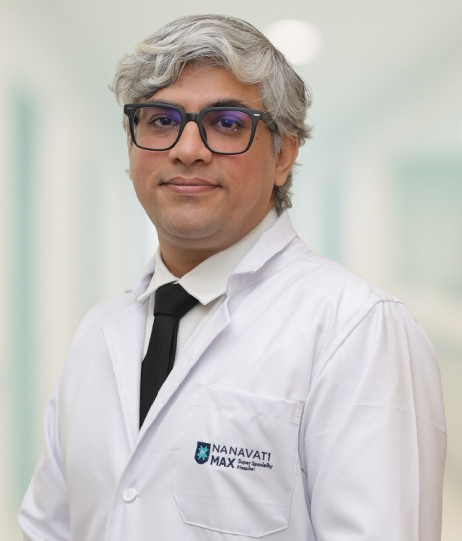
Dr Gulshan Rohra
Associate Director & Head - CTVS
Heart Institute, Cardiothoracic and Vascular Surgery Unit
Languages Spoken: Hindi, English
Can't find what you are looking for?
Frequently Asked Questions
1. Who is a heart surgeon?
A heart surgeon, also known as a cardiac surgeon, is a medical specialist trained to perform surgical procedures on the heart and major blood vessels. They treat serious heart conditions that cannot be managed with medication or non-invasive treatments.
Heart surgeons complete advanced training in cardiothoracic and cardiovascular surgery and work closely with cardiologists, anaesthesiologists, and critical care teams.
2. What does a heart surgeon do?
A heart surgeon performs complex procedures such as:
- Coronary artery bypass grafting (CABG)
- Heart valve repair or replacement
- Surgery for congenital heart defects
- Aortic aneurysm repair
- Heart transplant surgery
- Minimally invasive and robotic cardiac surgery
Their goal is to restore proper heart function, improve blood flow, and prevent life-threatening complications.
3. What diseases are treated by a heart surgeon?
A heart surgeon treats serious cardiovascular conditions, including:
- Coronary artery disease
- Heart valve disease
- Congenital heart defects
- Aortic aneurysm and aortic dissection
- Heart failure requiring surgical intervention
- Cardiac tumours
Surgery is typically recommended when medications, angioplasty, or lifestyle changes are not sufficient.
4. Why choose Nanavati Max Hospital for a heart surgeon?
Nanavati Max Super Speciality Hospital is known for advanced cardiac care supported by:
- Experienced cardiac surgeons and cardiologists
- Modern cardiac operation theatres
- Advanced ICU and critical care facilities
- Minimally invasive and robotic heart surgery options
- 24/7 emergency cardiac services
The hospital follows global protocols to ensure safe surgery, faster recovery, and improved outcomes.
5. What is the difference between a heart doctor and a heart surgeon?
A heart doctor (cardiologist) diagnoses and treats heart diseases using medications, lifestyle management, and non-surgical procedures like angioplasty.
A heart surgeon (cardiac surgeon) performs open-heart or minimally invasive surgeries when structural heart problems require surgical correction.
Often, a cardiologist refers patients to a heart surgeon when surgery becomes necessary.
6. How do I prepare for my first appointment with a heart surgeon?
Before your consultation:
- Carry ECG, echocardiogram, angiography, and blood test reports
- Bring a list of current medications
- Share your medical history (diabetes, BP, thyroid, lung disease)
- Note your symptoms (chest pain, breathlessness, fatigue)
- Prepare questions about treatment options and risks
This helps the surgeon evaluate your condition and recommend the best surgical plan.
7. What should I tell my heart surgeon before surgery?
Inform your heart surgeon about:
- Allergies to medicines or anaesthesia
- Previous surgeries
- Blood thinners or other medications
- Smoking or alcohol use
- Existing medical conditions
Complete transparency ensures safer anaesthesia, proper surgical planning, and smoother recovery.
8. When do I need to see a heart surgeon?
You may need to consult a heart surgeon if:
- You have severely blocked arteries
- You are diagnosed with serious valve disease
- You have a congenital heart defect requiring correction
- You have an aortic aneurysm
- Your cardiologist recommends surgical treatment
Early consultation can prevent complications and improve long-term heart health.