Best Cardiac & Heart Surgeon in Mumbai, India
Choosing the best heart surgeon in Mumbai matters when medication and non-surgical treatment are no longer enough. At Nanavati Max Hospital, our cardiac surgeon in Mumbai performs heart valve repair, bypass surgery, and both minimally invasive and robotic cardiac procedures as part of our Heart Institute's Cardiothoracic and Vascular Surgery Unit. Whether your cardiologist has referred you for surgery or you want a second opinion, you can book an in-person or video consultation with our team below.
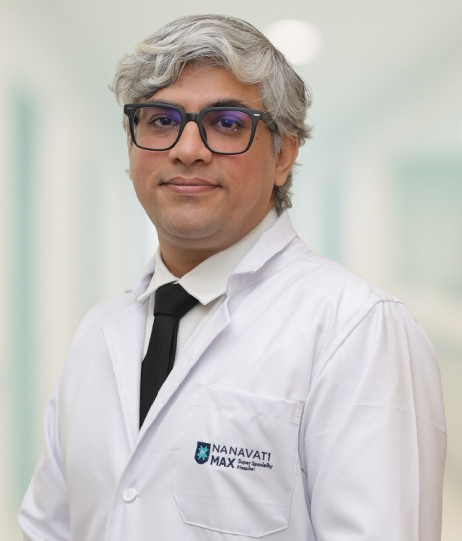
Dr Gulshan Rohra
Associate Director & Head - CTVS
Heart Institute, Cardiothoracic and Vascular Surgery Unit
Languages Spoken: Hindi, English
Can't find what you are looking for?
Frequently Asked Questions
1. What is the difference between a heart surgeon and a cardiac surgeon?
A heart surgeon and a cardiac surgeon are the same specialist -the terms are used interchangeably. Both describe a doctor trained to perform surgery on the heart and the major blood vessels around it, treating conditions that medication or non-surgical procedures cannot resolve. Some cardiac surgeons sub-specialise further - for example, a congenital cardiac surgeon focuses on heart defects present from birth, mostly in infants and children.
2. What is the difference between a cardiac surgeon and a cardiologist?
A cardiologist diagnoses and treats heart conditions using medication, lifestyle guidance, and non-surgical procedures such as angioplasty. A cardiac surgeon performs the operation itself when surgery becomes necessary. In most cases, a cardiologist refers a patient to a cardiac surgeon once they've determined surgery is the right course of treatment.
3. What conditions does a cardiac surgeon treat?
A cardiac surgeon treats heart conditions including heart valve disease, arrhythmias, heart failure, aortic dissection, and congenital heart problems such as ventricular and atrial septal defects. Surgery is typically recommended when medication, angioplasty, or lifestyle changes are no longer sufficient.
4. What procedures does a cardiac surgeon perform?
Common procedures include coronary artery bypass grafting, heart valve repair or replacement, the Maze procedure for arrhythmias, congenital heart surgery, aortic aneurysm repair, device implantation, and heart transplants. These may be performed as open-heart surgery or as minimally invasive, robot-assisted procedures using small incisions and camera-guided instruments.
5. When should I see a cardiac surgeon?
You may need a cardiac surgeon if you have severely blocked arteries, serious valve disease, a congenital heart defect requiring correction, an aortic aneurysm, or if your cardiologist has recommended surgical treatment after other options haven't worked.
6. Do I need a referral to see a cardiac surgeon?
Typically, yes. A primary care doctor or cardiologist first diagnoses the underlying heart problem through tests and evaluation, then refers you to a cardiac surgeon if surgery is the recommended treatment. If you've already been diagnosed elsewhere and want a second opinion on a recommended surgery, you can bring your existing reports to your first consultation.
7. What should I bring to my first appointment, and what should I tell my surgeon?
Bring your ECG, echocardiogram, angiography, and blood test reports, a list of current medications, and a summary of your medical history, including diabetes, blood pressure, or thyroid conditions. Before surgery specifically, also tell your surgeon about any allergies to medicines or anaesthesia, previous surgeries, blood thinners you're taking, and whether you smoke or drink alcohol. This information affects anaesthesia planning and how your surgery is approached.
8. What questions should I ask before heart surgery?
Useful questions include: why is this procedure the best option for me, what is its success rate, how soon do I need it, what should I expect during and after surgery, how long will recovery take, and what lifestyle changes will I need to make afterward. Ask about alternative treatments and the risks of both having and not having the operation.
9. How long is the hospital stay and recovery after heart surgery?
Hospital stay depends on the type of surgery - minor procedures may need 3–4 days, while more invasive open-heart surgery typically requires at least ten days. After surgery, heavy lifting and vigorous exercise are restricted; most patients are guided toward light activity only during the first three months of recovery.
10. Is it normal to feel anxious or low after heart surgery?
Yes. Heart surgery is a major procedure, and feelings of worry or low mood afterward are common. These feelings are usually manageable with the right support from your care team and family during recovery - mention how you're feeling to your doctor rather than assuming it will pass on its own.
11. Why choose Nanavati Max Hospital for cardiac and heart surgery?
Our cardiac surgery team works alongside cardiologists within the Cardiology Hospital in Mumbai, supported by cardiac operation theatres and ICU and critical care facilities, with both minimally invasive and robotic surgery options available.