Best Bone Marrow Transplant Surgeons In Mumbai, India
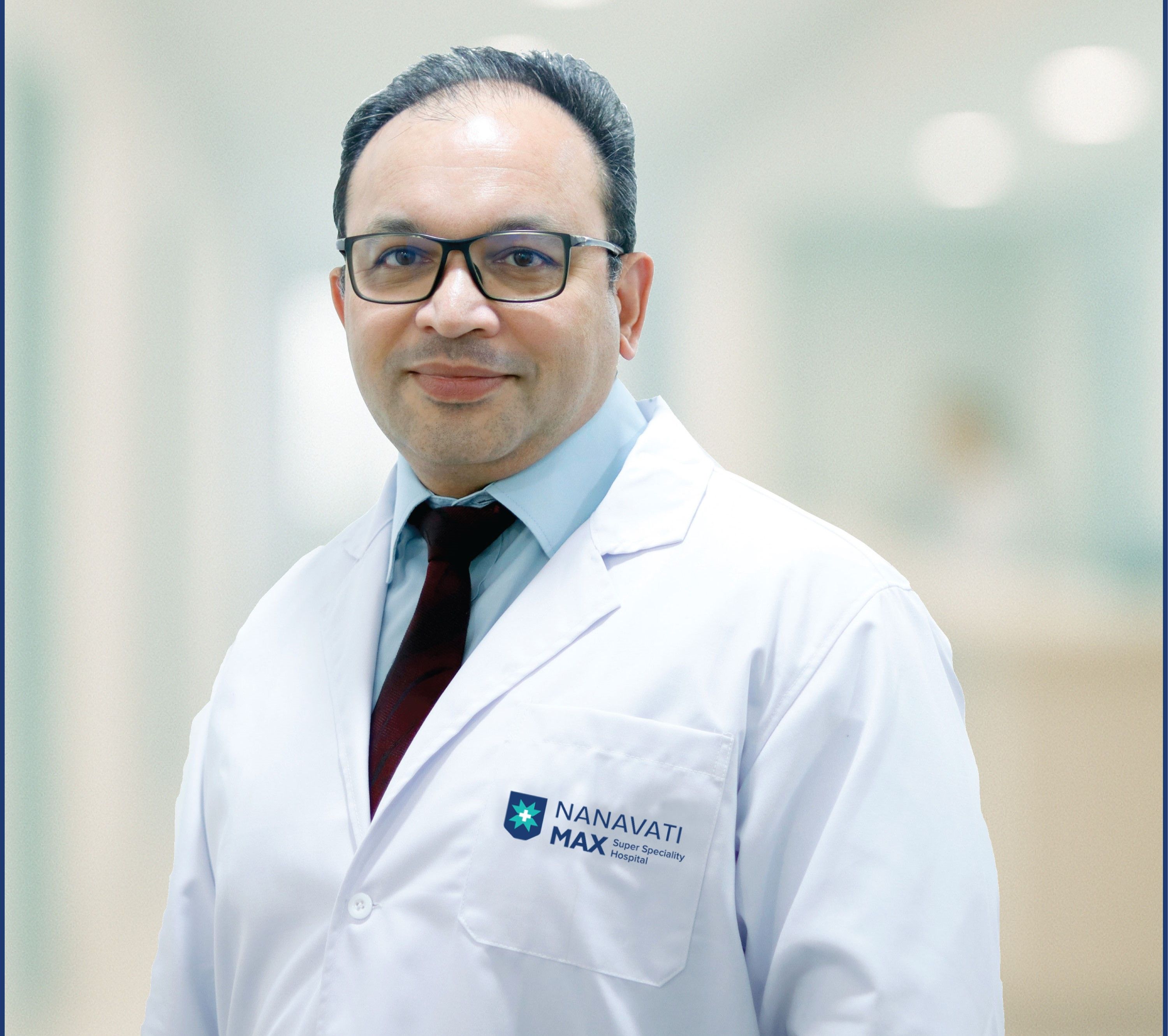
Dr. Sameer Tulpule
Senior Director – Haematology & BMT (Adult)
Nanavati Max Institute of Cancer Care, Centre for Haematology & Bone Marrow Transplant, Autologous Transplant, Hemato-Oncology & Bone Marrow Transplant, Allogeneic Bone Marrow Transplantation, Allogeneic Transplant
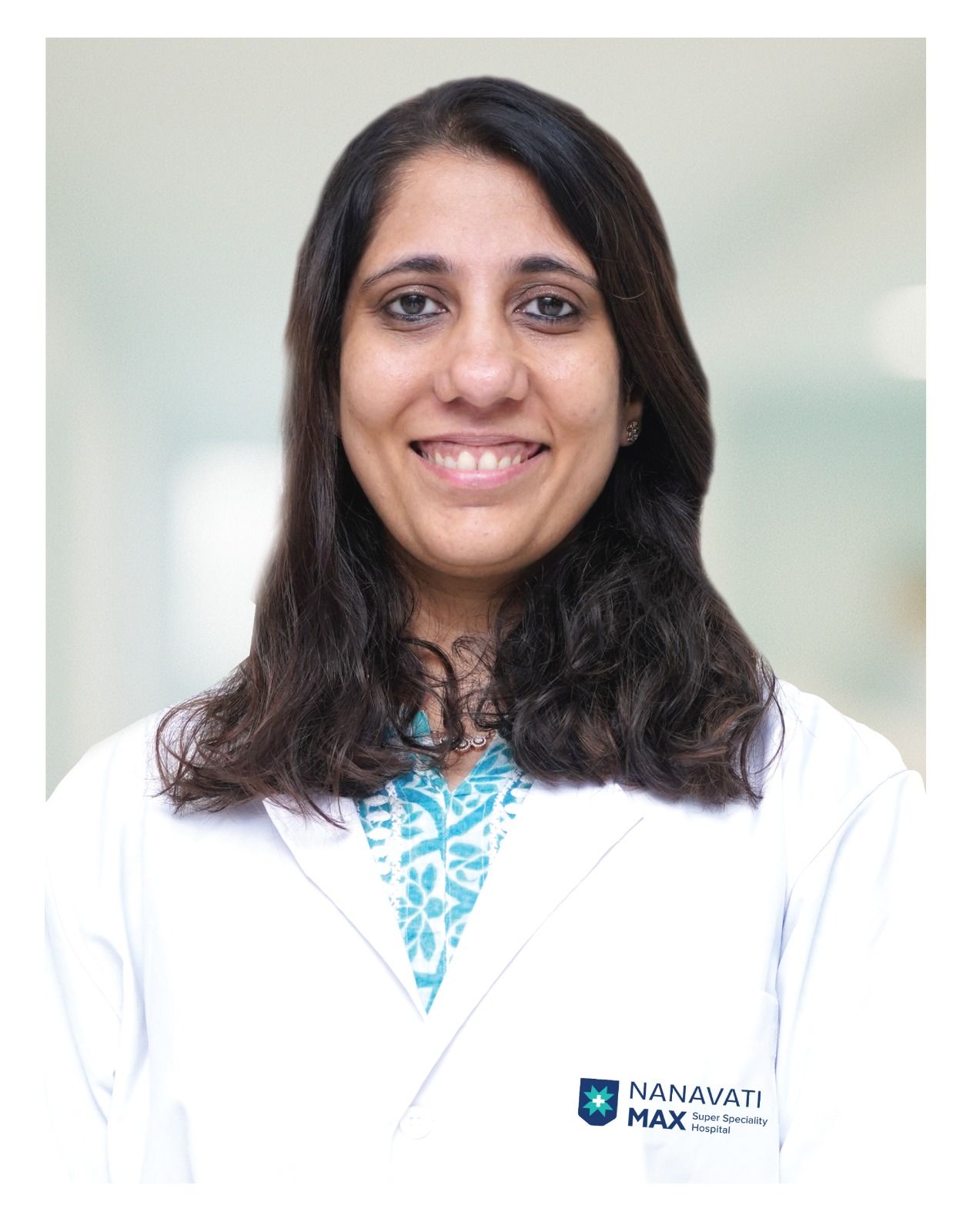
Dr. Nidhi Dhariwal
Consultant - Paediatric Haemato-oncology & BMT
Nanavati Max Institute of Cancer Care, Centre for Haematology & Bone Marrow Transplant, Centre for Child Health, Paediatric Cancer Program, Autologous Transplant, Hemato-Oncology & Bone Marrow Transplant, Allogeneic Bone Marrow Transplantation, Allogeneic Transplant
Can't find what you are looking for?
Frequently Asked Questions
1. Who is a bone marrow transplant specialist?
A bone marrow transplant (BMT) specialist is a specialised doctor trained in performing bone marrow or stem cell transplantation for patients with serious blood disorders, cancers, and immune system diseases. They work as part of a multidisciplinary transplant team that includes haematologists, oncologists, intensivists, and transplant coordinators.
2. What does a bone marrow transplant specialist do?
A bone marrow transplant specialist:
- Evaluates patients to determine suitability for a transplant
- Plans the type of transplant (autologous or allogeneic)
- Oversees stem cell infusion procedures
- Manages transplant-related complications
- Works closely with haematology and oncology teams
- Monitors post-transplant recovery and immune reconstitution
Their role is critical in ensuring safe transplantation and long-term survival.
3. What diseases are treated by a bone marrow transplant specialist?
Bone marrow transplant specialists treat a wide range of life-threatening conditions, including:
- Blood cancers such as leukaemia, lymphoma, and multiple myeloma
- Aplastic anaemia
- Thalassaemia major
- Sickle cell disease
- Myelodysplastic syndromes (MDS)
- Certain immune deficiency disorders
- Relapsed or high-risk cancers
For many of these conditions, a bone marrow transplant can be curative or life-saving.
4. Why choose Nanavati Max Hospital for a bone marrow transplant specialist?
Nanavati Max Super Speciality Hospital offers advanced bone marrow transplant care for both adult and paediatric patients supported by:
- Highly experienced transplant specialists and haematologists
- Dedicated bone marrow transplant units with infection-controlled rooms
- Advanced stem cell processing and transfusion support
- Comprehensive pre- and post-transplant care protocols
- Multidisciplinary expertise for complex and high-risk cases
The hospital follows international transplant guidelines to ensure safety, precision, and successful outcomes.
5. How do I prepare for my first appointment with a bone marrow transplant specialist?
Before your first consultation with a bone marrow transplant specialist:
- Carry all medical records, biopsy reports, and test results
- Bring details of previous treatments or chemotherapy
- List current medications and supplements
- Prepare a family medical history if available
- Note symptoms, infections, or hospitalisations
This helps the specialist assess transplant eligibility and plan further evaluation.
6. What should I tell my bone marrow transplant specialist before the transplant?
You should inform your bone marrow transplant specialist about:
- Previous chemotherapy or radiation therapy
- Existing medical conditions (heart, lung, liver, kidney issues)
- History of infections or immune disorders
- Allergies to medications or blood products
- Lifestyle factors like smoking or alcohol use
Accurate information is essential for safe transplant planning and risk reduction.
7. When do I need to see a bone marrow transplant specialist?
You should consult a bone marrow transplant specialist if:
- You have been diagnosed with a blood cancer or bone marrow disorder
- Standard treatments are no longer effective
- Your doctor recommends a transplant as a curative option
- You have a genetic blood disorder requiring definitive treatment
Early referral improves transplant success rates and long-term outcomes.