Key Symptoms of Paediatric Leukaemia: What to Watch For
By Medical Expert Team
Aug 02 , 2026 | 5 min read

Overview of Paediatric Leukaemia
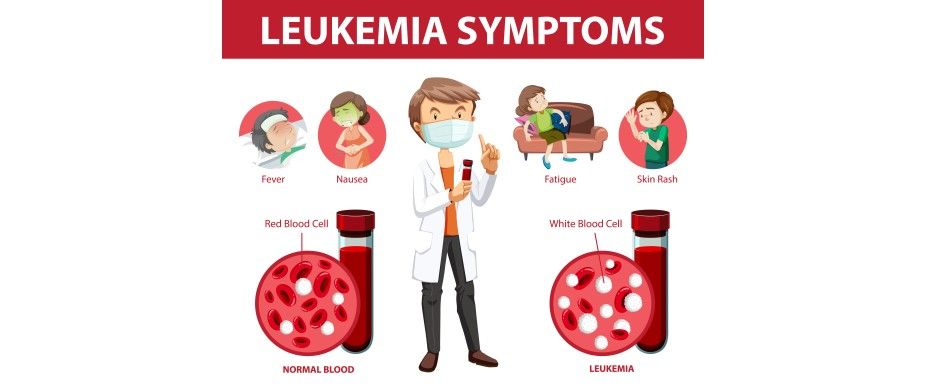
Leukaemia starts in the bone marrow, where blood cells are created. Paediatric leukaemia is a type of cancer that affects children. The white blood cells that otherwise aim to keep the body free of infections begin to multiply abnormally. These cells do not work and start crowding out the normal cells. This, in turn, results in a lot of symptoms that may influence the health of the child and their ability to function well in the usual daily routine of life. Understanding this disease is important to recognise its signs early. This sets the stage for learning about the specific symptoms that could indicate a child might be affected by this challenging condition.
Common Symptoms of Paediatric Leukaemia
When it comes to recognising childhood leukaemia symptoms, understanding the common signs can help in early detection and prompt treatment. These symptoms are often mistaken for common childhood illnesses, which can delay diagnosis. Here are the key Acute Lymphoblastic Leukaemia (ALL) symptoms parents should monitor:
- Fatigue and Weakness: Children may seem more tired than usual, showing little interest in playing or engaging in daily activities.
- Fever and Infections: Frequent fevers and infections are common due to compromised immunity.
- Bruising and Bleeding: Easy bruising, frequent nosebleeds, and bleeding gums are significant Acute Myeloid Leukaemia (AML) symptoms. Children might develop petechiae (small red spots caused by bleeding into the skin).
- Bone Pain or Joint Pain: Unexplained pain in bones or joints that does not result from an injury is a critical indicator.
- Swollen Lymph Nodes: Swelling in the neck, armpits, or groin can occur.
- Pale Skin and Anaemia: Anaemic symptoms such as paleness, dizziness, and feeling breathless may be noticeable.
- Unexplained Weight Loss and Loss of Appetite: Significant weight loss or a decline in appetite without a clear reason should raise concerns.
- Night Sweats: Intense sweating during the night could also be a symptom.
Read More about Chronic Lymphocytic Leukemia
Advanced Paediatric Leukaemia Symptoms
As leukaemia in children progresses, symptoms can become more severe and require immediate attention. Recognising these advanced symptoms is crucial for urgent care. This includes:
- Severe Bone and Joint Pain: Pain might become more intense and less manageable.
- Enlarged Liver or Spleen: This can lead to abdominal swelling or a feeling of fullness.
- Severe Fatigue and Weakness: Increasing intensity of tiredness that does not improve with rest.
- Frequent Bleeding: More frequent occurrences of bleeding episodes, even from minor cuts or injuries.
- Difficulty Breathing: Due to anaemia or infiltration of cancer cells in the lungs.
Know More about Bone Marrow Transplant: Surgery & Types Explained
When to See a Doctor?
It’s important to act quickly if your child shows signs of leukaemia. Watch for symptoms like frequent infections, unusual bruising, or constant fatigue. If these symptoms show up together, it's a sign to see a doctor.
At places like Nanavati Max Super Speciality Hospital, specialists are experienced in recognising and treating paediatric leukaemia. The sooner a child receives a diagnosis and starts treatment, the better their chances for effective treatment. This doesn't mean you should panic at every little symptom, but do not ignore signs that persist or worsen.
Parents should pay close attention to their child’s health and consult a paediatrician if symptoms seem unusual or don’t go away. Trust your instincts; you know your child best. Make a note of all the symptoms your child is experiencing to discuss with the doctor, as this can speed up the diagnosis process. Remember, early medical intervention can make a significant difference in treatment outcomes for paediatric leukaemia.
Conclusion
The identification of essential symptoms of paediatric leukaemia and blood disorder diseases in children, as early as possible, allows effective treatment. As soon as possible, you must look for medical assistance and consult with a doctor, increasing the chance of recovery for a child. After all, time plays a crucial role here: timely attention to symptoms and medical care will be essential. Early intervention not only manages the disease better but also chances for effective treatment results. Be very observant about the changes in your child's health, and do not hesitate to consult a professional immediately if there are any concerns.
Frequently Asked Questions
1. What are the early signs of paediatric leukaemia?
The signs of paediatric leukaemia are fatigue, frequent fevers, frequent infections, and unusual bruising or bleeding. These might resemble common childhood conditions, but it is necessary to note their persistence and severity.
2. How can I differentiate between common childhood illness and leukaemia symptoms?
Leukaemia symptoms often occur in clusters and usually persist longer than most of the more benign childhood diseases, such as viruses or respiratory infections, which usually resolve with simple attention or basic course over time.
3. Can paediatric leukaemia symptoms appear suddenly?
Yes, paediatric leukaemia symptoms can indeed appear suddenly and progress quickly. This sudden onset and quick progression underscore the importance of seeking immediate medical evaluation if you suspect something is wrong.
4. Do paediatric leukaemia symptoms vary by type?
Yes, the signs can vary widely depending on whether the leukaemia is acute or chronic. Chronic usually develops more subtly, and its symptoms are not usually severe, whereas acute leukaemia tends to present with much more imminent symptoms.
5. When should I be concerned about my child’s symptoms?
You should be concerned if your child’s symptoms are persistent, seem unusual, or if your child appears to be unusually sick without showing signs of improvement. Any drastic change in their usual health should prompt a consultation with a healthcare provider.
6. Can leukaemia symptoms mimic other illnesses?
Indeed, leukaemia symptoms often look like symptoms of other diseases, therefore sometimes making it nearly impossible without real proper tests to diagnose.
7. How quickly do leukaemia symptoms develop in children?
Symptoms of leukaemia in children can surface over weeks to months and may deteriorate very quickly depending on the type of leukaemia and other individual health factors.
8. Do all children with leukaemia show the same symptoms?
No, all children will not have the same symptoms, but symptoms could vary from child to child, hence needing individual analysis of the case.
9. What is the best treatment for childhood leukaemia?
Childhood leukaemia treatment can be best achieved by several methods. Chemotherapy is the major treatment usually involved, though this will depend on the kind of leukaemia and the patient. The additional treatments may include radiation therapy, targeted therapy, or, in some cases, stem cell transplants.

Related Blogs

Dr. Manish Agarwal In Nanavati Max Institute of Cancer Care
Oct 06 , 2026 | 8 min read

Dr. Muzammil Shaikh In Nanavati Max Institute of Cancer Care
Oct 06 , 2026 | 2 min read

Medical Expert Team
Oct 06 , 2026 | 5 min read
Most read Blogs



Related Blogs
Dr. Manish Agarwal In Nanavati Max Institute of Cancer Care
Oct 06 , 2026 | 8 min read
Dr. Muzammil Shaikh In Nanavati Max Institute of Cancer Care
Oct 06 , 2026 | 2 min read
Medical Expert Team
Oct 06 , 2026 | 5 min read
Most read Blogs