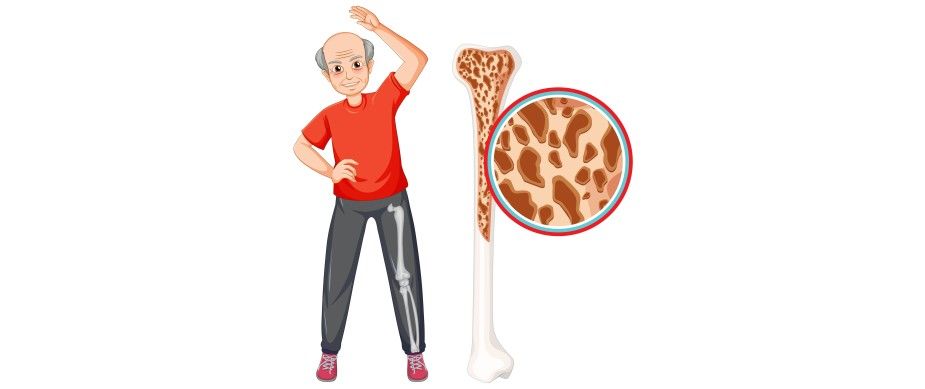
Chemotherapy for Bone Cancer: What You Should Know
By Dr. Muzammil Shaikh in Medical Oncology
Aug 04 , 2026 | 5 min read

Chemotherapy is one of the most common treatments for bone cancer, often used alongside surgery or radiation to improve outcomes. It works by using powerful drugs to target and destroy cancer cells, but understanding how it fits into your treatment plan is crucial.
What is Bone Cancer?
Bone cancer starts when abnormal cells in the bone grow out of control and form a mass called a tumour. It can develop in any bone, but it often shows up in the arms, legs, or pelvis.
Common Types of Bone Cancer
Bone cancer isn’t one single disease; it’s a group of different types.
- Osteosarcoma is the most common in young people and usually begins in the long bones.
- Ewing Sarcoma also affects children and young adults, but it can grow in bones or soft tissues.
- Then there's Chondrosarcoma, which starts in the cartilage and is usually seen in adults.
Each of these behaves differently, and so does the treatment plan.
What is Chemotherapy for Bone Cancer?
Chemotherapy means using drugs to destroy cancer cells. Chemotherapy treatment helps to either shrink the tumour before surgery or kill any leftover cells after. It’s also used when the cancer has spread beyond the bone.
These drugs circulate through the bloodstream, allowing them to reach cancer cells, even in distant parts of the body. That’s one reason why chemotherapy for bone cancer plays a key role in treatment. It’s not just about where the tumour started, but where it might go.
When is Chemotherapy Used in Bone Cancer Treatment?
Chemotherapy is part of the treatment plan in many situations. When used as the main treatment, it tries to control or eliminate the tumour directly. If the goal is surgery, chemo may come before the procedure (called neoadjuvant chemo) to make the tumour easier to remove. It’s also given after surgery (adjuvant chemo) to catch any remaining cancer cells.
In more advanced cases where the cancer has spread, chemotherapy helps control its growth and relieve symptoms. It may not cure the disease at that point, but it can offer time, comfort, and a better quality of life.
Know More about Understanding Different Types of Cancer Treatments
The Chemotherapy Process for Bone Cancer Patients
Getting ready for chemotherapy starts with a full health check. The doctor will review your test results, assess your general health, and then plan your treatment. Some patients may need a port or catheter for easier drug delivery, especially if the plan includes many cycles.
Treatment is administered in cycles, typically every few weeks, to allow your body time to recover between sessions. It can be delivered through a vein or, sometimes, in tablet form. The full course might last for a few months, with regular monitoring to check how the tumour is responding.
Side Effects of Chemotherapy for Bone Cancer
Chemotherapy is powerful, and while it targets cancer cells, it can also affect healthy ones. That’s why side effects happen. In the short term, you might see tiredness, nausea, hair loss, or a drop in blood cell counts. These effects vary from person to person and typically improve after treatment ends.
Some side effects may last longer or show up later, like nerve problems, fertility issues, or changes in heart health, depending on the drug. But doctors are prepared for this. They often adjust the dose or administer additional medications to manage these effects. Open conversations with your care team can make a big difference in how you feel.
Read More about Cancer Prevention: How Can a Healthy Lifestyle or Diet Reduce The Risk of Cancer?
Success Rates and Prognosis
How well chemotherapy for bone cancer works depends on several things, like the type of cancer, how early it's diagnosed, age, general health, and how the tumour responds to treatment. Osteosarcoma and Ewing sarcoma often respond well when treated early with a combination of chemotherapy and surgery.
Survival rates vary, but outcomes are improving with better drugs and more precise treatment plans. For many, chemo gives a real shot at remission. For others, it becomes a tool to manage the illness and maintain their comfort. What matters most is early diagnosis, expert care, and adhering to treatment plans.
Living Through Chemotherapy for Bone Cancer
The journey doesn’t end in the hospital. What you eat, how you rest, and the support you have, all of it matters. A balanced Indian diet with enough calories, proteins, and fluids can help your body recover.
Mental health is just as important. This is a challenging phase, and feeling anxious, sad, or overwhelmed is a normal response. Talking to a counsellor or joining a cancer support group can help. Knowing that others are walking a similar path offers strength.
Family and friends play a significant role as well. Even small gestures, such as accompanying the patient to appointments or helping with meals, can make a significant difference. Hospitals like Nanavati Max Super Speciality Hospital also have dedicated teams for psychological and nutritional care, which many patients find very helpful.
Read More about Key Bone Cancer Symptoms You Shouldn't Ignore
Conclusion
Chemotherapy for bone cancer may sound intimidating, but it remains one of the most effective ways to treat certain types of bone cancer. From reducing the tumour to preventing it from coming back, chemo plays a central role in many treatment plans. Yes, the road can be difficult. But with the proper care, information, and support, patients and families can feel more prepared and less alone.
At Nanavati Max Super Speciality Hospital, we care deeply about making this journey as smooth and supported as possible. From world-class oncologists and chemotherapy units to personalised nutritional and emotional support, we’re with you every step of the way.
Frequently Asked Questions
1. Is Chemotherapy always required for bone cancer treatment?
Some types, like Chondrosarcoma, don’t respond well to chemotherapy, so doctors may rely more on surgery. But for others, especially osteosarcoma and Ewing sarcoma, chemo is usually a key part of treatment.
2. What are the most effective chemotherapy drugs for bone cancer?
It depends on the cancer type. Common ones include methotrexate, doxorubicin, and cisplatin for osteosarcoma, as well as vincristine, ifosfamide, and etoposide for Ewing sarcoma. The oncologist will choose based on your diagnosis and response to treatment.
3. Can chemotherapy cure bone cancer completely?
It can, especially if the cancer is caught early and hasn’t spread. But it also depends on the tumour’s behaviour and how your body responds. In advanced cases, chemo can still help control the disease and improve comfort.
4. Is chemotherapy painful or uncomfortable?
The process itself isn’t painful, apart from a bit of discomfort from the IV. Some side effects, such as tiredness or nausea, can cause discomfort, but these are often managed with medication and care from your healthcare team.

Written and Verified by:

Related Blogs

Dr. Muzammil Shaikh In Medical Oncology
Oct 06 , 2026 | 4 min read

Dr. Muzammil Shaikh In Medical Oncology , Head, Face and Neck Cancer Program
Oct 06 , 2026 | 4 min read

Dr. Muzammil Shaikh In Medical Oncology , Nanavati Max Institute of Cancer Care
Oct 06 , 2026 | 2 min read
Blogs by Doctor
CEA Test Normal Range: Understanding High and Low Values
Dr. Muzammil Shaikh In Medical Oncology
Oct 06 , 2026 | 4 min read

When is Itchy Skin a Sign of Cancer?
Dr. Muzammil Shaikh In Nanavati Max Institute of Cancer Care
Oct 06 , 2026 | 2 min read
Cancer Prevention: Early Diagnosis, Screening, Stages & Treatment
Dr. Muzammil Shaikh In Medical Oncology , Head, Face and Neck Cancer Program
Oct 06 , 2026 | 4 min read
Most read Blogs



Related Blogs
Dr. Muzammil Shaikh In Medical Oncology
Oct 06 , 2026 | 4 min read
Dr. Muzammil Shaikh In Medical Oncology , Head, Face and Neck Cancer Program
Oct 06 , 2026 | 4 min read
Dr. Muzammil Shaikh In Medical Oncology , Nanavati Max Institute of Cancer Care
Oct 06 , 2026 | 2 min read
Blogs by Doctor
CEA Test Normal Range: Understanding High and Low Values
Dr. Muzammil Shaikh In Medical Oncology
Oct 06 , 2026 | 4 min read
When is Itchy Skin a Sign of Cancer?
Dr. Muzammil Shaikh In Nanavati Max Institute of Cancer Care
Oct 06 , 2026 | 2 min read
Cancer Prevention: Early Diagnosis, Screening, Stages & Treatment
Dr. Muzammil Shaikh In Medical Oncology , Head, Face and Neck Cancer Program
Oct 06 , 2026 | 4 min read
Most read Blogs