Sinus Infection Symptoms: How to Recognise and Treat Them
By Dr. Amol Patil in Centre for Neurosciences
Aug 02 , 2026 | 5 min read

A sinus infection, or sinusitis, is more than a stuffy nose. It’s that heavy, congested feeling in your face, the headache that lingers all day, and the uncomfortable pressure behind your eyes that won’t go away. It’s a common condition, often triggered by infections, allergies, or environmental irritants, affecting millions yearly.
Identifying the signs of a sinus infection early will allow you to act before it worsens. Most people mistake it for a common cold, but its symptoms persist and may worsen if not treated. Knowing the differences between a common cold and sinusitis simplifies it for you to identify when to go see a doctor.
What is a Sinus Infection?
Sinus infection is caused by inflammation in the sinuses - the air spaces located behind your face, between your cheeks and nose. The sinuses secrete mucus to trap dust, bacteria, and allergens before they reach the lungs. But when the sinuses are clogged by swelling or overproduction of mucus, they can become an infection home.
Sinuses filter the air you breathe and help regulate humidity. When blocked, they can cause nasal congestion, headaches, and facial pain.
There are various kinds of sinus infections based on the cause. Viral sinus infections are most common and tend to go away by themselves. Bacterial sinus infections will last longer and might need antibiotics. Fungal sinus infections are uncommon but will happen in people with compromised immune systems. It is helpful to know the cause to determine the proper treatment.
Symptoms of Sinus Infection
Some of the common symptoms of Sinus Infections are:
Nasal Congestion and Discharge
One of the earliest and most common symptoms of a sinus infection is persistent nasal congestion. Inflamed sinuses cause mucus buildup, making it difficult to breathe. This congestion is often accompanied by thick nasal discharge, typically yellow or green, indicating the body’s response to infection.
Facial Pressure and Pain
Sinus infections often cause a sensation of pressure and pain around the forehead, nose, and under the eyes. This discomfort tends to worsen when bending forward, as the inflamed sinuses create internal pressure due to trapped mucus.
Persistent Cough and Postnasal Drip
Many individuals experience a lingering cough, especially at night, due to postnasal drip—when mucus drains down the throat. This can lead to throat irritation and frequent coughing, disrupting sleep.
Fever and Fatigue
A sinus infection can sometimes lead to fever and chills, particularly if a bacterial infection is present. This may be accompanied by general fatigue as the body fights off the infection.
Loss of Smell and Taste
Blocked sinuses can restrict airflow to the smell receptors, leading to a diminished or lost sense of smell and taste. In chronic sinus infections, this symptom may persist for weeks, affecting appetite and overall quality of life.
Symptoms of Sinus in Children
Young children may not always be able to express their discomfort, making it important to watch for subtle signs. Common symptoms include:
- Persistent nasal congestion or thick discharge
- Increased irritability or crankiness
- Difficulty feeding, especially in infants
- Trouble sleeping due to discomfort
- Coughing, particularly at night due to postnasal drip
Since young children’s sinuses are still developing, their symptoms may be milder but prolonged. If symptoms persist or worsen, medical attention may be necessary.
How to Diagnose a Sinus Infection?
Doctors diagnose sinus infections based on symptoms and a physical examination. A healthcare provider will check for facial tenderness, swelling, and congestion by pressing on the sinus areas.
For cases that don’t improve, imaging tests like CT scans may be used to get a clear picture of the sinuses. This helps detect blockages, inflammation, or structural issues that could be contributing to recurring infections.
In persistent infections, lab tests can determine if bacteria or fungi are causing the problem. If symptoms last for more than ten days or worsen after initial improvement, a bacterial infection may be present, requiring targeted treatment.
Treatment for Sinus Infections
Medications for Sinus Infections
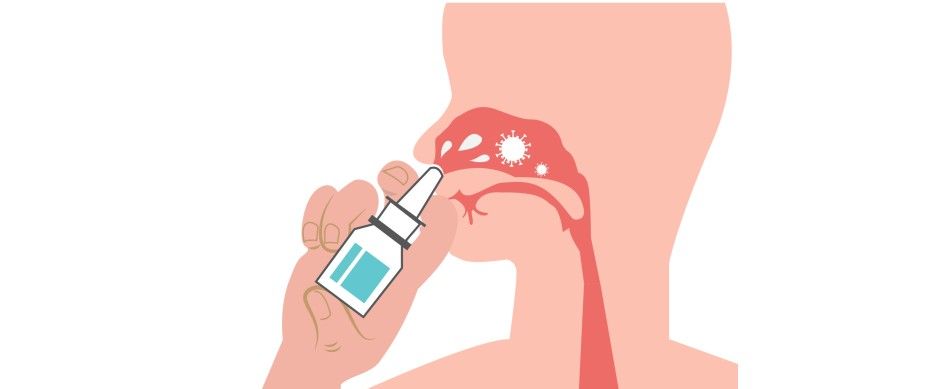
Most viral sinus infections improve on their own, but medications can help relieve symptoms. Over-the-counter decongestants, saline sprays, and antihistamines can reduce swelling and improve drainage. If allergies are triggering sinus issues, managing nasal congestion with antihistamines can prevent infections from developing.
For bacterial sinus infections, antibiotics may be prescribed, but only when symptoms are severe or persistent. Taking antibiotics unnecessarily can lead to resistance, so they’re used only when needed.
Home Remedies and Self-Care
Simple home treatments can speed up recovery. Steam inhalation, whether from a hot shower or a bowl of boiling water, helps loosen mucus and relieve congestion. Saline nasal rinses, like using a neti pot, flush out irritants and clear blocked sinuses.
Drinking warm fluids like ginger tea, turmeric milk, and soups helps keep mucus thin and reduces throat irritation. Rest is also essential, as the body needs time to fight off the infection.
Surgical Treatment for Chronic Sinus Infections
When sinus infections become chronic, surgery may be necessary. Procedures like balloon sinuplasty open blocked sinuses, allowing proper airflow and drainage. In some cases, removing nasal polyps or correcting a deviated septum can prevent repeated infections.
At Nanavati Max Super Speciality Hospital, we offer advanced diagnostic tools and expert care to help patients manage chronic sinus issues effectively.
Conclusion
A sinus infection may begin as a minor problem, but if not treated, it can become a serious health problem. Identifying symptoms early and acting on them can avoid complications and enhance comfort during the day. At Nanavati Max Super Speciality Hospital, we are experts in the diagnosis and treatment of sinus infections to provide long-term relief and improved sinus health. Book an appointment with our ENT specialists today and breathe easy once again.
Frequently Asked Questions
1. How can I tell if I have a sinus infection or a cold?
A cold usually lasts a few days and includes a runny nose and mild fever. A sinus infection lasts longer, with thick nasal discharge, facial pain, and persistent congestion that doesn’t improve.
2. When should I see a doctor for a sinus infection?
If symptoms persist beyond 10 days, worsen after initial improvement, or include high fever, swelling, or severe pain, it’s time to see a doctor.
3. Can sinus infections go away without antibiotics?
Yes, most sinus infections are viral and improve on their own. Antibiotics are only needed for bacterial infections, which last longer and come with severe symptoms.
4. What are the best home remedies for sinus infections?
Steam inhalation, saline rinses, warm fluids, and rest help clear congestion and reduce discomfort. Avoiding allergens and staying hydrated can also aid recovery.
5. Are chronic sinus infections dangerous?
Yes, long-term sinus infections can lead to permanent sinus damage, breathing difficulties, and increased respiratory infections. Seeking medical treatment can prevent complications.

Written and Verified by: