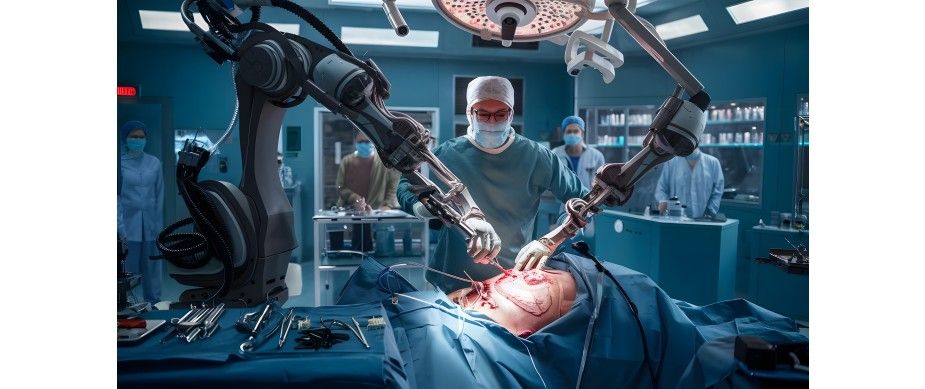
Robotic Thyroid Surgery: Benefits Over Traditional Thyroidectomy
By Dr Manoj Jain in Centre for Robotic Surgery
Oct 06 , 2026 | 4 min read

Thyroid conditions can affect physical comfort, energy levels, and emotional well-being. When surgery is advised, many patients and families feel anxious about the procedure, recovery, and long-term impact. Understanding available surgical approaches can help reduce uncertainty and support informed discussions with specialists. One such approach is robotic-assisted thyroid surgery, which has emerged as an alternative to conventional thyroid removal in selected cases.
Understanding Robotic Thyroid Surgery
Robotic thyroid surgery is a minimally invasive technique that uses advanced surgical systems to remove thyroid tissue with a high level of precision and control. In this approach, the surgeon operates robotic arms from a specialised console, where hand movements are translated into highly accurate actions. Unlike conventional surgery, which requires a direct incision over the neck, robotic procedures access the thyroid through alternative pathways. This helps limit visible scarring and reduces disruption to surrounding tissues, while maintaining surgical accuracy and control.
Conditions Treated with Robotic Thyroid Surgery
This technique may be considered in selected thyroid conditions, depending on clinical evaluation and disease characteristics. These include:
- Thyroid nodules requiring surgical removal
- Enlarged thyroid glands causing pressure symptoms
- Certain early-stage thyroid cancers for which surgical removal is advised
The suitability is determined through imaging, examination, and specialist assessment.
Read More about the Signs and Symptoms of Thyroid Cancer
How Robotic Thyroid Surgery Works?
This approach combines advanced technology with surgical expertise to improve access and visibility during thyroid procedures.
Robotic Technology
The robotic system provides a high-definition, magnified view of the surgical field. This enhanced visual clarity helps surgeons identify delicate structures such as nerves and blood vessels more clearly. Robotic instruments offer a greater range of motion than the human hand, allowing precise dissection and controlled tissue handling in confined spaces.
Surgical Approaches Used in Surgery
Different access routes may be used to reach the thyroid gland while avoiding a direct neck incision. These include:
- Transaxillary approach, using an incision in the underarm area
- Other remote-access methods are designed to reduce visible scarring
The choice of approach depends on anatomy, disease extent, and surgical expertise.
Benefits of Surgery
Robotic-assisted procedures offer several potential advantages when compared with traditional open thyroid surgery in appropriate cases.
Cosmetic Advantages
One of the most noticeable benefits is reduced or absent scarring on the neck. By placing incisions away from the neck, visible marks are minimised, which may be important for patients concerned about appearance and confidence.
Surgical Precision and Safety
Enhanced visualisation and controlled instrument movement allow surgeons to work carefully around sensitive structures. This supports precise tissue removal and careful handling of nerves involved in voice function.
Faster Recovery and Less Discomfort
Many patients experience:
- Reduced tissue disruption
- Shorter hospital stays in suitable cases
- Earlier return to daily activities, depending on individual recovery
Recovery experiences vary, and postoperative care is personalised accordingly.
Learn More about the Thyroid Disorders
Robotic Thyroid Surgery vs Traditional Thyroidectomy
Understanding the differences between these two approaches helps patients better appreciate why one method may be recommended over another.
Surgical Techniques
Traditional thyroid surgery (thyroidectomy) typically involves a direct incision at the front of the neck. In contrast, robotic-assisted procedures use remote access points, which may result in:
- Smaller or concealed incisions
- Reduced surface tissue impact
- Enhanced precision through magnified views
Recovery and Outcome Differences
Patients undergoing robotic-assisted surgery may notice:
- Less visible scarring
- Gradual return to normal neck movement
- Comparable clinical outcomes when appropriately selected
Long-term results depend on the diagnosis, the extent of surgery and follow-up care.
Suitability for Robotic Thyroid Surgery
Not all thyroid conditions or patients are suitable for robotic-assisted procedures. Suitability is determined by a detailed clinical evaluation.
Factors that influence consideration include:
- Size and location of the thyroid condition
- Extent of tissue involvement
- Neck anatomy and body structure
- Previous neck surgeries
Specialists assess these factors carefully before recommending an approach.
Risks and Limitations
While robotic-assisted techniques offer benefits, they also have limitations.
- The procedure requires specialised surgical training and infrastructure
- It may not be suitable for advanced or extensively spread disease
- Access and availability may vary across centres
All surgical approaches carry risks, which are discussed in detail during preoperative counselling.
Preparing for the Surgery
Preparation begins well before the procedure and involves a thorough evaluation.
This typically includes:
- Imaging studies to assess the thyroid and surrounding structures
- Blood tests and general health assessment
- Detailed discussions about the procedure, recovery and expectations
Patients are guided through each step to ensure clarity and preparedness.
Read More about the Symptoms of Thyroid Cancer in Women
Post-Surgery Recovery and Follow-Up
After surgery, care focuses on recovery, monitoring and long-term wellbeing.
Immediate postoperative care includes:
- Observation for voice changes or swallowing discomfort
- Pain management personalised to individual needs
- Gradual return to regular activity under guidance
At Nanavati Max Super Speciality Hospital, long-term follow-up helps track healing and thyroid function through structured postoperative protocols.
Conclusion
Robotic-assisted thyroid surgery represents an advancement in surgical care for selected thyroid conditions. By offering improved precision, reduced visible scarring, and a carefully controlled surgical approach, it provides an alternative to conventional thyroid removal in suitable patients.
Choosing the most appropriate surgical method requires detailed evaluation and expert guidance. Open discussions with experienced specialists help patients understand available options, expected outcomes, and long-term care needs. Informed decision-making, supported by specialised teams, remains central to achieving safe and effective thyroid treatment outcomes.
Frequently Asked Questions
1. Will robotic thyroid surgery affect my voice permanently?
Temporary voice changes can occur after surgery, but permanent voice issues are uncommon when the procedure is performed carefully.
2. How long does robotic thyroid surgery usually take?
The duration may vary depending on the complexity of the case, but it generally takes longer than conventional surgery due to the setup and precision involved.
3. Is robotic thyroid surgery painful?
Most patients experience mild to moderate discomfort, which is usually manageable with prescribed medication.
4. Will I need lifelong medication after thyroid surgery?
This depends on how much thyroid tissue is removed. Some patients may require long-term hormone replacement therapy.
5. How soon can I resume normal activities after surgery?
Light activities can usually be resumed within a few days, while full recovery and return to routine activities may take a couple of weeks, depending on individual healing.

Written and Verified by:

Related Blogs


Medical Expert Team
Aug 04 , 2026 | 3 min read
Blogs by Doctor

Body Mass Index Chart: BMI Ranges for Men, Women, and How to Calculate
Dr Manoj Jain In Gastrointestinal Cancer Program
Oct 06 , 2026 | 6 min read

Bariatric Surgery at Nanavati Max Hospital
Dr Manoj Jain In Bariatric Surgery
Oct 06 , 2026 | 6 min read
Most read Blogs



Related Blogs
Medical Expert Team
Aug 04 , 2026 | 3 min read
Blogs by Doctor
Body Mass Index Chart: BMI Ranges for Men, Women, and How to Calculate
Dr Manoj Jain In Gastrointestinal Cancer Program
Oct 06 , 2026 | 6 min read
Bariatric Surgery at Nanavati Max Hospital
Dr Manoj Jain In Bariatric Surgery
Oct 06 , 2026 | 6 min read
Most read Blogs