Lipid Profile Test: All You Need to Know
By Dr. Hemalata Arora in Heart Institute
Aug 05 , 2026 | 5 min read

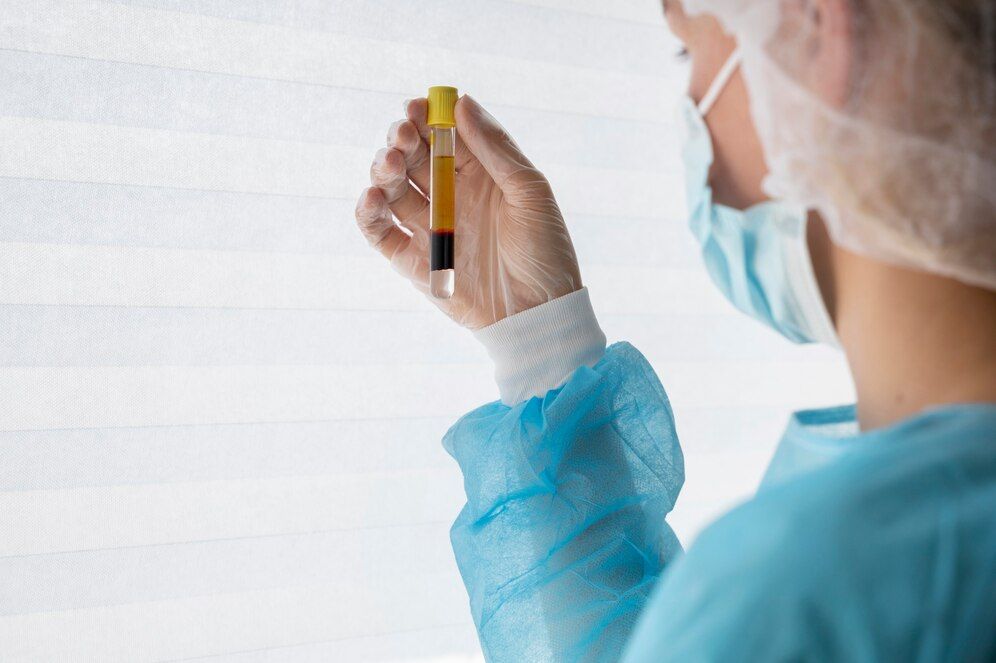
When was the last time you thought about the health of your heart? Cholesterol and triglycerides do not often come to mind, but these elements play a significant role in your heart health and overall well-being. A lipid profile test is a simple blood test that measures cholesterol and triglyceride levels, key indicators of your heart health. This post will explain everything you want to know regarding this essential test, starting with what it measures and why it matters, including how to interpret your result.
What is Lipid Profile Test
A lipid profile test is a diagnostic examination that measures various forms of fats in your blood, including cholesterol and triglycerides. Cholesterol is essential for building cells and producing hormones; however, when its level becomes too high, it will likely increase your heart problems. The test measures total cholesterol, "good" cholesterol (HDL), "bad" cholesterol (LDL), and triglycerides.
What is a Lipid Profile Test Used for?
Doctors use it to assess your risk of heart disease, strokes, and other cardiovascular conditions. It’s like a health check for your arteries, helping you understand whether they’re free-flowing or at risk of narrowing due to fat deposits.
A lipid profile test isn’t something you need every day, but there are certain situations where it becomes necessary. Doctors recommend it if you’re over 20 years old, especially as part of routine health screenings every 4–6 years. If you have a family history of heart disease, diabetes, or high cholesterol, it’s important to get tested sooner and more frequently. Other factors, like obesity, high blood pressure, or a sedentary lifestyle, might also make this test a priority for you.
Key Components of a Lipid Profile Test
When you receive your lipid profile test results, they’ll include a breakdown of various components. Let’s take a closer look at each one.
1. Total Cholesterol
Total cholesterol is the sum of all cholesterol in your blood. It’s important because while some cholesterol is needed for cell repair and hormone production, too much can increase your risk of plaque buildup in your arteries. Ideally, your total cholesterol should be below 200 mg/dL to stay within a healthy range.
2. HDL (High-Density Lipoprotein)
You’ve probably heard HDL referred to as "good cholesterol," and for good reason. It helps remove excess cholesterol from your bloodstream and prevents it from building up in your arteries. Higher HDL levels are better - think of it as your body’s internal clean-up section. A healthy range is above 40 mg/dL for men and above 50 mg/dL for women.
3. LDL (Low-Density Lipoprotein)
On the other side side, LDL is often called "bad cholesterol." It’s the type that sticks to your artery walls, forming plaques that restrict blood flow and increase the risk of heart disease. Ideally, you want your LDL levels to stay under 100 mg/dL.
4. Triglycerides
Triglycerides are fats stored in your body for energy. While they’re a normal part of your diet, high levels can spell trouble, especially if you consume too many fried foods, sugary snacks, or alcohol. Normal levels are below 150 mg/dL.
5. VLDL (Very Low-Density Lipoprotein)
Although not as commonly mentioned as HDL or LDL, VLDL plays a role in carrying triglycerides through your bloodstream. High VLDL levels are a cause of concern for heart health as they contribute to plaque buildup in arteries, increasing the risk of heart disease.
Lipid Profile Test Normal Range
To make sense of your lipid profile test results, it’s helpful to know the ideal ranges. Here’s a quick look at the lipid profile test normal range for each component:
- Total Cholesterol: <200 mg/dL
- HDL: >40 mg/dL for men, >50 mg/dL for women
- LDL: <100 mg/dL
- Triglycerides: <150 mg/dL
However, these numbers may vary with age, gender, and even individual health factors. That’s why it’s important to discuss your results with a doctor who can interpret them in the context of your overall health.
Why Fasting is Required for a Lipid Profile Test?
You may have heard that fasting is a must before a lipid profile test, and there’s a good reason for it. Eating before the test, especially a meal high in fat or sugar, can temporarily elevate triglyceride levels, leading to inaccurate results. Fasting for 9-12 hours makes sure your blood sample reflects your usual levels rather than a post-meal spike.
Interestingly, non-fasting lipid tests have gained acceptance in specific cases in recent years. This approach works only for people who need their total cholesterol and HDL levels checked. However, fasting remains the preferred method for a comprehensive test.
Does a Lipid Panel Test Liver Function?
A lipid profile test does not directly assess liver function. Instead, it focuses on cholesterol and triglycerides, providing insights into cardiovascular health. However, abnormal lipid levels might hint at liver issues like fatty liver disease, prompting further testing to confirm.
If your doctor notices something unusual in your lipid results, they may recommend liver function tests to explore potential underlying causes.
Lipid Profile Test Results
Once you have your lipid profile test results, the next step is understanding what they mean. High LDL levels or low HDL levels might indicate a higher risk of heart disease. Elevated triglycerides could point to poor dietary habits or uncontrolled diabetes.
When to Seek Medical Advice?
If your results fall outside the normal range, it’s important to seek medical advice. At Nanavati Max Super Speciality Hospital, we can explain what your results mean and create a personalised plan for improving your lipid levels.
Frequently Asked Questions
1. What is a Lipid Profile Test Used For?
It measures cholesterol and triglyceride levels in your blood to check the heart disease risk and guide preventive care.
2. What is The Normal Range For a Lipid Profile Test?
The normal range for a lipid profile test is as follows:
- Total Cholesterol: <200 mg/dL
- HDL: >40 mg/dL for men, >50 mg/dL for women
- LDL: <100 mg/dL
- Triglycerides: <150 mg/dL
3. Does a Lipid Panel Test Liver Function?
No, it does not. However, abnormal lipid levels may prompt additional liver function testing.
4. Why is Fasting Required for a Lipid Profile Test?
Fasting provides a baseline measurement of triglycerides, which can spike after food intake.
5. How Long Does It Take To Get Lipid Profile Test Results?
Usually, results are available within 24–48 hours.
6. Can I Eat Before a Lipid Profile Test?
Eating before the test may alter triglyceride levels, so fasting is usually recommended unless instructed otherwise.
7. How Often Should I Get a Lipid Profile Test?
Adults over 20 years should get tested every 4–6 years. Those with risk factors may require more frequent testing.
8. What Lifestyle Changes Can Help Improve My Lipid Profile?
Some of the most beneficial lifestyle changes that you can make to improve your lipid profile are:
- Maintaining a balanced diet.
- Exercising regularly.
- Avoiding smoking and limiting alcohol intake.
9. What are The Risks of High LDL and Low HDL Cholesterol Levels?
High LDL increases plaque buildup, while low HDL reduces the body's ability to clear cholesterol, raising heart disease risks.
10. Are There Specific Foods to Avoid if I Have High Cholesterol?
Yes, avoid foods high in saturated fats, trans fats, and cholesterol, like fried foods and processed snacks.

Written and Verified by:

Related Blogs


Medical Expert Team
Aug 31 , 2026 | 2 min read
Blogs by Doctor
Flexon Tablet: An Overview of Its Uses, Dosage, and Safety Precautions
Dr. Hemalata Arora In Internal Medicine
Oct 23 , 2026 | 6 min read

High Hemoglobin Levels - Everything You Need to Know
Dr. Hemalata Arora In Internal Medicine
Oct 22 , 2026 | 8 min read
Saridon Tablet: Complete Guide to Uses, Benefits, Dosage & Side Effects
Dr. Hemalata Arora In Internal Medicine
Oct 21 , 2026 | 4 min read
Most read Blogs



Related Blogs
Medical Expert Team
Aug 31 , 2026 | 2 min read
Blogs by Doctor
Flexon Tablet: An Overview of Its Uses, Dosage, and Safety Precautions
Dr. Hemalata Arora In Internal Medicine
Oct 23 , 2026 | 6 min read
High Hemoglobin Levels - Everything You Need to Know
Dr. Hemalata Arora In Internal Medicine
Oct 22 , 2026 | 8 min read
Saridon Tablet: Complete Guide to Uses, Benefits, Dosage & Side Effects
Dr. Hemalata Arora In Internal Medicine
Oct 21 , 2026 | 4 min read
Most read Blogs