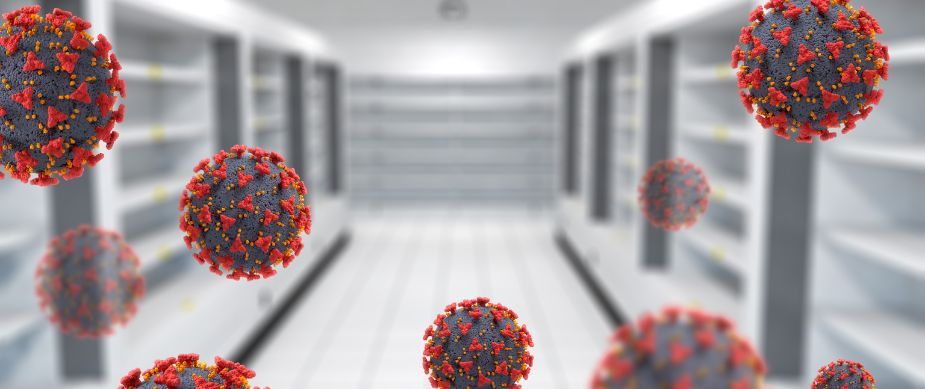
Everything You Need to Know About Human Metapneumovirus (HMPV)
By Dr. Hemalata Arora in Internal Medicine
Aug 04 , 2026 | 4 min read
2

The human metapneumovirus (HMPV) virus is an airborne virus with symptoms similar to the common cold or respiratory syncytial virus (RSV). Due to being similar to RSV, hMPV commonly affects children, causing bronchiolitis or the inflammation of small airways. The virus can also cause pneumonia in children, senior citizens and those with weaker immune responses. So far, from the disease trends in India, children below the age of five years.
The virus seems to be affecting young children more severely during the first infection. Once the child develop immunity, the infections are more likely to cause milder, cold-like symptoms. Senior citizens and individuals with existing respiratory complications or weak immune systems may also experience severe symptoms.
However, as declared by World Health Organisation (WHO) hMPV is a group of respiratory viruses which commonly circulate in many countries from winter to spring. Most patients infected with the virus develop a mild upper respiratory infection and tend to recover within a few days. Though there is a slight increase in the number of cases at present, WHO and national or international infectious disease surveillance systems have confirmed no unusual surge or alarming situation in relation to hMPV.
HMPV Symptoms
Signs of hMPV infection may include:
- Coughing
- Fever
- Nasal congestion or a runny nose
- Sore throat
- Wheezing
- Difficulty breathing (dyspnea)
- Rash
HMPV Causes
- Viral Agent: hMPV is closely related to RSV and belongs to the Paramyxoviridae family.
- Transmission: Airborne, spreads through respiratory droplets or direct contact with contaminated surfaces.
- Infection Mechanism: Once in contact, the virus enters the upper airways, attaches itself to healthy cells for further multiplication, causing inflammation.
- Seasonality: From December to March (Winter to Spring)
- At-Risk Groups: Infants, young children, the elderly, and people with weakened immune systems are more vulnerable.
- Coinfection: hMPV often occurs alongside other respiratory viruses, worsening symptoms.
HMPV vs. RSV: Key Differences
|
Feature |
Human Metapneumovirus (HMPV) |
Respiratory Syncytial Virus (RSV) |
|
Peak Season |
Late Winter to Early Spring |
Late Fall to Winter |
|
Primary Age Group |
Children < 5 and Seniors > 65 |
Infants < 2 and Seniors |
|
Incubation Period |
3 to 6 Days |
4 to 6 Days |
|
Common Complication |
Pneumonia & Asthma Flare-ups |
Bronchiolitis in Infants |
HMPV Diagnosis At A Healthcare Facility
- Medical History and Symptoms: The doctors will inquire about the period of symptoms along with any existing health conditions.
- Vital Check & Physical Examination: A professional paramedic or nurse will check your vitals, i.e. temperature, pulse, blood pressure, and oxygen levels, followed by a lungs and throat examination.
- Swab Collection: Similar to COVID-19, the paramedic will take a quick nasal or throat swab for laboratory testing. The clinician may also request a blood test to check signs of infection.
- Testing: Similar to COVID-19, the samples are tested through RT-PCR or Bio-fire panel analysis to detect the presence of hMPV.
- Radiological Imaging: In rare cases, the clinician may request an X-ray or CT Scan if they suspect severe lung infection.
HMPV Treatment
If you or your child is severely ill, hospitalisation may be necessary for monitoring and to prevent further complications. Treatment options in the hospital may include:
- Oxygen Therapy: If breathing is difficult, extra oxygen may be provided through a nasal tube or mask.
- IV Fluids: Fluids may be administered directly into your vein to maintain hydration.
- Corticosteroids: Steroids may be used to reduce inflammation and alleviate some symptoms.
HMPV Prevention
You can lower your risk of contracting HMPV and other infections by:
- Wash your hands frequently with soap and water or use a hand sanitiser if soap is unavailable.
- Cover your nose and mouth with your elbow (not your hands) when sneezing or coughing.
- Staying away from others when you or they are sick with a cold or other contagious illnesses.
- Wearing a mask if you’re unwell and must be around others.
- Avoid touching your face, eyes, nose, or mouth.
- Refraining from sharing food or utensils (such as forks, spoons, or cups) with others.
HMPV Risk Factors
Anyone can contract HMPV, but the risk of severe illness is higher if the patient is:
- Under 5 years old (particularly premature infants) or over 65 years old.
- Has a weak immune system due to conditions such as HIV, cancer, autoimmune disorders, or medications that suppress immunity.
- Suffers from asthma or COPD.
HMPV Complications
In some cases, HMPV can lead to complications that may be severe and require hospitalisation. These complications include:
- Bronchiolitis
- Bronchitis
- Pneumonia
- Ear infections (otitis media)
Outlook
The outlook for most individuals with human metapneumovirus (hMPV) is generally positive, as the infection is typically mild and resolves on its own within 1-2 weeks. For healthy individuals, symptoms like cough, fever, and nasal congestion can be managed with rest, fluids, and over-the-counter medications. However, hMPV can lead to more serious complications, such as pneumonia or bronchiolitis, particularly in vulnerable populations. These individuals may require hospitalisation for supportive care. While there is currently no vaccine or specific antiviral treatment for hMPV, most people recover with appropriate care. Prevention through good hygiene and avoiding close contact with sick individuals is key to reducing the spread of the virus.
Disclaimer: This information is for educational purposes and does not replace professional medical advice. If you are experiencing severe respiratory distress, please consult a healthcare provider immediately.
Frequently Asked Questions
1. How Serious is Human Metapneumovirus?
It can be mild for most people, but it can cause illness in young children, the elderly, and those with weakened immune systems.
2. How Long Does HMPV Last?
HMPV symptoms typically last for about 1-2 weeks.
3. How Do You Get Rid of Metapneumovirus?
There is no specific antiviral treatment; symptoms can be managed with rest, hydration, and over-the-counter medications.
4. Does Human Metapneumovirus Require Isolation?
Yes, to prevent spreading the virus, it's recommended to avoid contact with others while sick.
5. How is HMPV Transmitted?
It is transmitted through respiratory droplets from coughing, sneezing, or close contact and by touching contaminated surfaces.
6. What are The Early Symptoms Of HMPV?
Early symptoms include fever, cough, nasal congestion, and sore throat.
7. Is There a Vaccine for HMPV?
No, there is currently no vaccine for HMPV.
References
1. Centers for Disease Control and Prevention. (2023). Human Metapneumovirus (HMPV) Clinical Features.https://www.cdc.gov/surveillance/nrevss/hmpv/clinical.html

Written and Verified by:

Related Blogs

Dr. Girish Parmar In Internal Medicine
Jul 17 , 2026 | 9 min read


Medical Expert Team
Mar 21 , 2025 | 11 min read
Blogs by Doctor
Flexon Tablet: An Overview of Its Uses, Dosage, and Safety Precautions
Dr. Hemalata Arora In Internal Medicine
Jul 28 , 2026 | 6 min read

Monsoon Health Tips For Mumbaikars
Dr. Hemalata Arora In Internal Medicine
Apr 24 , 2023 | 2 min read

High Hemoglobin Levels - Everything You Need to Know
Dr. Hemalata Arora In Internal Medicine
Apr 24 , 2023 | 13 min read
Most read Blogs



Related Blogs
Dr. Girish Parmar In Internal Medicine
Jul 17 , 2026 | 9 min read
Medical Expert Team
Mar 21 , 2025 | 11 min read
Blogs by Doctor
Flexon Tablet: An Overview of Its Uses, Dosage, and Safety Precautions
Dr. Hemalata Arora In Internal Medicine
Jul 28 , 2026 | 6 min read
Monsoon Health Tips For Mumbaikars
Dr. Hemalata Arora In Internal Medicine
Apr 24 , 2023 | 2 min read
High Hemoglobin Levels - Everything You Need to Know
Dr. Hemalata Arora In Internal Medicine
Apr 24 , 2023 | 13 min read
Most read Blogs