Pregnancy Symptoms: Identifying The Early Signs
By Medical Expert Team
Aug 05 , 2026 | 3 min read

Pregnancy represents a profound physiological transformation driven by hormonal, metabolic, and anatomical adaptations. Recognizing early pregnancy symptoms enables timely confirmation via hCG testing, initiation of prenatal care, and risk assessment. Symptoms typically emerge 1-2 weeks post-conception as hCG rises (detectable ~8-10 days, doubles every 48 hours), though 20-30% of women remain asymptomatic initially.
Early signs overlap with luteal phase/PMS; reliable diagnosis requires urine/blood hCG assay. This guide details common symptoms, first-week signs, PMS differentiation, optimal testing windows, and consultation triggers per ACOG guidelines.
Common Early Signs of Pregnancy
Symptoms onset 4-6 weeks gestation (2-4 weeks post-LMP); vary by individual.
Most prevalent (affecting >50%):
- Missed period
- Nausea ± vomiting ("morning sickness")
- Fatigue
- Frequent urination
- Breast tenderness
- Food aversions/cravings
- Mood lability
- Implantation bleeding
- Constipation/bloating
Detailed explanations:

1. Missed Period
Earliest definitive sign (amenorrhea); hCG suppresses ovulation. However, requires exclusion of anovulation/PCOS/stress (test sensitivity 99% day 1 post-missed period).
2. Nausea With or Without Vomiting (Morning Sickness)
Onset week 5-6 (hCG peak); 70-80% prevalence, resolves ~week 12-16. Anytime occurrence; severe cases (hyperemesis) require IV hydration.
3. Fatigue and Extreme Tiredness
Progesterone-mediated; basal metabolic rate ↑40% by term.
4. Frequent Urination
hCG/uterine pressure on bladder; plasma volume ↑50% by week 6.
5. Tender, Swollen Breasts
Ductal proliferation from estrogen/progesterone; Montgomery glands hypertrophy.
6. Food Cravings or Aversions
Olfactory threshold ↓; common triggers: meat, coffee.
7. Mood Swings
Estrogen/progesterone fluctuations ± sleep disruption.
8. Implantation Bleeding
6-12 days post-ovulation; 15-25% pregnancies; pink/brown spotting <24h.
9. Bloating and Constipation
Progesterone relaxes smooth muscle (GI transit ↓30%).
10. Heightened Sense of Smell
Estrogen-mediated olfactory sensitivity.
11. Metallic Taste in Mouth (Dysgeusia)
Estrogen effects on taste buds; ~10-20% prevalence.
12. Backache
Lumbosacral ligament laxity (relaxin).
13. Vaginal Discharge
Increased cervical mucus (clear/white); rule out infection if pruritic/odor.
14. Heartburn
LES relaxation + ↑abdominal pressure.
15. Shortness of Breath
Diaphragmatic elevation + ↑O2 demand (20% by term).
Very Early Symptoms of Pregnancy – First Week
Subtle signs pre-missed period (hCG <25 mIU/mL):
- Mild cramping (implantation)
- Spotting
- Bloating/headache
- Basal temperature ↑0.5°F
- Fatigue/metallic taste
Tests unreliable <day 10 post-ovulation (false negative 50%).
How to Differentiate Pregnancy Symptoms from PMS
|
Symptom |
PMS |
Pregnancy |
|
Bleeding |
Menstrual flow |
Implantation spotting |
|
Breast pain |
Cyclic, resolves |
Persistent, progressive |
|
Fatigue |
Mild |
Profound |
|
Nausea |
Rare |
Common (70%) |
|
Mood swings |
Predictable |
Intense, prolonged |
|
Smell sensitivity |
Absent |
Prominent |
hCG testing is definitive.
Pregnancy Test – When and How to Take One
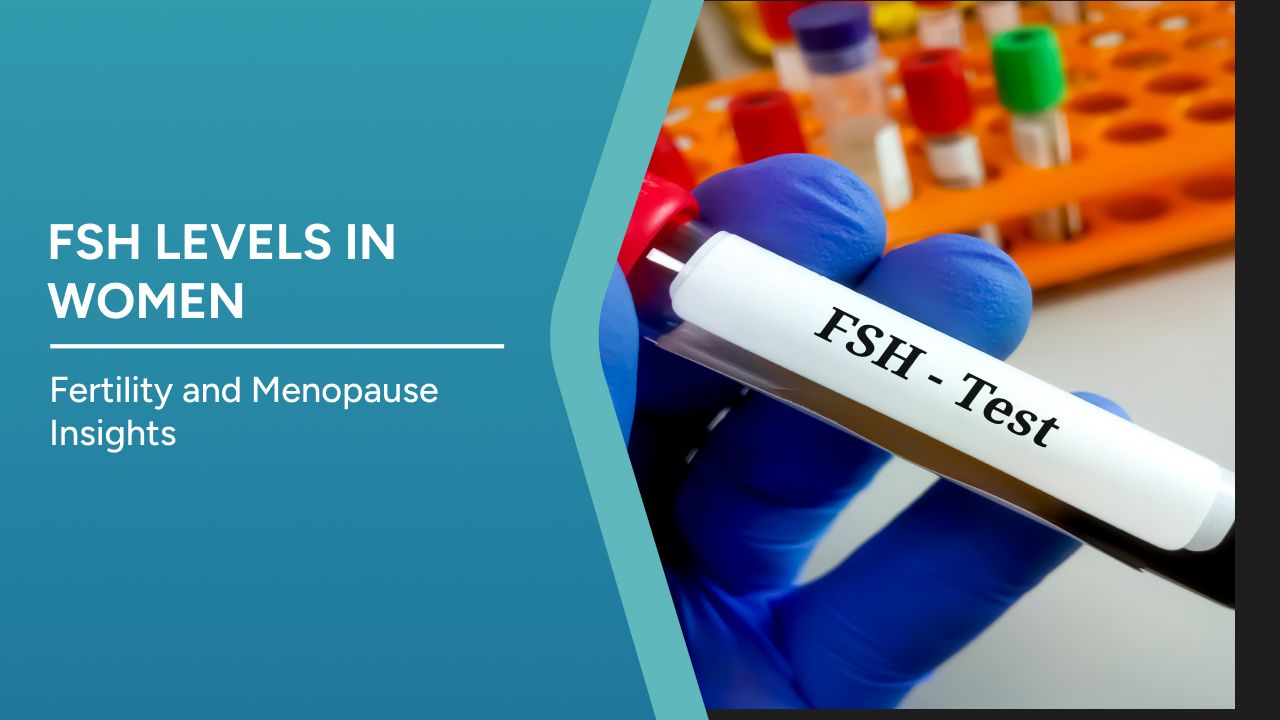
Detects β-hCG (urine sensitivity 20-25 mIU/mL; serum 5 mIU/mL).
Types:
- Urine (home): First morning void, day 1 missed period (99% accurate)
- Quantitative serum: Earlier detection (day 21-25 cycle)
Optimal timing: Day 1 missed period (urine), 7-10 days post-ovulation (serum).
When to Consult a Doctor or Seek Medical Help
Urgent obstetric evaluation for:
- Severe pain/bleeding (ectopic risk 1-2%)
- Dizziness/fainting (ectopic/anemia)
- Hyperemesis (>5% weight loss)
- Prior miscarriage/preterm history
First prenatal visit by week 8 recommended.
Lifestyle Tips After Suspecting Pregnancy
- Prenatal vitamins (folic acid 400-800 mcg prevents 70% NTDs)
- Abstinence from tobacco/alcohol/teratogens
- Caffeine <200 mg/day
- Balanced nutrition (↑300 kcal/day trimester 2-3)
- Moderate exercise (150 min/week)
- Hydration
Frequently Asked Questions
1. How Early Do Pregnancy Symptoms Start?
Pregnancy symptoms can begin as soon as a week after conception. These very early signs of pregnancy — 1 week might include slight cramping, light spotting, or breast tenderness.
2. How Can I Make Sure I am Not Pregnant?
The most reliable way to confirm whether or not you're pregnant is by taking a pregnancy test. These tests measure human chorionic gonadotropin (HCG) levels, a hormone produced during pregnancy.
3. Can You Feel Pregnant Before You Miss Your Period?
Some women may experience symptoms such as nausea or heightened sensitivity to smells even before they miss their period. However, these could also be linked to premenstrual syndrome (PMS).
4. How Soon Can I Take a Pregnancy Test?
You can take a home pregnancy test as soon as the first day of your missed period. For more accurate results, it's recommended to wait one week after your missed period.
5. When Should I Call My Doctor about a New Pregnancy?
It's advisable to schedule an appointment with your family physician as soon as you suspect that you're pregnant or have confirmed it with a home test.
6. What About Pregnancy Glow and Acne During Early Pregnancy?
'Pregnancy glow' is often attributed to increased blood flow and oil production in the skin, which gives a radiant look. However, this increased oil production may also trigger acne in some expecting mothers.
Conclusion
Early pregnancy symptoms guide suspicion but require hCG confirmation for diagnosis. Timely prenatal care optimizes maternal/fetal outcomes (reduces preterm birth 20-30%). Consult OB/GYN promptly for positive test or concerning symptoms.
Disclaimer
This content provides general education only and substitutes no professional obstetric care. Consult your OB/GYN for personalized evaluation, especially with bleeding/pain. Seek emergency care for severe symptoms (ectopic risk).
References
1. American College of Obstetricians and Gynecologists. (2023). *Early pregnancy loss*. https://www.acog.org/clinical/clinical-guidance/practice-bulletin/articles/2018/11/early-pregnancy-loss2. Society for Maternal-Fetal Medicine. (2022). *Diagnosis and management of first-trimester pregnancy loss*. *American Journal of Obstetrics & Gynecology*, 226(1), B2-B14. https://www.ajog.org/article/S0002-9378(21)01234-5/fulltext
3. National Institute for Health and Care Excellence. (2021). *Ectopic pregnancy and miscarriage: Diagnosis and initial management*.
https://www.nice.org.uk/guidance/ng126
4. Cole, L. A. (2012). *Biological functions of hCG and hCG-related molecules*. *Reproductive Biology and Endocrinology*, 10, 24.
https://rbej.biomedcentral.com/articles/10.1186/1477-7827-10-24
5. World Health Organization. (2024). *Antenatal care recommendations*.
https://www.who.int/publications/i/item/9789240030920