Pink Eye (Conjunctivitis) Symptoms: Everything You Need to Know
By Medical Expert Team
Aug 05 , 2026 | 5 min read

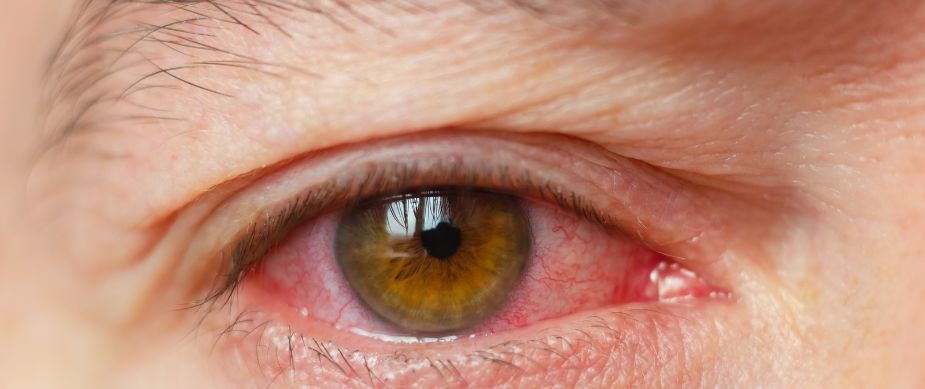
Pink eye, medically termed conjunctivitis, is an inflammatory response or swelling of the conjunctiva – the transparent membrane covering the inner surface of the eyelid and the eye's sclera (white part). When the small blood vessels in the conjunctiva become inflamed, they become more visible, which is what causes conjunctivitis to present with its characteristic reddish or pink appearance.
There are five major types of conjunctivitis, each with varying symptoms requiring different treatment approaches. Whether triggered by bacterial and viral infections, allergies, or chemical irritants, understanding the root cause is essential for recovery. Let’s learn about pink eye symptoms in detail.
Common Symptoms of Conjunctivitis
Whatever the cause, most people with conjunctivitis notice some of these:
- Redness in the white of the eye or inner eyelid.
- Watering (extra tears).
- Discharge - watery or thick, depending on the cause.
- Itching or grittiness, like having sand in the eye.
- Swollen eyelids and a feeling of irritation.
Learn More about Common Eye Diseases
How to Know if You Have Bacterial Conjunctivitis
Distinguishing bacterial infections from other types is critical because they often require antibiotic intervention to prevent complications. Bacterial conjunctivitis is typically caused by bacteria such as Staphylococcus aureus or Streptococcus pneumoniae.
To determine how to know if you have bacterial conjunctivitis, look for these specific symptoms:
- Yellow or green sticky discharge: Expect thick, colored gunk flowing from your eye, notably during sleep hours.
- Crusting: This discharge often leaves crusts on lashes that may effectively glue the eyes shut overnight.
- Swollen eyelids: Severe inflammation often leads to significant edema (swelling) of the periorbital tissue.
- Unilateral start: Generally, bacterial cases start in one eye; however, it is highly contagious and frequently spreads to the other eye through direct contact.
Viral Conjunctivitis Symptoms
Viral conjunctivitis is most commonly caused by the adenovirus and has symptoms that mimic a common cold:
- Watery discharge: Instead of thick pus, a clear, thin fluid seeps continuously from the eye.
- Follicular reaction: Small bumps may form on the inner lining of the eyelids.
- The "Cold" Connection: This type is often accompanied by fever, flu, or other respiratory infections like a sore throat.
- Typically affects both eyes: While it may start in one, the viral load usually spreads to the second eye within 24 to 48 hours.
Allergic Conjunctivitis Symptoms
As suggested by its name, allergic conjunctivitis is caused by the immune system’s reaction to allergens like dust mites, pet dander, or pollen. It triggers the release of histamines, leading to:
- Violent itching: Intense itching (pruritus) urging frequent rubbing.
- Chemosis: The conjunctiva may look like a clear blister due to fluid accumulation.
- Bilateral presence: Unlike infections, allergies almost always affect both eyes simultaneously.
- Seasonal patterns: Symptoms often flare up during high pollen counts and are frequently associated with sneezing and nasal congestion.
Read More: Cataracts Symptoms- Signs, Diagnosis and Treatment
Chronic and Chemical Conjunctivitis Symptoms
Chemical conjunctivitis emerges after contact with harsh substances, such as chlorine, household cleaners, or air pollution.
- Persistent redness: Longer duration of symptoms, lasting weeks or months.
- Underlying conditions: This can be exacerbated by systemic health problems, such as autoimmune diseases, dry eyes, or blepharitis.
Risk Factors for Conjunctivitis
To prevent infection, you must understand what increases your vulnerability:
- Contact Lens Wear: Extended-wear lenses or poor disinfection habits significantly increase the risk of bacterial infections (keratitis).
- Exposure: Being in close proximity to someone infected with the viral or bacterial form.
- Allergen Sensitivity: A history of hay fever or asthma.
Treatment of Conjunctivitis
The following are the treatment options according to their types
Viral
Most viral conjunctivitis clears on its own within 1–2 weeks and does not respond to antibiotics. Treatment is supportive: cool compresses, preservative-free artificial tears, and good hygiene to prevent spread. Antiviral medicines are reserved for specific viruses such as herpes.
Bacterial
Mild bacterial conjunctivitis is often self-limiting. Antibiotic eye drops or ointment can shorten the illness and reduce the spread, and your doctor will decide whether they are needed. Contact-lens wearers usually do need antibiotic treatment and a prompt review.
Allergic
Avoid the trigger where possible, use cool compresses, and use antihistamine or mast-cell-stabiliser eye drops. For severe cases, an eye doctor may prescribe a short course of stronger drops.
Chemical
Rinse the eye thoroughly with clean water or saline. For anything more than mild irritation - and for any acid or alkali splash - seek medical care urgently.
Home Remedies for Conjunctivitis (Conjuntivitis Remedios Caseros)
While some cases require prescription drops, you can manage discomfort with these conjuntivitis remedios caseros:
- Warm Compresses: Best for bacterial pink eye to loosen dried discharge and soothe inflammation.
- Cold Compresses: Highly effective for allergic conjunctivitis to reduce swelling and itching.
- Artificial Tears: Preservative-free lubricating drops can flush out irritants and soothe grittiness.
- Hygiene First: Stop wearing contact lenses and discard any eye makeup used since the infection began.
When Should Medical Attention Be Sought?
It is critical to note that delaying professional treatment for severe symptoms can lead to permanent corneal scarring. Seek help from an eye specialist at Nanavati Max Hospital if you experience:
- Severe eye pain or a feeling that something is stuck in the eye.
- Light sensitivity (Photophobia) or sudden blurry vision.
- Intense redness in only one eye that does not improve within 24 hours.
- A pre-existing eye condition or a weakened immune system.
Disclaimer: This content is for informational purposes only and does not constitute professional medical advice, diagnosis, or treatment. Always seek the advice of your physician or other qualified health providers regarding a medical condition.
Frequently Asked Questions
1. What causes conjunctivitis?
What causes conjunctivitis ranges from infectious agents like bacteria and viruses to non-infectious triggers like pollen, animal dander, smoke, or pool chlorine.
2. Can a general physician treat conjunctivitis?
Yes, a General Physician can help diagnose common cases. However, for vision changes or chronic symptoms, they may refer you to an ophthalmologist to rule out corneal involvement.
3. How long does conjunctivitis last?
Viral cases usually last 7-14 days. Bacterial infections may resolve in 2-5 days with antibiotics, while allergic symptoms persist as long as you are exposed to the allergens.
4. Is pink eye contagious?
Absolutely. Both viral and bacterial forms are highly contagious until discharge is gone or you have been on antibiotics for a full 24 hours.
5. Can I wear contact lenses with conjunctivitis?
No. You must switch to glasses immediately. Reusing infected lenses can cause reinfection or lead to a serious corneal ulcer.
References
1. Azari, A. A., & Barney, N. P. (2013). Conjunctivitis: A systematic review of diagnosis and treatment. JAMA, 310(16), 1721–1729.https://doi.org/10.1001/jama.2013.280318
2. American Academy of Ophthalmology. (2023). Bacterial Conjunctivitis: Symptoms and Causes.
https://www.aao.org/eye-health/diseases/bacterial-conjunctivitis
3. Centers for Disease Control and Prevention. (2024). Conjunctivitis (Pink Eye): Prevention.
https://www.cdc.gov/conjunctivitis/about/prevention.html

Related Blogs

Dr. Nikhil S. Sardar In Eye Care / Ophthalmology
Aug 05 , 2026 | 4 min read

Dr. Nikhil S. Sardar In Eye Care / Ophthalmology
Aug 05 , 2026 | 7 min read

Dr. Nikhil S. Sardar In Eye Care / Ophthalmology
Aug 05 , 2026 | 8 min read
Most read Blogs



Related Blogs
Dr. Nikhil S. Sardar In Eye Care / Ophthalmology
Aug 05 , 2026 | 4 min read
Dr. Nikhil S. Sardar In Eye Care / Ophthalmology
Aug 05 , 2026 | 7 min read
Dr. Nikhil S. Sardar In Eye Care / Ophthalmology
Aug 05 , 2026 | 8 min read
Most read Blogs