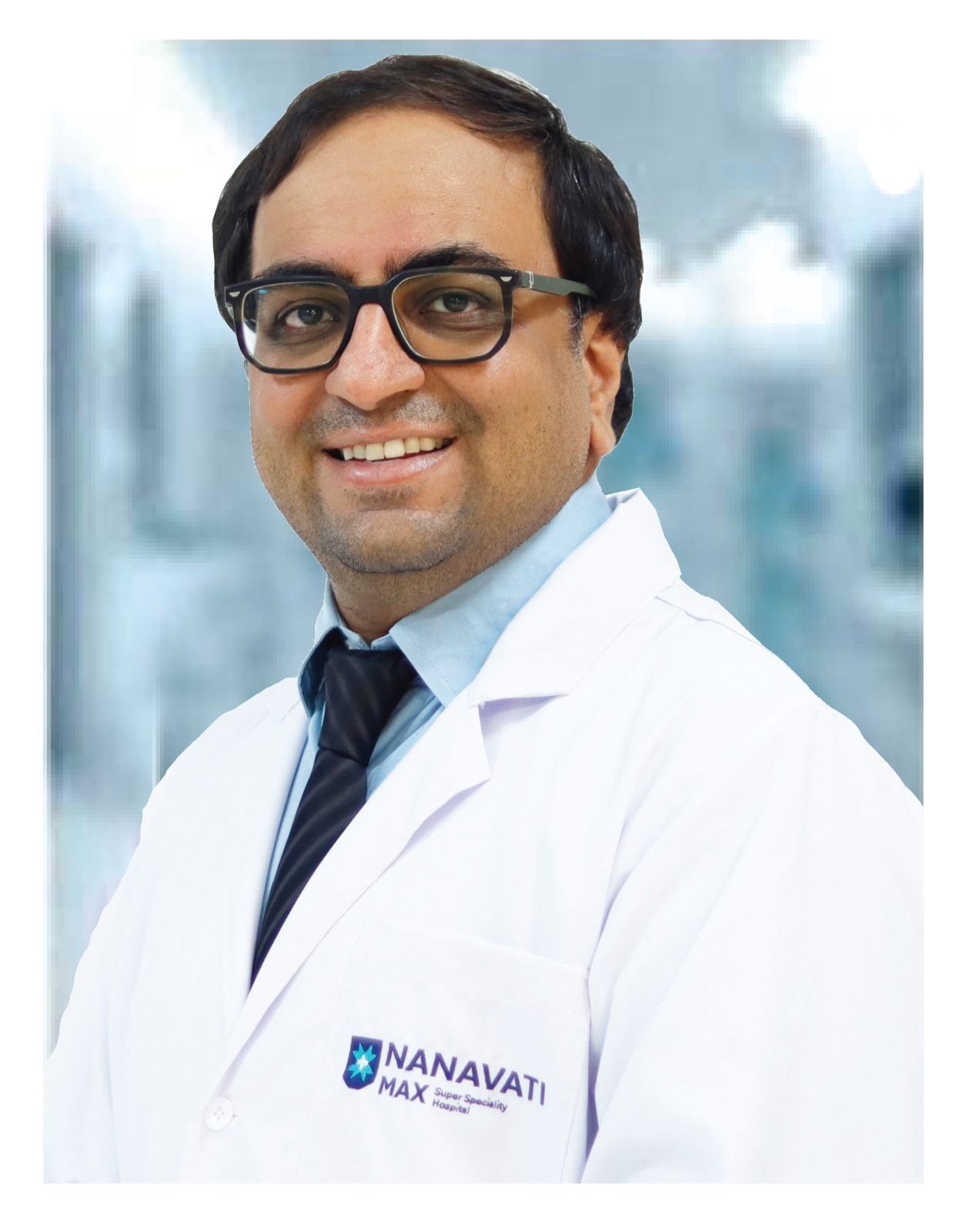
Our Medical Experts
Nanavati Max Hospital is home to eminent doctors in the world, most of whom are pioneers in their respective fields. Additionally, they are renowned for developing innovative and revolutionary clinical procedures.
Find a DoctorEmergency:

Helpline:
Gastroesophageal reflux disease (GERD) is an issue in which stomach acid goes back into the oesophagus. This backward flow, known as acid reflux, can irritate the oesophagus lining.
While occasional acid reflux is common, persistent reflux over time can lead to GERD.
In most cases, GERD can be managed through lifestyle changes and medication. Although rare, some individuals may require surgery to alleviate symptoms.
GERD is also known as acid reflux disease or chronic heartburn. Chronic heartburn is another term that emphasizes the recurring nature of the symptoms, particularly the sensation of heartburn or burning in the chest. While these terms are often used interchangeably with GERD, they all refer to the same underlying condition, which involves the frequent occurrence of acid reflux and its potential to lead to more serious complications if left untreated.
There is no clinical stage classification of GERD. The gastroenterologists decide the treatment protocols depending on the levels of severity and nature of symptoms. If the patient ignores the symptoms and avoids treatment for a long duration, the condition may affect the oesophagus lining (Barrett’s oesophagus), increasing the risk of further complications.
Acid reflux occurs occasionally, typically once or twice a month. At this stage, symptoms are usually manageable with dietary and lifestyle adjustments, along with over-the-counter medication if necessary.
Symptoms become frequent enough to need daily prescription medication. GERD may start interfering with daily activities.
Symptoms are intense and may not improve even with prescription medication. Quality of life is significantly affected, and surgery may be recommended for treatment.
Symptoms that may suggest the presence of GERD include:
GERD occurs when there is frequent acid reflux or the reflux of nonacidic stomach contents.
When you swallow, the lower oesophagal sphincter relaxes to let food and liquid enter the stomach. It then tightens to prevent backflow.
If the sphincter doesn't relax properly or becomes weak, stomach acid can flow back into the oesophagus. This constant acid reflux irritates the oesophagus lining, often leading to inflammation.
A healthcare provider may diagnose GERD based on symptoms and a physical exam, but to confirm the diagnosis or check for complications, they may recommend:
A healthcare provider may first suggest lifestyle changes and over-the-counter medications to manage GERD. If these don’t provide relief within a few weeks, prescription medications and additional testing might be recommended.
While these medicines are known to offer relief from the symptoms, consult with your gastroenterologist before starting any medication.
When medications are ineffective, surgery may be an option:
For some individuals, weight-loss surgery may be recommended if obesity is contributing to GERD.
Adopting healthy lifestyle changes can significantly reduce the risk of developing GERD or manage its symptoms.
Conditions that may raise the risk of GERD include:
Factors that can worsen acid reflux include:
Chronic inflammation in the oesophagus over time can lead to:
Nanavati Max Hospital is a top choice for GERD treatment, offering expert care in gastroenterology with minimally invasive procedures. With a team of experienced specialists, Nanavati Max provides personalised care plans tailored to each patient’s needs. Patient education and lifestyle counselling are integral parts of the treatment process, helping individuals manage GERD through dietary changes, weight management, and other lifestyle adjustments. Combining cutting-edge technology with compassionate care, Nanavati Max Hospital delivers the highest standard of GERD treatment.
The outlook for GERD is generally positive with proper treatment, including lifestyle changes, medications, and, in some cases, surgery. Most people can prevent complications like esophagitis or Barrett’s oesophagus. Early intervention is key to avoiding long-term issues, and regular follow-ups help ensure the condition remains under control. With ongoing care, many individuals with GERD can lead normal, healthy lives.
GERD is typically treated by gastroenterologists, and in severe cases, surgeons may be involved.
Surgery is generally considered only for severe or persistent GERD cases that do not respond to medication and lifestyle changes.
While acid reflux occurs occasionally, GERD is characterised by frequent or persistent acid reflux that causes symptoms and potential damage to the oesophagus.
Over-the-counter medications like antacids and H2 blockers can provide relief for mild GERD symptoms, but prescription medications may be needed for more severe or persistent cases. Consult your gastroenterologist before starting any medication.
Certain foods and drinks, like spicy foods, citrus, chocolate, and alcohol, can trigger or worsen GERD symptoms. Avoiding these can help manage the condition.
Nanavati Max Hospital is home to eminent doctors in the world, most of whom are pioneers in their respective fields. Additionally, they are renowned for developing innovative and revolutionary clinical procedures.
Find a Doctor