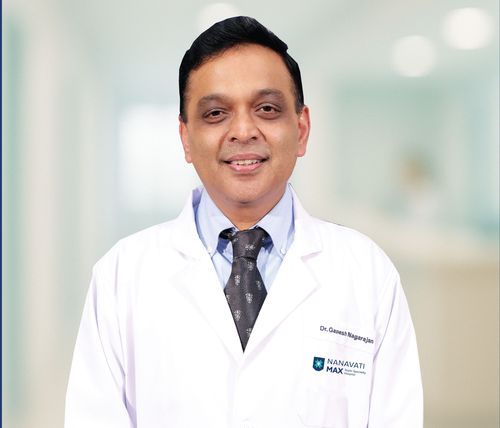
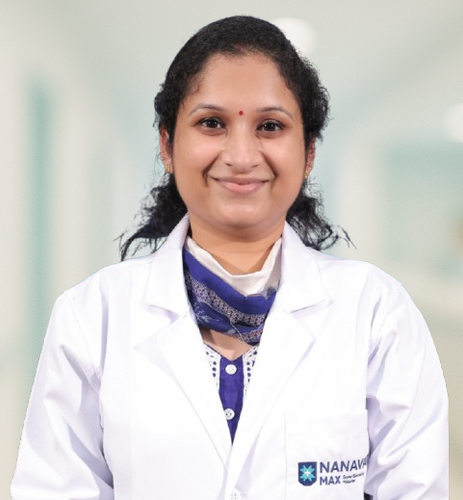
Our Medical Experts
Nanavati Max Hospital is home to eminent doctors in the world, most of whom are pioneers in their respective fields. Additionally, they are renowned for developing innovative and revolutionary clinical procedures.
Find a DoctorEmergency:
Helpline:

HPB cancers, including cancers of the liver, bile duct and pancreas, are among the most technically demanding cancers to treat surgically. They can require complex procedures and coordinated care from specialists across different disciplines.
Nanavati Max's HPB oncology programme functions as a tertiary, high-volume referral centre for liver and pancreatic cancers, receiving patients from across India and abroad. The programme provides surgical treatment alongside interventional radiology and coordination with medical and radiation oncology teams for patients who require combined treatment approaches.
HPB surgery involves technically complex procedures involving the liver, pancreas and bile ducts. The programme has extensive experience in major liver and pancreatic cancer surgeries, including complex resections and procedures for advanced disease. Its surgical team also performs a high volume of pancreatic cancer procedures, including minimally invasive approaches for selected patients.
Interventional radiology forms an integral part of the HPB oncology programme. Liver-directed treatments such as TACE (transarterial chemoembolisation) and TARE (transarterial radioembolisation) are available alongside tumour ablation and other image-guided procedures. These approaches can be considered as part of an overall treatment plan depending on the tumour and whether surgery is appropriate.
Not every HPB cancer requires open surgery. Smaller liver lesions that are suitable for a minimally invasive approach may be treated through laparoscopic or robotic resection. The programme also routinely performs laparoscopic and robotic distal pancreatectomy for suitable pancreatic cancers. The choice of approach depends on the location, size and extent of the tumour and the patient's overall condition.
HPB cancer treatment may involve surgery, interventional procedures, chemotherapy and radiation therapy. The HPB team works closely with medical oncologists, radiation oncologists, interventional radiology and gastroenterology teams so that different aspects of treatment can be considered together.
The HPB oncology programme treats cancers affecting the liver, pancreas, bile ducts and gallbladder, along with other HPB malignancies.
Treatment depends on the type, location and stage of cancer, whether the disease has spread, and whether complete surgical removal is possible.
Major liver resections are performed for selected primary and secondary liver cancers. Where the tumour involves important blood vessels, surgery may require vascular reconstruction as part of the cancer resection. The extent of surgery is determined by the tumour's location and involvement of surrounding structures.
For selected advanced bile duct and gallbladder cancers, major or extended liver resections may also be required.
Minimally invasive surgery may be considered when the tumour and the patient's condition make this approach appropriate. Smaller liver lesions can be treated through laparoscopic or robotic resection in suitable cases.
For pancreatic cancer, the programme performs laparoscopic and robotic distal pancreatectomy for selected patients.
Some liver tumours may be treated using procedures that deliver treatment directly to the tumour's blood supply.
TACE combines chemotherapy with embolisation, which blocks the blood vessels supplying the tumour. TARE uses radioactive microspheres delivered through the tumour's blood supply to provide targeted radiation.
These liver-directed therapies may be considered when surgery is not immediately appropriate or as part of a broader treatment strategy. Their suitability depends on the type, location and extent of the tumour and the patient's overall health.
Liver metastases from colorectal cancer and neuroendocrine cancers are routinely managed by the HPB surgical team. Depending on the number, location, and extent of metastatic lesions, treatment may involve liver resection, ablation, systemic therapy or a combination of approaches.
The cancer treatment in Mumbai is determined after assessing the primary cancer, liver involvement, and whether the disease can be treated safely and effectively with local or systemic therapies.
The cost of HPB cancer treatment in Mumbai depends on the type and complexity of treatment rather than a single fixed amount.
Factors that may influence the overall cost include:
A personalised estimate can be discussed after the patient's diagnosis and proposed treatment plan have been reviewed.
Most patients attending an HPB oncology consultation have already undergone some evaluation or imaging. Bring all available CT scans or MRI scans and reports, biopsy or pathology reports, blood investigation reports, and details of any treatment already received.
If you have undergone surgery or another procedure elsewhere, bring the operative notes and discharge summary where available. These records can help the oncologist understand your previous treatment and avoid unnecessary repetition of investigations.
If you have already received a treatment recommendation elsewhere and want another opinion before proceeding, you can request a second opinion from the programme's specialists. The hospital also provides second-opinion and outstation consultation services for patients diagnosed elsewhere. You can book your appointment today.
A dedicated HPB oncology programme brings together specialists experienced in cancers of the liver, pancreas, bile ducts and gallbladder. The team can coordinate surgical oncology, interventional radiology, medical oncology, radiation oncology and gastroenterology when different forms of treatment are required.
This can be particularly useful for complex HPB cancers where treatment may involve more than one procedure or treatment modality.
Yes. Not every patient with HPB cancer is suitable for immediate surgery. Depending on the diagnosis and extent of disease, treatment may include liver-directed therapies such as TACE and TARE, ablation, chemotherapy, radiation therapy or a combination of approaches. The appropriate treatment is determined after assessing the individual case.
Yes. The programme provides a second-opinion service where specialists can review existing medical records, imaging and treatment recommendations before you decide on the next step. The hospital's Cancer Centre also offers second opinions for patients diagnosed elsewhere.
Bring any available CT or MRI scans and reports, biopsy or pathology reports, blood investigation reports, and details of previous treatment. Operative notes and discharge summaries should also be carried if you have already undergone surgery or another procedure.
Having your previous records available allows the specialist to review your case more comprehensively.
Yes. The HPB cancer surgery programme describes itself as a tertiary, high-volume referral centre receiving patients with liver and pancreatic cancers from across India and abroad.
The hospital also provides outstation consultation and second-opinion services for patients who have been diagnosed or treated elsewhere.
Nanavati Max Hospital is home to eminent doctors in the world, most of whom are pioneers in their respective fields. Additionally, they are renowned for developing innovative and revolutionary clinical procedures.
Nanavati Max Hospital is home to eminent doctors in the world, most of whom are pioneers in their respective fields. Additionally, they are renowned for developing innovative and revolutionary clinical procedures.
Find a DoctorAamir Khan's Visit at Nanavati Max Hospital | The First Successful Hand Transplant Surgery
Treated by Dr. Nilesh G Satbhai, Nanavati Max Super Speciality Hospital, Mumbai
May 15, 2026
Alina's Endometriosis Recovery Story | Patient Success Story
Treated by Dr. Uddhavraj Dudhedia, Nanavati Max Super Speciality Hospital, Mumbai
Jun 30, 2026
Baby Varidhi's Microvascular Reconstruction for Congenital Hand Deformity | Patient Success Story
Treated by Dr. Nilesh G Satbhai, Nanavati Max Super Speciality Hospital, Mumbai
May 8, 2026
From Dubai to Mumbai: A Multiple Myeloma Survivor's Inspiring Journey | Patient Success Story
Treated by Dr. Sameer Tulpule, Nanavati Max Super Speciality Hospital, Mumbai
Jun 30, 2026
Successfully Treated for Stage 4 Lung Cancer | Ms. Tatyana Usirbaeva | Patient Success Story
Treated by Dr Vaibhav Choudhary, Nanavati Max Super Speciality Hospital, Mumbai
Jul 3, 2026
A Mother’s Gift: Successful Kidney Transplant of Ms. Mary Pettit
Treated by Dr. Jatin Kothari, Nanavati Max Super Speciality Hospital, Mumbai
Mar 15, 2026
Siddharth Kak Walks Pain-Free After Successful Bilateral Knee Replacement | Patient Success Story
Treated by Dr. Niraj Vora, Nanavati Max Super Speciality Hospital, Mumbai
Apr 30, 2026
Multiple Heart Blockages Treated with Bypass Surgery | Mr. Beas Chikori | Patient Success Story
Treated by Dr. Praveen Kulkarni, Nanavati Max Super Speciality Hospital, Mumbai
Aug 20, 2026
Mrs Ridula Dev Narayan Successfully Recovered from Cervical C3 Prolapse
Treated by Dr. Amandeep Gujral, Nanavati Max Super Speciality Hospital, Mumbai
Feb 28, 2026
Mr. Abdul Jeetu’s Pancreatic Cancer Recovery
Treated by Dr. Ganesh Nagarajan, Nanavati Max Super Speciality Hospital, Mumbai
Mar 31, 2026
Aamir Khan's Visit at Nanavati Max Hospital | The First Successful Hand Transplant Surgery
Treated by Dr. Nilesh G Satbhai , Nanavati Max Super Speciality Hospital, Mumbai
Mar 31, 2026
View all