How Stress Impacts PCOD Symptoms and Ways to Cope
By Dr. Gayatri Deshpande in Gynaecology & Obstetrics
Aug 05 , 2026 | 10 min read

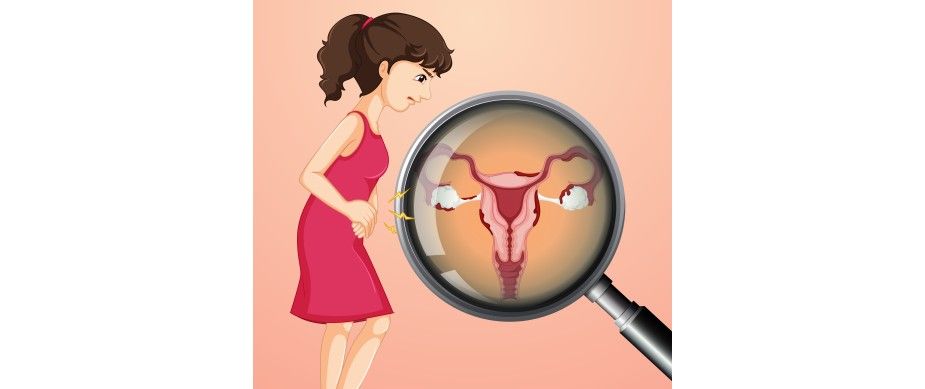
PCOD, or Polycystic Ovarian Disorder, is a hormonal condition that affects how the ovaries function. In simple terms, the ovaries start producing more male hormones (androgens) than they should, which throws you off your periods, your weight, your skin, and even your mood.
Small fluid-filled sacs called cysts may form in the ovaries, but it’s the hormonal imbalance behind the condition that causes most of the trouble. While the condition itself isn’t life-threatening, the daily impact it has on your body, mind, and lifestyle can be overwhelming, especially if it isn't managed properly.
Common Symptoms of PCOD
PCOD shows up differently in every woman, but there are a few fairly common signs. Irregular periods are usually one of the first to appear, where sometimes cycles are delayed, and sometimes they don’t come at all.
Weight gain, especially around the belly, is another common concern. You may also experience persistent acne, facial hair growth, or hair thinning on the scalp. Some women struggle with infertility, while others have intense food cravings and energy crashes they can’t explain.
Prevalence and Causes of PCOD
While the exact cause of PCOD isn’t always clear, it usually involves a mix of genetic tendencies and lifestyle factors. If your mother or sister had PCOD, you might be more likely to develop it too.
A sedentary lifestyle, irregular sleep patterns, high-sugar diets, and unmanaged stress can all add fuel to the fire. Hormonal imbalance is at the heart of it. When the body produces too much insulin or androgen, it disrupts the process of ovulation.
Read More about the PCOD vs PCOS: How are They Different
Understanding the Relationship Between Stress and PCOD Symptoms
How Stress Affects Hormonal Imbalance
Stress changes the way your body produces hormones. When you're constantly stressed, your body releases more cortisol, the hormone that helps you handle pressure. But too much cortisol throws your reproductive hormones off balance. For someone with PCOD, where hormone levels are already unstable, this only makes things worse.
Stress lowers the production of reproductive hormones like FSH and LH, both needed for ovulation, and boosts the hormones that make PCOD symptoms more intense.
Connection Between Stress and Menstrual Irregularities
Your brain and ovaries need to talk to one another for your monthly cycle to work. Stress can hinder effective communication. If you’ve ever skipped a period after an exam, work crisis, or personal loss, you’ve seen this firsthand.
With PCOD, this disruption is more severe and happens more often. High stress can delay ovulation or stop it completely, which means missed periods, heavier flows, or unpredictable cycles.
Impact of Stress on Ovulation and Fertility in PCOD
PCOD makes it harder for women who want to get pregnant, and stress makes ovulation even less predictable. Even if everything else seems fine, ovulation may not happen when cortisol levels are high. This doesn't imply that you can't get pregnant if you have PCOD, but it does mean that your body may require extra help, both emotionally and medically.
Learn More about Female Infertility: Causes, Treatments & How to Improve
Stress and Insulin Resistance in PCOD Patients
Many women with PCOD also deal with insulin resistance, which means the body doesn’t process sugar effectively. Stress raises blood sugar levels, making insulin resistance worse. This contributes to weight gain, fatigue, and even more hormonal imbalance.
You could be eating healthy, exercising, and still feel like your body is working against you. Until that’s addressed, weight loss, hormonal stability, and energy levels may remain stuck.
Common PCOD Symptoms Exacerbated by Stress
Irregular Periods and Stress
Periods are one of the first things to get affected by stress, especially if you already have PCOD. You may notice your cycle shifting dramatically after a stressful event, such as a new job, a breakup, exams, or even just a few weeks of poor sleep. For many women with PCOD, stress doesn’t just cause late periods; it makes them longer, heavier, or more painful.
Weight Gain and Stress
Weight gain with PCOD isn’t always about what you eat; it’s also about what your body is going through internally. Stress increases your cravings, especially for sugar and refined carbs. Cortisol makes you store more fat, particularly around your abdomen. This makes insulin resistance worse and restarts the whole cycle of hormonal imbalance.
Even if you’re eating home-cooked meals, managing portion sizes, and walking daily, stress can still make weight loss feel impossible unless it’s part of your wellness focus.
Acne and Stress
Acne linked to PCOD is mostly hormonal, but stress makes it more aggressive. Stress triggers oil glands to become more active, leading to clogged pores and inflamed skin.
For women already dealing with hormonal acne, this combination can be hard to manage unless both hormones and stress levels are addressed together.
Excessive Hair Growth (Hirsutism) and Stress
Many women with PCOD have high levels of androgens, which can cause hair to develop on their faces or bodies. Stress can have an effect on this by causing hormones to change more frequently, even if it's not directly affecting the condition. Some women might notice that their facial hair gets darker or grows faster when they are under a lot of stress.
While there’s no quick fix for hirsutism, reducing stress can help stabilise hormone levels and prevent symptoms from worsening over time.
Hair Thinning and Stress
Hair thinning is often one of the hardest PCOD symptoms to deal with emotionally. You might see clumps in the shower or notice your ponytail getting thinner. Stress causes hair to enter the shedding phase early, and PCOD only amplifies this problem.
Psychological Effects of PCOD Symptoms
Stress and Mental Health Challenges in PCOD
Dealing with PCOD slowly seeps into your thoughts, moods, and emotions. The constant worry about your skin, weight, or periods can create a baseline of stress that just doesn’t go away. And if you're dealing with fertility struggles, the emotional weight only gets heavier.
A lot of the time, women with PCOD don't realise they're mentally tired. It's not just stress from job or relationships; it's the kind of tension that builds up from taking care of your body every day. Over time, this mental load accumulates, making everything else more challenging to manage.
Anxiety and Depression Triggered by PCOD Symptoms
Anxiety and depression aren’t unusual for women living with PCOD. When your body isn’t responding the way you want it to, and your symptoms feel out of your control, it affects your confidence and emotional stability. You may start avoiding social plans, comparing yourself to others, or feeling like no one understands what you're going through.
Coping with Body Image Issues
PCOD alters the way you think about your body. Each of these symptoms affects your self-esteem differently: the acne that won't go away, the unwanted facial hair, or the persistent weight gain. You might want to stay away from mirrors, not wear your favourite clothes, or feel bad even when people are trying to help.
Body image struggles are more than just appearance; they’re about how you feel in your own skin. And when that confidence takes a hit, stress gets worse.
Effective Ways to Cope with Stress and Manage PCOD Symptoms
Lifestyle Modifications for Stress Management
Small changes in daily habits can make a significant difference in how you handle stress. Setting a consistent routine for meals, sleep, and exercise helps regulate your body's internal clock and hormone production. Avoid overcommitting yourself, and learn to say “no” when you need to prioritise your health. Keeping a journal or tracking mood swings can help you understand patterns and reduce feelings of overwhelm.
Diet and Nutrition Tips for Reducing Stress
A balanced diet supports both your hormones and your mood. Focus on whole foods like leafy greens, fresh fruits, lean proteins, and healthy fats. Avoid excessive caffeine, processed snacks, and refined sugars, as they can spike blood sugar and worsen stress responses. Adding foods rich in omega-3 fatty acids, magnesium, and fibre can help regulate insulin and support mood stability.
Know More about PCOD Diet Chart: Foods to Eat & Avoid for Better Health
The Role of Exercise in Managing Stress and PCOD
Exercise isn't just about burning calories; it helps balance your hormones and reduce cortisol levels. Activities such as brisk walking, cycling, or swimming can help boost endorphins and reduce anxiety. Strength training can improve insulin sensitivity and muscle tone, while gentle practices like yoga or stretching reduce tension and improve flexibility. Aim for at least 30 minutes of activity most days.
Mindfulness and Relaxation Techniques
Mindfulness practices like meditation, deep breathing exercises, and guided visualisation can help calm the nervous system. When practised regularly, they improve focus, reduce cortisol levels, and promote emotional resilience. Even five minutes a day of conscious breathing can make a noticeable difference in how you respond to stress triggers.
Sleep Hygiene and Its Impact on Stress and PCOD
Poor sleep worsens both PCOD symptoms and stress levels. Lack of sleep increases cortisol and reduces reproductive hormones, which can further disrupt your cycle. Establish a calming bedtime routine by avoiding screens before sleeping, keeping your room dark and cool, and sticking to a consistent sleep schedule. Aim for 7–8 hours of restful sleep each night.
Medical Treatments to Manage Stress and PCOD Symptoms
In some cases, lifestyle changes may not be enough, and medical intervention can be necessary. Doctors may prescribe hormonal treatments or medications to manage insulin resistance, acne, or irregular cycles. Mental health support through counselling, therapy, or medication can also be essential in coping with anxiety or depression related to PCOD.
Seeking Professional Help for Stress and PCOD
When to See a Doctor for PCOD and Stress Management
If you notice that your periods are irregular for several months, your weight gain is uncontrollable, or you feel persistently anxious or depressed, it’s time to seek medical advice. A healthcare professional can run tests to check hormone levels, insulin sensitivity, and other underlying factors that contribute to PCOD. Early intervention can prevent further complications.
Role of Therapy and Counselling in Managing Stress
Therapy isn’t just for crisis moments; it’s a tool to help you understand patterns, manage emotions, and build healthier responses to stress. Cognitive-behavioural therapy (CBT), support groups, and counselling sessions with trained professionals can teach coping strategies, improve self-esteem, and create a supportive environment for managing chronic health conditions.
Conclusion
Stress and PCOD are closely intertwined, each worsening the other’s effects. Chronic stress can disrupt hormonal balance, delay periods, and intensify symptoms such as acne, weight gain, and hair loss, while also affecting emotional well-being. Recognising this connection is the first step towards better management. With the right combination of self-care, lifestyle adjustments, and medical guidance, it’s possible to restore balance and feel in control again. Remember, progress may be gradual, but every small effort towards managing stress brings you closer to a healthier, more confident you.
Read More about Reasons for Not Getting Pregnant
Frequently Asked Questions
1. Can stress cause PCOD?
Stress alone may not cause PCOD, but it can worsen existing symptoms. Stress increases cortisol levels, which disrupt hormonal balance and can make irregular periods, weight gain, and acne more severe in women with PCOD.
2. How does stress affect menstrual cycles in PCOD?
Stress interferes with the brain’s signals that control ovulation and menstruation. It can delay or stop ovulation altogether, leading to missed, irregular, or heavier periods in women already dealing with PCOD.
3. Why do I gain weight with PCOD even if I eat healthy?
Stress raises cortisol levels, which promote fat storage, especially around the abdomen. It also increases cravings for unhealthy foods and worsens insulin resistance, making it harder to lose weight even with a balanced diet.
4. Can exercise help manage PCOD and stress at the same time?
Yes, regular exercise helps lower cortisol levels, improve insulin sensitivity, and boost mood. Both strength training and cardio can be beneficial, while practices like yoga and stretching help reduce anxiety and support hormonal health.
5. When should I see a doctor for PCOD-related stress?
If stress is affecting your daily life, sleep, or emotional well-being, or if your periods, weight, or acne are out of control, it’s time to consult a doctor. They can guide you with tests, treatments, and mental health support.
6. Can improving sleep reduce PCOD symptoms?
Absolutely. Poor sleep increases cortisol and disrupts hormones like insulin and reproductive hormones. A consistent sleep schedule helps regulate your body’s functions and reduce stress, which can improve PCOD symptoms over time.
7. What role does diet play in managing PCOD and stress?
A healthy diet helps stabilise blood sugar, control cravings, and balance hormones. Whole foods, fibre, healthy fats, and nutrients like magnesium and omega-3s support mood and reduce stress-induced weight gain and inflammation.
8. How can mindfulness techniques help with PCOD symptoms?
Mindfulness practices like meditation and deep breathing lower stress levels, improve emotional resilience, and help regulate hormonal responses. Even a few minutes daily can help reduce anxiety and promote a sense of calm.
9. Is counselling necessary for managing PCOD?
Counselling with pcod doctor can be very helpful. It provides tools to manage anxiety, depression, and body image issues related to PCOD. Therapy helps you build healthy coping strategies and gain confidence in handling long-term health challenges.
10. Can stress-induced hair loss from PCOD be reversed?
While hair loss from stress and hormonal imbalance is challenging, it can often be managed with lifestyle changes, proper nutrition, medical treatments, and stress reduction techniques. Early intervention leads to better results.

Written and Verified by:

Related Blogs

Dr. Gayatri Deshpande In Gynaecology & Obstetrics
Oct 06 , 2026 | 9 min read
Blogs by Doctor
Double Marker Test in Pregnancy
Dr. Gayatri Deshpande In Gynaecology & Obstetrics
Oct 06 , 2026 | 9 min read
Negative Pregnancy Test: What It Means and What to Do Next
Dr. Gayatri Deshpande In Gynaecology & Obstetrics
Oct 06 , 2026 | 7 min read
Most read Blogs



Related Blogs
Dr. Gayatri Deshpande In Gynaecology & Obstetrics
Oct 06 , 2026 | 9 min read
Blogs by Doctor
Double Marker Test in Pregnancy
Dr. Gayatri Deshpande In Gynaecology & Obstetrics
Oct 06 , 2026 | 9 min read
Negative Pregnancy Test: What It Means and What to Do Next
Dr. Gayatri Deshpande In Gynaecology & Obstetrics
Oct 06 , 2026 | 7 min read
Most read Blogs