Normal Delivery: Proven Tips for a Healthy and Smooth Childbirth Experience
By Medical Expert Team
Aug 05 , 2026 | 8 min read

When expecting a baby, many mothers aim for a normal delivery. This natural, physiological process, supported by experienced gynaecologists, often leads to a faster and more efficient recovery for the mother without unnecessary medical intervention for the baby. Understanding the clinical pathway of what defines a normal delivery and its long-term benefits can help you prepare for this life-changing event.
Why Opt for a Normal Delivery?
A normal delivery comes with several significant benefits for both the mother and the baby that are clinically proven to impact long-term health.
- Shorter Postpartum Recovery: One of the biggest advantages is the rapid recovery time. Mothers can usually return to their daily routine within days and enjoy those first precious moments with their baby without the limitations of surgical wound healing.
- Fewer Clinical Risks: A normal delivery poses fewer surgical complications compared to a C-section. There is a statistically lower chance of postpartum hemorrhage and infections, and a significantly reduced likelihood of respiratory issues (such as Transient Tachypnea of the Newborn) for the baby.
- The Microbiome and Immune System Development: During a natural delivery, the baby is exposed to beneficial bacteria in the birth canal. This "seeding" of the gut microbiome is crucial for developing a strong immune system and potentially reducing the risk of allergies and asthma later in life.
- Hormonal Benefits and Bonding: Many mothers find that experiencing a natural birth brings a profound sense of achievement. The hormonal surge of oxytocin (the "love hormone") during labor promotes immediate maternal bonding and facilitates easier breastfeeding initiation.
Read about - Double Marker Test in Pregnancy
Strategic Natural Delivery Tips for Preparation
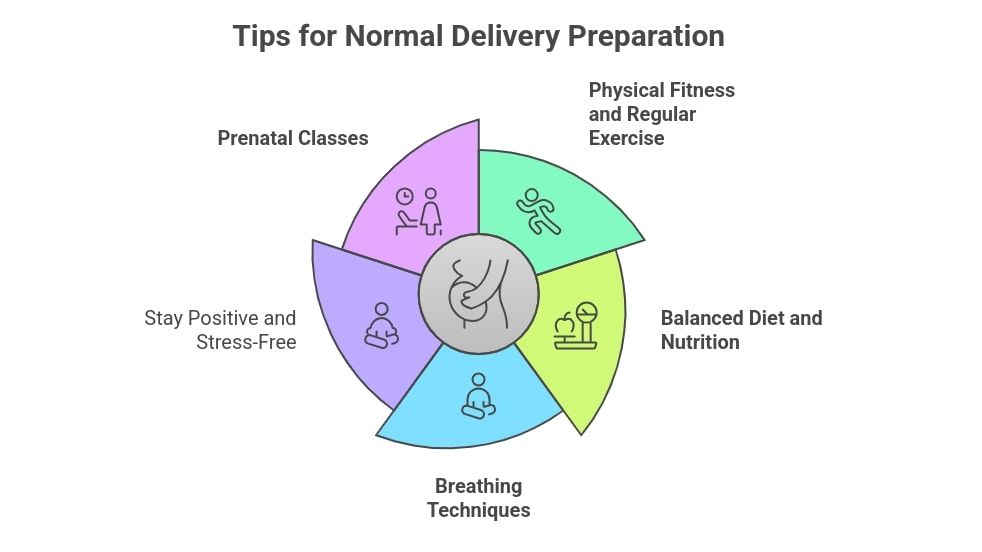
Preparation for a natural birth begins long before the first contraction. To improve your chances, focus on these evidence-based strategies:
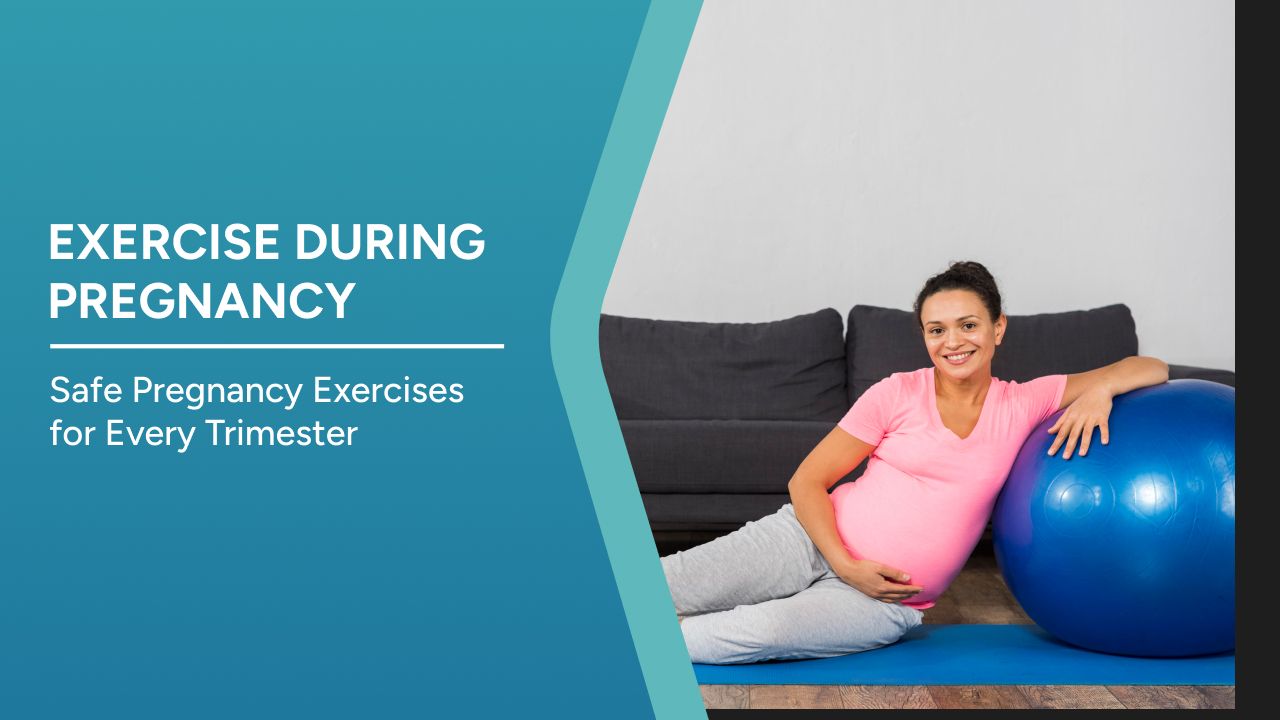
1. Physical Fitness and Pelvic Exercises
Keeping fit can increase your chances of a smooth labour and delivery. To optimize your body, focus on:
- Prenatal Yoga & Pelvic Tilts: These help in opening the pelvic outlet and relieving lower back pressure.
- Squatting: Aim for 15-20 squats daily to strengthen the thighs and pelvic floor.
- Kegel Exercises: Essential for strengthening the pelvic floor muscles to support the uterus and bladder.
- Daily Walking: A 30-minute brisk walk helps the baby's head descend into the pelvis.
2. Balanced Diet and Birth-Priming Nutrition
What you eat affects the elasticity of your tissues and your overall stamina during delivery.
- Dates (The 6-per-day Rule): Studies suggest that consuming 6 dates a day during the last 4 weeks of pregnancy can lead to improved cervical dilation at admission and lower rates of induction.
- Hydration: Maintain at least 3 liters of water daily to keep maternal energy levels and amniotic fluid levels optimal.
- Lean Proteins & Iron: Crucial for building the stamina needed for the "marathon" of labor.
Read More about Healthy Indian Pregnancy Diet Plan (Chart) for Women
3. Mastering Breathing Techniques
Learning proper breathing techniques is a clinical game-changer during labour. These exercises increase oxygen supply to the uterus, help manage pain, and keep you relaxed to prevent the "fear-tension-pain" cycle.
4. Optimal Fetal Positioning (OFP)
The baby’s position is a significant factor for a normal delivery. To encourage the baby to move into the "Occiput Anterior" (head down, facing your back) position:
- Avoid reclining on deep sofas for long periods.
- Spend 10 minutes daily on hands and knees (all-fours).
- Use a birthing ball to keep your hips higher than your knees.
5. Perineal Massage
Starting from the 34th week, performing a gentle perineal massage for 5 minutes daily can increase the elasticity of the birth canal. This reduces the risk of tearing and the need for an episiotomy (surgical cut) during a natural delivery.
Read about - High Risk Pregnancy
How to Manage Pain During a Normal Delivery?
Pain management is not just about endurance; it’s about using the right tools to stay in control.
- Lamaze Breathing: Focuses on rhythmic breathing to distract from pain signals.
- Hydrotherapy: The buoyancy of warm water offers a soothing environment and relaxes the pelvic muscles, often acting as a non-pharmacological form of pain relief.
- Continuous Support: Research shows that a birth partner or doula providing emotional support and counter-pressure techniques can reduce the need for medicinal pain relief.
Factors That Affect the Success of Normal Delivery
- Baby’s Position: A head-down position is ideal. If the baby is "posterior" (facing the front), labor may be longer.
- Size of the Baby: A healthy birth weight appropriate for the mother's pelvic structure facilitates an easier passage.
- Maternal Health: Lower BMI and active lifestyles correlate with higher rates of successful natural delivery.
What to Expect: The 3 Stages of Labour
- Early & Active Phase: The cervix thins (effacement) and begins to dilate to 10 centimeters.
- The Pushing Stage: This is where you use your breath and core strength to guide the baby through the birth canal.
- Placental Delivery: The final stage where the placenta is expelled, usually within 30 minutes of the baby's birth.
Comprehensive Recovery After Normal Delivery
- Sitz Baths: Use warm water baths to promote healing of the perineal area.
- Pelvic Floor Rehab: Gradually restart Kegels to prevent urinary incontinence.
- Nutrition: High-fiber foods are essential to prevent postpartum constipation.
Know More about the C-Section vs Normal Delivery: Which One Is Right for You
Frequently Asked Questions
1. What exactly is considered a normal delivery?
A normal delivery, or vaginal birth, is the process of giving birth without major surgical interventions like a C-section. It is considered "spontaneous" when labor starts on its own.
2. How should I prepare my body for a normal delivery?
Preparation should be three-fold: Physical (squats and walking), Nutritional (balanced diet and hydration), and Mental (attending prenatal classes).
3. Is a normal delivery possible for all women?
While many women are candidates, medical conditions like placenta previa, active genital herpes, or a baby in a transverse position may make a C-section a safer necessity. Always consult your obstetrician for a clinical evaluation.
4. What is the significance of the "Cephalic Presentation"?
In over 95% of pregnancies, the baby turns into a head-down position (cephalic presentation) by the 37th week. This is the ideal position for a normal delivery as it allows the smallest part of the baby’s head to lead the way through the birth canal. If the baby is "breech" (feet or bottom first), your doctor will discuss options like External Cephalic Version (ECV) or a planned C-section.
5. When should I leave for the hospital?
You should head to the hospital if you experience the "4-1-1 rule": contractions that are 4 minutes apart, lasting for 1 minute each, for at least 1 hour. Other immediate triggers include your water breaking (even without contractions), vaginal bleeding, or a noticeable decrease in fetal movement.
6. Can I have a normal delivery after a previous C-section (VBAC)?
Yes, a Vaginal Birth After Cesarean (VBAC) is often possible and successful for many women. Success depends on the type of incision used in the previous surgery and the reason for that C-section. A clinical evaluation by your obstetrician at a tertiary care center like Nanavati Max is essential to assess safety.
7. Does a normal delivery always require an episiotomy?
No. While common in the past, modern natural delivery tips emphasize that episiotomies are not routine. They are performed only if the baby is in distress and needs to be delivered quickly, or if a significant tear is imminent. Techniques like perineal massage and controlled pushing significantly reduce the need for this procedure.
8. Is it safe to climb stairs while pregnant?
Yes, it is generally safe. Climbing stairs is a low-impact physical activity that helps you stay active.
- Benefits: It helps the baby’s head descend into the pelvis and tones the leg and pelvic muscles.
- Safety Tip: Always hold the railing for balance as your center of gravity shifts, and stop if you feel winded or dizzy. Consult your doctor if you have a high-risk condition like placenta previa or a preterm labor history.
9. What are the benefits of prenatal yoga?
Prenatal yoga focuses on poses specifically designed for a pregnant woman's body.
- Flexibility: Poses like the Butterfly pose and Malasana (yoga squat) open the hips and pelvis for a smoother delivery.
- Balance: It improves posture and helps manage the physical shift in weight.
- Fetal Positioning: Certain stretches, like the Cat-Cow, encourage the baby into the optimal head-down position.
10. Is herbal tea safe for pregnant women?
Some are safe, but caution is required. * Safe Options: Ginger tea (for nausea) or peppermint tea is generally considered safe in moderation.
- Warning: Some herbs can stimulate the uterus or interact with medications. Always consult your obstetrician before adding herbal teas like Red Raspberry Leaf or Hibiscus to your diet, especially in the first and second trimesters.
11. What do you learn in a birthing class?
Birthing classes prepare both the mother and the partner for the clinical and emotional realities of labor.
- Labor Stages: Identifying early, active, and transitional labor.
- Pain Management: Techniques like Lamaze breathing, the 4-7-8 method, and hydrotherapy.
- Partner Support: How partners can help with massage, counter-pressure, and timing contractions.
- Medical Interventions: Understanding when a C-section or episiotomy might be necessary.
12. What are some positive affirmations for labor?
Affirmations help lower cortisol (stress hormones) and build mental resilience. Popular examples include:
- "My body is designed to do this."
- "Each contraction brings me closer to my baby."
- "I am relaxed, my body is opening."
- "I trust my body and my medical team."
13. Does meditation help during pregnancy?
Yes. Meditating for just 5–10 minutes a day has clinical benefits:
- Stress Reduction: It lowers cortisol levels, which is beneficial for both maternal health and fetal development.
- Focus: It trains the mind to stay present, which is essential for managing the intensity of contractions during a natural birth.
14. How does music help during childbirth?
Music acts as a non-pharmacological form of pain management.
- Distraction: It diverts the brain’s focus away from pain signals.
- Rhythm: Nature sounds or calming instrumental tracks help you maintain a steady breathing rhythm.
- Environment: It creates a "sensory cocoon," reducing hospital-induced anxiety and promoting the release of oxytocin.
Disclaimer: The information in this article is for educational purposes only and does not substitute professional medical advice. Always consult your obstetrician for a personalized birth plan, as individual health factors significantly influence the mode of delivery.
References
1. World Health Organization. (2018). WHO recommendations on intrapartum care for a positive childbirth experience.https://www.who.int/publications/i/item/9789241550215
2. American College of Obstetricians and Gynecologists. (2019). Approaches to limit intervention during labor and birth. ACOG Committee Opinion No. 766.
https://www.acog.org/clinical/clinical-guidance/committee-opinion/articles/2019/02/approaches-to-limit-intervention-during-labor-and-birth
3. Dominguez-Bello, M. G., Costello, E. K., Contreras, M., Magris, M., Hidalgo, G., Fierer, N., & Knight, R. (2010). Delivery mode shapes the acquisition and structure of the initial microbiota across multiple body habitats in newborns. Proceedings of the National Academy of Sciences (PNAS), 107(26), 11971–11976.
https://doi.org/10.1073/pnas.1002601107
4. Al-Kuran, O., Al-Mehaisen, L., Bawadi, H., Beitawi, S., & Amarin, Z. (2011). The effect of late pregnancy consumption of date fruit on delivery and outcomes of childbirth. Journal of Obstetrics and Gynaecology, 31(1), 29–31.
https://doi.org/10.3109/01443615.2010.522267
5. Beckmann, M. M., & Stock, O. M. (2013). Antenatal perineal massage for reducing perineal trauma. Cochrane Database of Systematic Reviews, (4), CD005123. https://doi.org/10.1002/14651858.CD005123.pub3