Causes of Gallbladder Stones & Prevention Tips | Guide to Gallstones
By Dr. Ankit Dalal in Nanavati Max Institute of Gastroenterology & Flexible Endoscopic Surgery
Aug 05 , 2026 | 7 min read

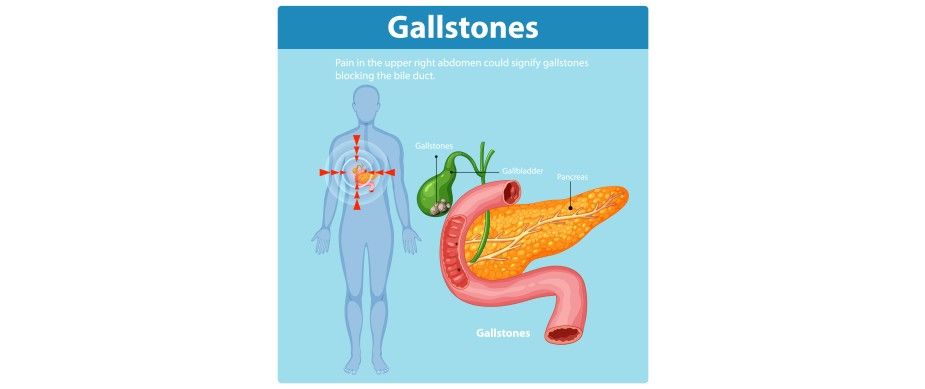
Gallbladder stones, clinically known as cholelithiasis, are a prevalent health problem affecting approximately 10-15% of the adult population in India. They are hardened deposits of digestive fluid located within the gallbladder—an organ below the liver that serves a crucial function in the digestion process as a reservoir of bile. Although most people are asymptomatic (silent stones), for some, the condition can lead to biliary colic or severe medical complications. Understanding the gallbladder stone causes and how to prevent them can make a huge difference in managing your health and avoiding unnecessary surgical interventions.
Types of Gallbladder Stones
Before understanding what causes gallstones, it is essential to identify what they are made of, as this determines the treatment path:
- Cholesterol Gallstones: The most common type, appearing yellow-green. These form when your bile contains an oversaturation of cholesterol that the bile salts cannot dissolve.
- Pigment Gallstones: These are smaller, dark brown or black stones that form when your bile contains an excess of bilirubin (a byproduct of red blood cell breakdown).
Gallbladder Stone Causes: Why Do They Form?
The primary reason for gallbladder stone development is usually a chemical imbalance within the bile. There are three main physiological pathways:
Causes of Gallbladder Stones
Pathogens
Surprisingly, infections may contribute to gallstone formation. For example, the bacterial infection caused by Escherichia coli (E. coli) may result in inflammation of the gallbladder and altered composition of bile. Similarly, parasitic infections such as Giardia may affect the bile ducts and lead to an environment suitable for stone formation. Chronic infections can further worsen the condition due to stasis of the bile, which enhances the probability of crystallisation.
Genetics
Genetics play a major role in gallstone formation. If gallstones are common in your family, you’re more likely to develop them. This is because genetics influence how your body produces bile and processes cholesterol. Inherited conditions like sickle cell anaemia or liver diseases also increase the risk by altering the way your body handles bile acids and red blood cell breakdown.
Lifestyle
Your daily habits affect your gallbladder health so much. A sedentary lifestyle slows your metabolism and bile movement, making it a breeding ground for gallstones. Obesity, which usually comes from a poor diet and a lack of exercise, raises the cholesterol in the bile, increasing the possibility of stone formation. Rapid weight loss, although seemingly a good thing, can be risky as well. Losing weight too fast forces the liver to secrete more cholesterol into the bile, potentially causing gallstones.
Nutritional Deficiencies
Your diet can directly determine gallbladder health. Poorly digested and slow bile flow from a low-fibre diet raises the risk of stone formation. Diets with high unhealthy fats and cholesterol cause an overload of the liver, which in turn contributes to the development of gallstones. However, an inadequate supply of important nutrients such as vitamin C and choline can stop the production of bile and increase the likelihood of stone formation.
Age
The liver's ability to metabolise cholesterol and bile acids declines with age, while the risk of gallstone formation increases. Hormonal changes associated with menopause in women cause an additional imbalance in the composition of bile that leads to stone formation.
Detailed Risk Factors and Pathogens
Beyond simple lifestyle choices, several clinical factors contribute to gallstones causes:
- Pathogens and Infections: Bacterial infections caused by Escherichia coli (E. coli) or Klebsiella may result in inflammation of the gallbladder (cholecystitis) and altered composition of bile. Similarly, parasitic infections such as Giardia may affect the bile ducts, creating a lithogenic (stone-forming) environment.
- Genetics: If gallstones are common in your family, you’re more likely to develop them due to genetic variations in the ABCG5/G8 cholesterol transporters.
- Lifestyle and the "4 F’s": Medical professionals often refer to the "4 F’s" when assessing risk: Female, Forty, Fat (Overweight), and Fertile.
- Obesity: Raises the cholesterol saturation in the bile.
- Rapid Weight Loss: Losing weight faster than 1.5kg per week forces the liver to secrete more cholesterol into the bile, potentially triggering acute stone formation.
Recognizing Gallstones Symptoms
Early detection of gallstone symptoms can prevent emergency surgery. Many people experience "silent stones," but when a stone blocks a duct, you may experience "Biliary Colic":
- Sudden and rapidly intensifying pain in the upper right portion of your abdomen or epigastrium.
- Pain radiating to your right shoulder or between your shoulder blades.
- Nausea or vomiting after eating high-fat meals.
- Dark urine or pale stools, along with Jaundice (yellowing of the skin and eyes), if a bile duct is blocked.
Prevention Tips for Gallbladder Stones
- Preventing gallstones largely boils down to maintaining a healthy lifestyle. Here’s how you can support your gallbladder health through small but impactful changes.
- You should start by focusing on your weight. Losing weight gradually, about 0.5 to 1 kg a week, is usually safer for bile balance. Extreme alterations in weight can cause changes in levels. Exercise also plays a key role, where physical activities such as yoga, brisk walking, or strength building can enhance bile flow and the digestive system as a whole.
- It all starts with your balanced diet. Focus on fibre-rich food items like dals, whole-grain chapatis, and fresh vegetables like spinach or beans. Lean proteins come in the form of grilled chicken, fish, or paneer. For vegetarians, there are legumes like rajma or chana. Avoid anything high in cholesterol, including fried pakoras or creamy desserts. Instead, go for roasted snacks or fruits like guava and papaya.
- Drinking water is important too. Fluids make sure there is free-flowing bile in the body, free from stagnation. And remember, don't overindulge either in caffeine or alcohol. High intake can destroy the balance between bile acids and cholesterol.
Diagnosis and Treatment
If you suspect you have gallstones, the Department of Gastroenterology at Nanavati Max Super Speciality Hospital recommends advanced diagnostics, including:
- Abdominal Ultrasound: The gold standard for visualizing stones.
- Endoscopic Ultrasound (EUS): To identify smaller stones (microlithiasis) in the bile duct.
- HIDA Scan: To check the gallbladder ejection fraction (functional health).
Treatment options range from medication to dissolve cholesterol stones (rarely used for large stones) to Laparoscopic Cholecystectomy (surgical removal), which is the most effective treatment for symptomatic cases.
Conclusion
While gallbladder stones are common, they are largely manageable through a combination of clinical vigilance and lifestyle modifications. Understanding what causes gallstones—from metabolic imbalances to genetic predispositions—is the first step toward prevention. If you are experiencing persistent abdominal discomfort or fit the high-risk "4 F's" profile, early screening is essential. At Nanavati Max Super Speciality Hospital, our gastroenterology team provides comprehensive care, from preventative counseling to advanced laparoscopic procedures, ensuring your digestive health remains a priority.
Disclaimer
The information provided in this blog is for educational purposes only and is not intended as a substitute for professional medical advice, diagnosis, or treatment. Always seek the advice of your physician or other qualified health provider with any questions regarding a medical condition.
Frequently Asked Questions
1. What are the most common causes of gallbladder stones?
Gallstones are usually caused by an imbalance in the composition of bile, with high cholesterol being a prime factor.
2. How does obesity contribute to the formation of gallstones?
Obesity increases the cholesterol level in bile, making it difficult for the body to dissolve and process. It crystallises after some time and leads to the formation of stones.
3. Can gallbladder stones be prevented with a healthy diet?
Absolutely. A diet rich in fiber, lean proteins, and monounsaturated fats can prevent gallstone formation. Increasing your intake of Vitamin C and staying hydrated are also vital gallstones prevention tips.
4. What is the role of genetics in developing gallstones?
Genetics influences your body’s bile production and cholesterol processing. If you have a family history of gallstones, you may have a higher risk of developing them.
5. How does a sedentary lifestyle affect gallstone risk?
A sedentary lifestyle causes slowed movement of bile and an increased risk of cholesterol crystallisation. Exercise maintains a smooth flow of bile, which reduces the chance of stone formation.
6. What is the link between rapid weight loss and gallstones?
Rapid weight loss forces the liver to secrete extra cholesterol into bile, disrupting its balance and increasing the risk of gallstones.
7. Can gallstones be passed naturally without treatment?
Small gallstones can pass without treatment, but the bigger stones will often need to be treated medically. Consult a doctor if you experience symptoms.
8. What are the complications of untreated gallbladder stones?
If untreated, gallstones may cause inflammation or bile duct obstruction or even pancreatitis. This is a dangerous situation and usually calls for immediate care.
9. What are the treatment options for gallbladder stones?
Treatment depends on the level of symptom severity. There are medicines to break down the stones, endoscopic procedures, or removal surgery to eliminate the gallbladder.
10. Who should be treated for gallbladder stones?
Anyone experiencing symptoms like persistent pain, nausea, or jaundice should seek treatment. Early intervention can prevent complications.
References
1. Gaby, A. R. (2009). Nutritional approaches to prevention and treatment of gallstones. Alternative Medicine Review, 14(3), 258-267.
https://pubmed.ncbi.nlm.nih.gov/19803550/

Written and Verified by:

Related Blogs

Medical Expert Team
Oct 06 , 2026 | 4 min read

Blogs by Doctor


Most read Blogs



Related Blogs
Medical Expert Team
Oct 06 , 2026 | 4 min read
Blogs by Doctor
Most read Blogs