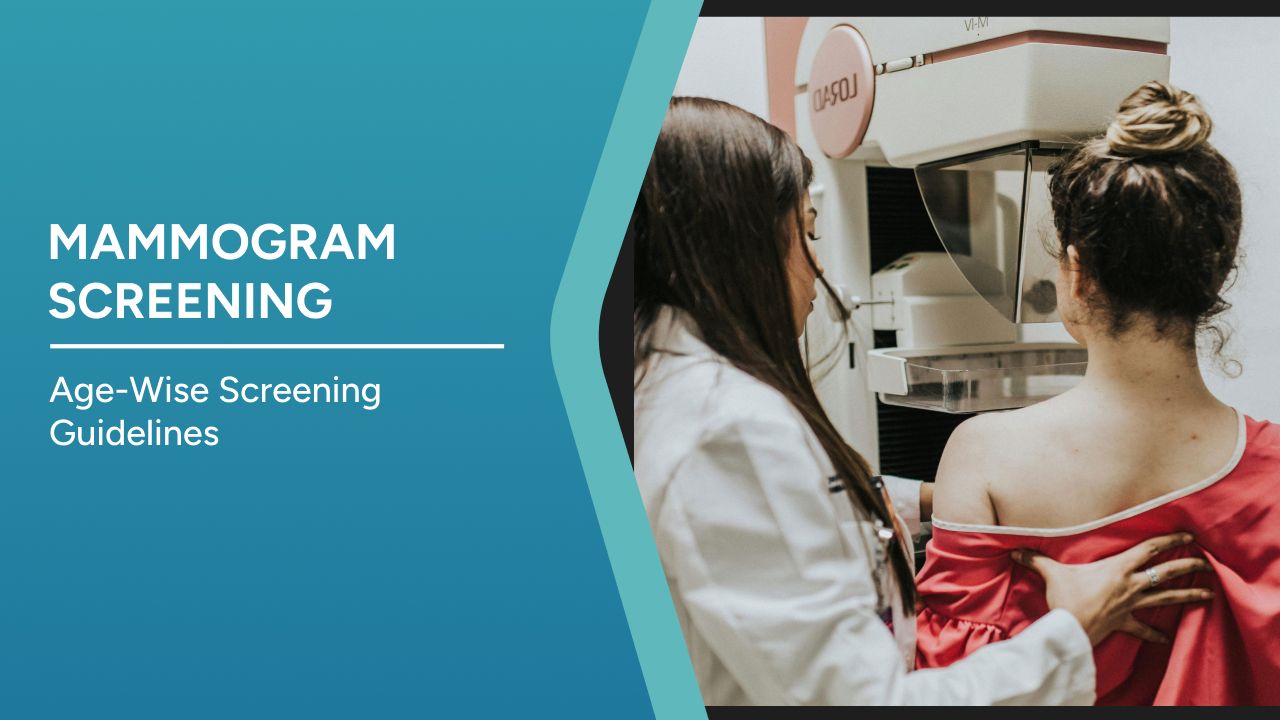
The Interventional Radiology Department offers a single window for all minimally invasive procedures requiring image guidance. The Radiology Department offers all types of vascular and non-vascular interventions and state-of-the-art digital mammography, stereotactic breast biopsy services, and high-resolution ultrasound & colour doppler services for breast, infertility and vascular disorders. Nanavati Max's Interventional Radiology Department is one amongst a handful of centres in the country to provide Advanced Endovascular procedures.
The 32-channel wide bore, short tunnel, whole body 3 Tesla MRI Scanner with MRgFUS for treatment of fibroids, bone metastasis and severe facet arthropathy, 3D and 4D Ultrasound, Colour Doppler, Digital Mammography and Whole Body Densitometry with pediatric software is the only such machine in India.
The Radiology Department is equipped with a 64-slice cardiac-capable PET-CT Scanner (Biograph mCT-Molecular CT). All imaging systems are linked through Picture Archiving and Communication System (PACS) ensuring excellent viewing quality for accurate reporting. A complete cardiac CT scan can be performed in less than five seconds. The MRI reduces scan time by half while providing far greater accuracy.
Frequently Asked Questions
1. What is Radiology Done for?
Radiology is a speciality that uses imaging techniques like X-rays, CT scans, MRI scans, and ultrasound to diagnose and monitor diseases and conditions within the body. It plays an important role in healthcare by providing detailed images of organs, tissues, bones, and blood vessels, enabling healthcare providers to detect abnormalities, assess the extent of injuries or diseases, guide treatment decisions, and monitor the effectiveness of interventions.
2. What Should You Do to Prepare for Radiology Procedures?
Before undergoing radiology procedures, it is important to follow certain guidelines:
- Avoid wearing clothing with metal components, jewelry, or accessories.
- Inform the radiology staff about known allergies, previous reactions to contrast agents, or existing health conditions.
3. Can I Drink Water Before Radiology?
In most cases, drinking water is generally allowed before radiology procedures. However, instructions may vary depending on the type of examination being performed. It is important to follow the guidelines provided by the doctor or the radiology staff.
4. How Do You Prepare a Patient for Radiology?
Preparing a patient for radiology typically involves several steps. The process may include:
- Obtaining relevant medical history
- Ensuring patient comfort and safety during procedures
- Explaining the examination and addressing any concerns
- Providing specific instructions such as fasting or medication restrictions if necessary