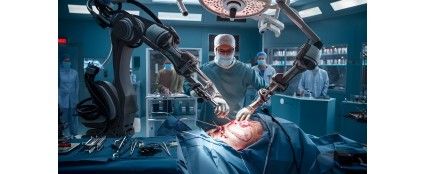
Nanavati Max Super Speciality Hospital's Centre for Robotic Surgery in Vile Parle, Mumbai, brings robotic-assisted surgery to patients across oncology, general and bariatric surgery, and urology. The Centre uses the Da Vinci Xi Surgical System, which provides magnified three-dimensional vision and wristed instruments that allow surgeons to perform precise movements through small incisions.
Robotic surgery may offer benefits such as less blood loss, smaller scars, shorter hospital stays and faster recovery compared with open surgery, depending on the procedure and the patient's condition. The robotic surgery programme is supported by multidisciplinary teams caring for adult and paediatric patients.
Why Patients Choose Robotic Surgery at Nanavati Max
Surgeons Across Multiple Specialities
The Centre for Robotic Surgery brings together specialities from surgical oncology, general and bariatric surgery, urology and gynaecology, with other specialities supported through the hospital's wider multidisciplinary teams. This allows robotic-assisted surgery to be considered as part of speciality-specific treatment planning rather than as a standalone technology.
The Da Vinci Xi Surgical System
The Robotic Surgery Hospital in Mumbai uses the Da Vinci Xi Surgical System for its robotic programmes. The system provides a magnified three-dimensional view of the surgical field and wristed instruments that can assist surgeons when operating in confined or difficult-to-reach areas.
A Second Opinion Before You Decide
If you have already received a diagnosis elsewhere, our specialists can review your existing reports and discuss whether robotic-assisted surgery is appropriate for your condition before a treatment plan is finalised.
What Is Robotic Surgery?
Robotic surgery is a minimally invasive approach that allows surgeons to perform complex procedures through small incisions. The surgeon sits at a console and controls the robotic instruments inside the patient's body while viewing the operating area through a magnified three-dimensional camera.
The robot does not operate independently. Every movement of the surgical instruments is controlled by the surgeon in real time. The technology is intended to provide enhanced visualisation, precision, dexterity and control during suitable procedures.
Robotic Surgery Programmes We Offer
The Centre's robotic programmes cover several surgical specialities, with the largest programme focused on cancer surgery.
Nanavati Max Cancer Centre offers robotic surgical programmes across six major oncology areas:
Head and Neck Cancer: Robotic procedures may be considered for selected head and neck cancers, including cancers of the oropharynx, larynx and salivary glands.
Thorax and Lung Cancer: Robotic-assisted thoracic surgery may be used for procedures such as lobectomy, pneumonectomy, lung cancer resection, thymectomy and oesophagectomy, depending on the patient's condition.
Thyroid Cancer: Selected complex thyroid cancer procedures can be performed using the robotic platform.
Gynaecological Cancer: Robotic procedures include selected myomectomies, hysterectomies and lymphadenectomies for conditions including endometrial, ovarian and cervical cancers.
Gastrointestinal Cancer: The programme includes robotic approaches for selected gastrointestinal cancer procedures, including radical pancreatic surgery, colectomy, and gastric and liver resections.
Urological Cancer: Robotic surgery is available for selected prostate, kidney and urinary bladder cancers.
Each cancer programme has its own condition- and treatment-specific information for patients seeking more detail.
Robotic General and Bariatric Surgery
The General Surgery team performs robotic-assisted procedures for selected general surgical conditions, including hernia repair.
Robotic-assisted bariatric surgery is also available. Procedures performed using laparoscopic or robotic-assisted approaches include sleeve gastrectomy and gastric bypass procedures, with the choice of procedure based on the patient's clinical assessment and treatment needs.
Robotic Urology Beyond Cancer
Beyond urological cancers, robotic urology surgery is also used for selected kidney disorders, including kidney tumours and kidney stones. Robotic assistance allows surgeons to perform controlled, precise movements around delicate structures. The suitability of robotic surgery depends on the type, location and complexity of the condition and the patient's individual clinical assessment.
Robotic Gynaecological Surgery
Robotic surgery is also used in selected gynaecological procedures. The hospital's Gynaecology & Obstetrics department uses the Da Vinci Xi Robotic System for minimally invasive procedures, while its gynaecological oncology programme offers robotic surgery for selected gynaecological cancers.
Benefits of Robotic-Assisted Surgery
Compared with open surgery, robotic-assisted procedures may offer:
- Smaller incisions and less visible scarring
- Less blood loss during surgery
- Less post-operative pain
- A shorter hospital stay
- Faster return to normal activities
- Enhanced three-dimensional visualisation and precision when operating in confined spaces
The actual benefits and recovery experience vary according to the procedure, the patient's health and the complexity of the surgery.
Technology: The Da Vinci Xi Surgical System
The robotic programmes at Nanavati Max Hospital use the Da Vinci Xi Surgical System. It provides surgeons with a magnified three-dimensional view and wristed instruments designed to facilitate controlled movements through small incisions. These features can be particularly useful when working around delicate structures or in confined anatomical spaces.
Support During and After Your Surgery
Robotic surgery involves more than the surgical procedure itself. Your care is coordinated across the surgical and anaesthesia teams, with post-operative nursing and hospital support throughout recovery.
The length of hospital stay and time needed to resume normal activities vary considerably between procedures. Recovery also depends on the patient's overall health and whether additional treatment is required. Your surgical team will explain the expected recovery pathway for your specific procedure before surgery.
Cost of Robotic Surgery
The cost of robotic surgery varies according to the procedure and the individual treatment plan. Factors that may affect the overall cost include:
- Type and complexity of the procedure: More extensive surgery or reconstruction may require additional operative and hospital resources.
- Length of hospital stay: The duration of admission varies by procedure and recovery.
- Pre-surgical investigations and post-operative care: The required tests, medicines and follow-up may differ between patients.
- Room category and additional procedures: These can also influence the overall treatment cost.
A personalised estimate can be discussed with the treating team after the procedure and treatment plan have been assessed.
Planning Your Robotic Surgery
Get a second opinion: If you have already been diagnosed or advised to undergo surgery, our specialists can review your reports and discuss whether a robotic approach is suitable for your condition.
What to bring to your first appointment: Carry your referral letter, if available, previous imaging and pathology reports, a list of current medicines, and relevant insurance or identification documents.
How to book: You can use the hospital's doctor directory to identify a specialist based on your condition and speciality and book an appointment.
Frequently Asked Questions
1. What does a dedicated robotic surgery centre offer that a general surgical department doesn't?
A dedicated robotic surgery centre brings together surgeons trained in robotic techniques with access to the robotic platform and the wider hospital teams required for surgical care. However, robotic surgery remains a surgical approach rather than a treatment in itself. The decision to use it depends on the procedure, the patient's condition and the surgeon's assessment.
2. Can I get a second opinion if I was diagnosed elsewhere?
Yes. Patients can seek a second opinion from the relevant specialists. Existing imaging, pathology reports, and other medical records can be reviewed to assess the diagnosis and discuss whether robotic surgery is an appropriate treatment option.
3. How long does recovery from robotic surgery typically take?
There is no single recovery period for robotic surgery. Recovery depends on the type and complexity of the procedure, the patient's overall health, and whether additional treatment is required. The treating surgeon can provide a more specific recovery plan based on the procedure being considered.
4. Do you treat patients travelling from outside Mumbai?
Nanavati Max has services for international patients and patients travelling from outside Mumbai. The appropriate arrangements can be discussed with the hospital's patient support team based on the patient's treatment requirements.